← News
November 21, 2024455 views
Ganoderma, a Serious Future Threat to Indonesian Oil Palm
Although in recent times it has consistently contributed a substantial amount of export revenue, more than IDR 500 trillion annually, the Indonesian palm oil industry faces somewhat daunting challenges, namely the possibility of its extinction. This is not due to EUDR, black campaigns, or land depletion, but because of a highly lethal fungal attack known as ganoderma.
This was one of the topics discussed at a seminar organized by Rumah Sawit Indonesia on November 18, 2024, in Jakarta, with the overarching theme: Achieving Food, Energy, and Economic Sovereignty Through Oil Palm Plantations Towards a Golden Indonesia 2045. The seminar, which initially aimed to establish palm oil as a long-term flagship commodity for Indonesia (unlike sugarcane and cloves), is predicted to face quite serious challenges in its current development.
According to one palm oil economics expert, Tungkot Sipayung, ganoderma is the most frightening specter for the palm oil world. The fungus that attacks the base of the tree has spread in several places and is difficult to control, and it is suspected to be the culprit behind the decline in national palm oil production. Even according to one entrepreneur, a third of his land "cannot be saved." He also heard that in some places, ganoderma has already wiped out half of the land.
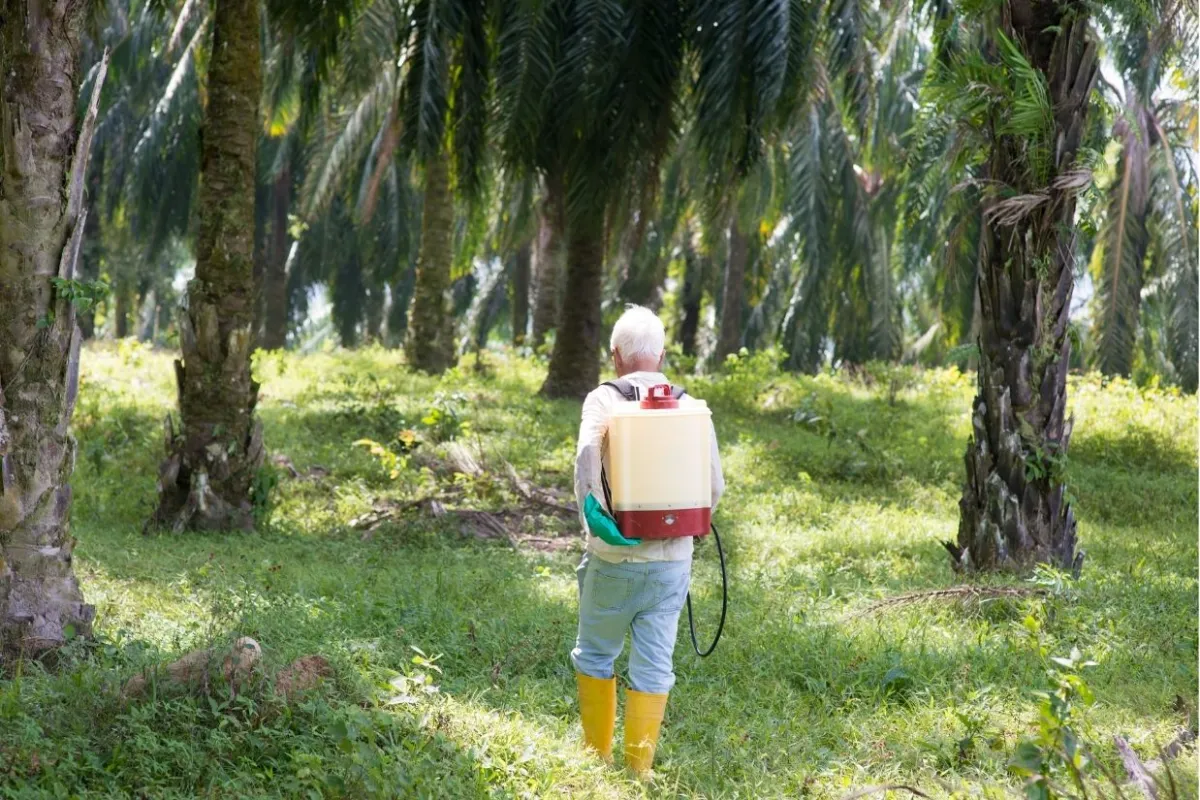
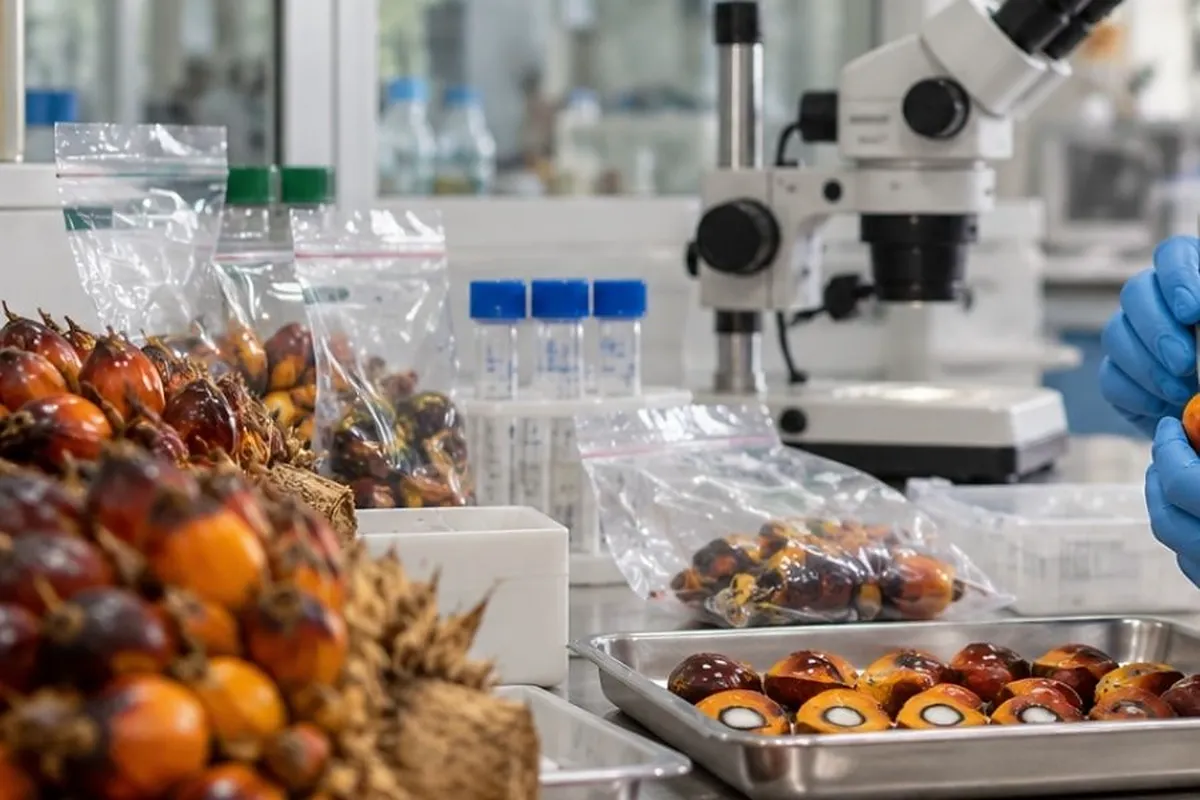
According to Tungkot, ganoderma indeed poses a very serious threat because, to date, there is no effective cure to eradicate it. If we are not vigilant, by 2050 it could wipe out a portion of our palm oil. Even among the seminar participants, there were whispers that ganoderma could put the future of our palm oil on the brink if no effective remedy is found. According to the Smart Agribusiness and Food website (09/19/2024), ganoderma is a dangerous fungus that can cause serious damage to oil palm trees and reduce harvest volumes. If not addressed, this fungus can have a significant impact on plantation productivity. The fungus infects oil palm trees or causes diseases known as basal stem rot and upper stem rot, which attack the roots and then spread upwards, disrupting the tree's ability to transport water and nutrients, eventually killing the tree. There are three types of Ganoderma that can infect oil palm: G. boninense, G. miniatocinctum, and G. zonatum. Among them, G. boninense is the most aggressive and commonly found, especially in Southeast Asia. This fungus thrives in warm and humid conditions, which are common in oil palm plantations, making it a persistent problem. Ganoderma can adversely affect palm oil production, especially if detected late. Infected trees produce smaller and fewer fruit bunches, leading to a significant decline in harvest yields. If the infection is mild, yields can drop by up to 38%. With moderate infection, yields drop by up to 80%. In severe infections, yields drop by up to 97%. According to Henny Hendarjanti, an agricultural protection practitioner (Hortus magazine, 09/10/24), in efforts to control basal stem rot disease, an integrated control approach is needed. It begins with a ganoderma census, identifying symptoms and signs of ganoderma in both producing and non-producing plants, as well as early detection of ganoderma. Essentially, this requires isolation, preventive measures, and even the injection of treatments such as chemical and biological fungicides. In the future, more intensive research collaboration is urgently needed to find an effective ganoderma management formula. Without this, the easily spreadable fungus will endanger the future of the palm oil industry everywhere. The Indonesian economy is at stake.
If we are not vigilant, by 2050 it could wipe out a portion of our palm oil. Even among the seminar participants, there were whispers that ganoderma could put the future of our palm oil on the brink if no effective remedy is found.