When Climate and Energy Drive Palm Oil Prices
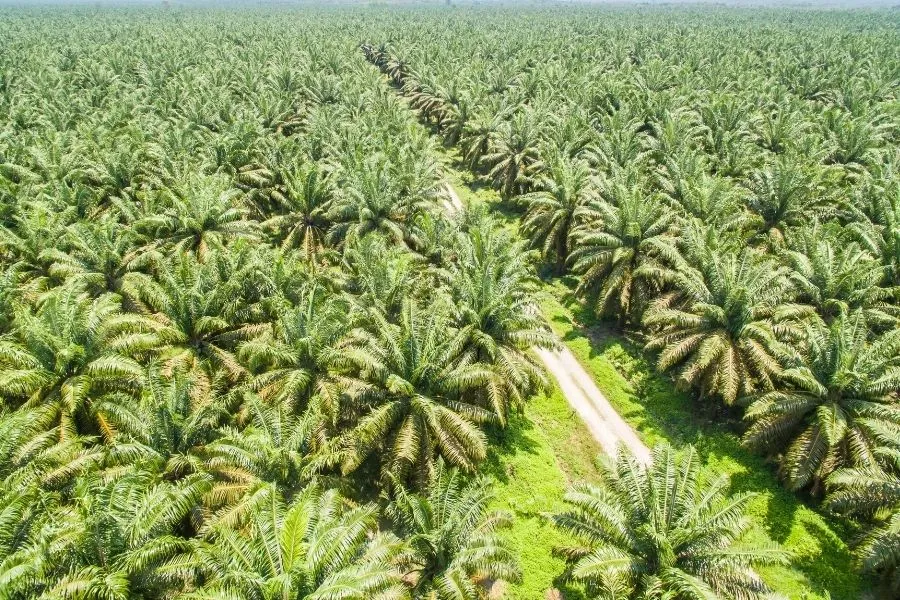
Palm oil prices are rising again and have briefly reached their highest level in about 20 months. This increase cannot be attributed to a single factor. In the commodities market, palm oil prices move in response to multiple signals simultaneously, ranging from weather, production prospects, energy demand, to biodiesel policies. Recently, two factors that have garnered significant attention are climate risks and the push for biofuel demand.
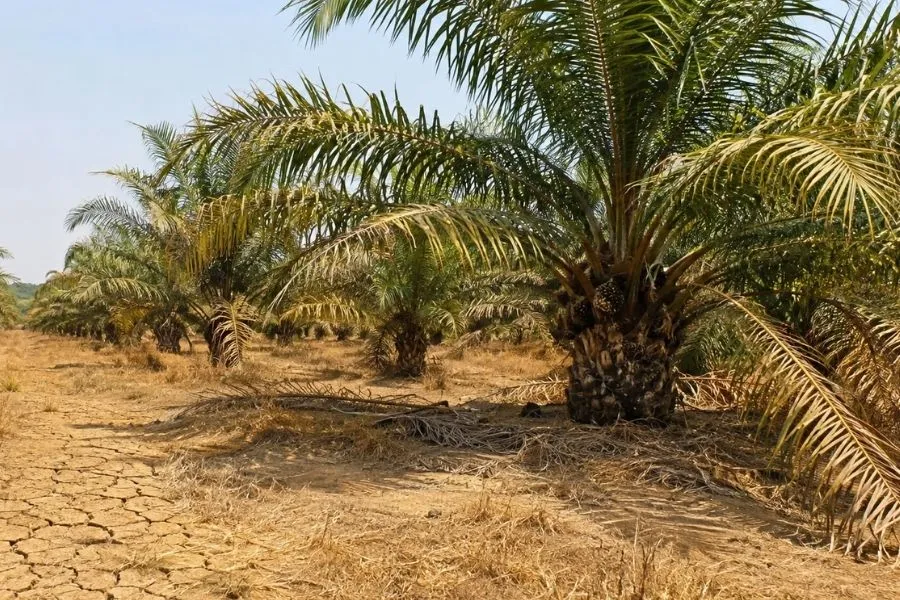
From a climate perspective, El Niño is one of the factors influencing market sentiment. This phenomenon can cause some palm oil-producing regions to experience drier and hotter conditions than usual. For oil palm, water deficiency not only affects the current condition of the plants but can also impact flower formation, fresh fruit bunches, and production in subsequent periods. Reuters cites SD Guthrie, one of Malaysia's major palm plantation companies, which estimates that the impact of El Niño on palm oil production is not immediately felt but may emerge with a delay of about 12–16 months.
In addition to El Niño, other climate dynamics such as the Indian Ocean Dipole or IOD also need attention. IOD is a phenomenon of changing sea surface temperature differences between the western and eastern parts of the Indian Ocean, particularly around the waters south of Indonesia. In a positive IOD phase, the waters around Indonesia tend to be cooler compared to the western Indian Ocean, which can reduce cloud formation and rainfall in parts of Indonesia. Conversely, a negative IOD tends to increase the likelihood of cloud formation and rainfall in Indonesia.
A study in Scientific Reports explains that IOD is one of the important sources of interannual rainfall variability, with its positive phase associated with negative rainfall anomalies during peak periods. For palm plantations, changes in rainfall are crucial because production is heavily influenced by water availability and plantation environmental conditions.
Supply-side pressures are also beginning to be reflected in market data. Free Malaysia Today/Bloomberg noted that palm oil prices on Bursa Malaysia rose to RM4,927 per ton on Thursday, the highest intraday level since December 2024. The same report mentions that the United States Department of Agriculture forecasts global palm oil reserves will fall to their lowest level in nine years in the 2026/2027 season. This data indicates that the market is not only responding to current production conditions but also anticipating future supply risks when dry weather and biofuel demand move in tandem.
However, palm oil prices are not only influenced by weather factors. On the demand side, energy policies also provide a boost. The B50 policy leads the market to anticipate a potential increase in domestic palm oil absorption. If more palm oil is used for biodiesel, the supply available for export could become more limited. Free Malaysia Today/Bloomberg noted that palm oil prices rose to their highest level since 2024 due to increased biofuel demand and production risks due to the strengthening El Niño. The report also mentions that global palm oil reserves are expected to fall to their lowest level in nine years in the 2026/2027 season.
This situation shows that palm oil prices are caught between two major pressures. On one hand, climate risks can pressure production prospects. On the other hand, energy policies like B50 can increase domestic demand for CPO. When supply concerns meet strong demand, palm oil prices tend to receive an upward push.
For Indonesia, rising palm oil prices can be both an opportunity and a challenge. Higher prices can support export value and fresh fruit bunch prices, but they also need to be managed to avoid pressuring the downstream industry, food needs, domestic B50 Biofuel availability, and biodiesel financing. Therefore, understanding palm oil prices requires more than just observing daily market movements. It is necessary to consider how climate, energy, stock, export, and domestic policies interact with each other.