Area Exists, Productivity Lags
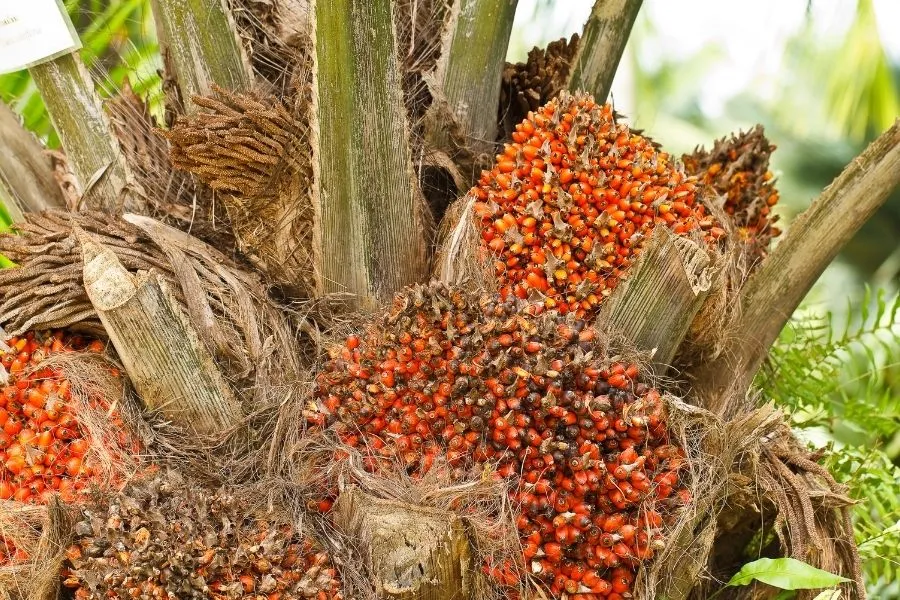
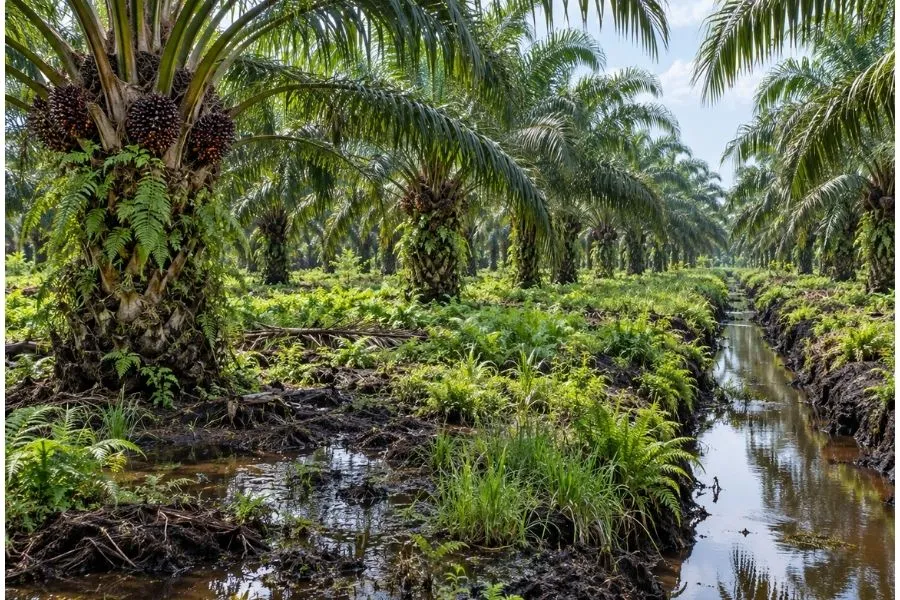
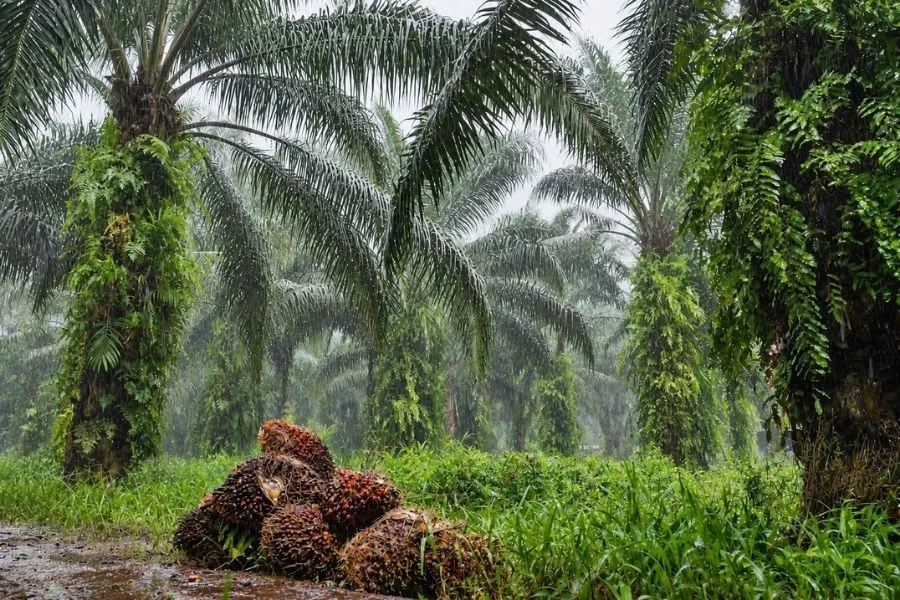
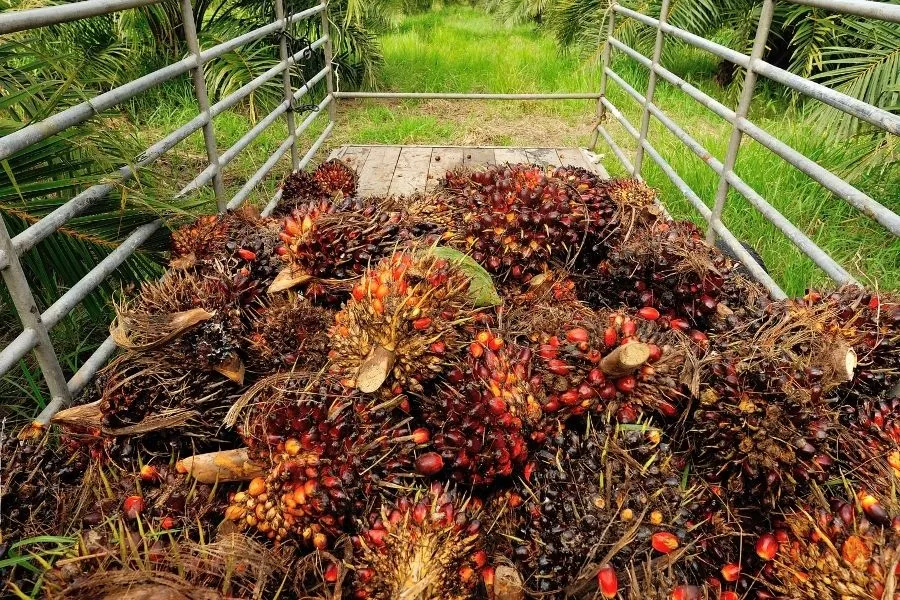
Bulungan Regency in North Kalimantan has significant potential in the development of the plantation sector, including oil palm. However, the large plantation area is not fully reflected in the level of productivity achieved. This condition indicates that the challenges of palm oil development are not always related to land availability, but rather how to ensure that each hectare of plantation can produce optimally.
The Bulungan Regency Government stated that the productivity of oil palm and cocoa in the region is still relatively low. This condition is a concern because future increases in plantation production cannot rely solely on the area size but also require improvements in plant quality, the application of better cultivation practices, and the enhancement of the capacity of plantation business actors.
The issue of productivity is not only occurring in one area. In the palm oil industry, sustainable production increases are increasingly determined by the ability to enhance yields from existing plantations. This is important because future production additions do not only depend on the area size but also on how optimally each hectare of plantation can produce.
The productivity of oil palm plantations is influenced by various factors, ranging from plant age, quality of planting materials, fertilization, plantation management, to access to knowledge and assistance. In smallholder plantations, these challenges are often more complex because some smallholders still face limitations in access to financing, production facilities, and technical information.
One factor often associated with low productivity is the presence of old and unproductive plants. Oil palm plants that have passed their productive period can experience a decline in production if not immediately rejuvenated. Therefore, the Smallholder Oil Palm Replanting (PSR) Program is an important instrument to increase the productivity of smallholder plantations by replacing old plants with superior seedlings and improving plantation management.
However, productivity improvement does not stop at rejuvenation activities. New plantations resulting from PSR also need to be supported with good management to reach their production potential. Technical assistance, access to quality inputs, smallholder institutions, and good relationships with the industry are important factors in ensuring that rejuvenation results truly provide productivity increases.
From the regional development perspective, the condition in Bulungan shows that having a large plantation area does not necessarily result in optimal production. The size of the plantation is an important asset, but the greater economic benefits will be determined by the ability to increase yields from each hectare already planted.
Therefore, the direction of future palm oil development needs to increasingly emphasize production increases through the productivity and efficiency of existing plantations. Each hectare that can produce more will have a greater impact on smallholder income, regional revenue, and the overall competitiveness of the palm oil industry.
The size of the plantation is indeed a strength for palm oil-producing regions. However, the measure of success in palm oil development is not only determined by how large the plantation is but by how much production and economic value can be generated from each hectare.