Detecting Oil Palm Nutrient Deficiencies with AI

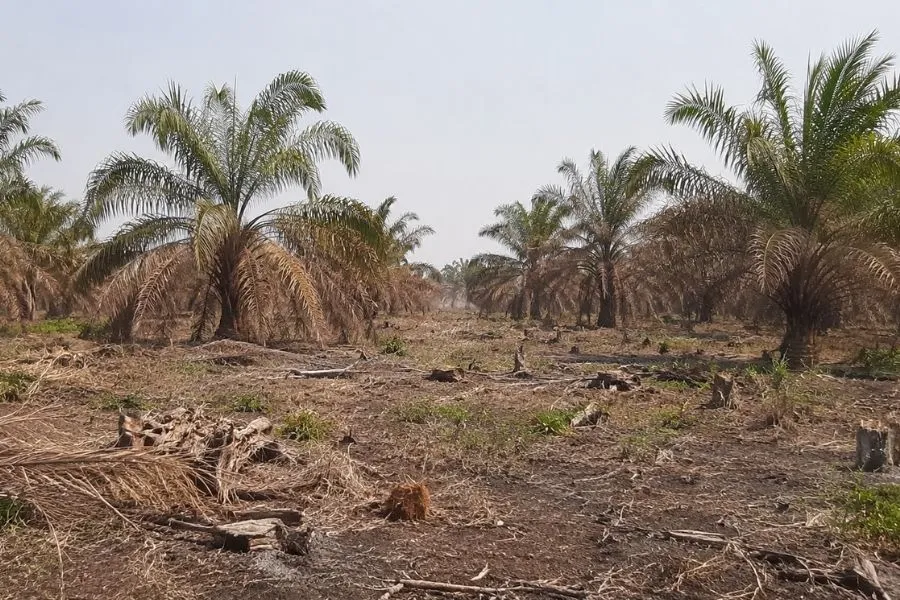
Observing the condition of oil palm plants across vast plantation areas is not a simple task. In one block, the plants may grow normally. In another block, the leaves may start to show color changes, growth may slow down, or the canopy may appear less dense. The problem is that symptoms of nutrient deficiency are not always easy to recognize from the start. By the time changes become clearly visible, the condition of the plants may already be affecting productivity.
So far, direct inspection remains the primary method to assess plantation conditions. Personnel go to the field, observe the plants, take samples, and then determine the necessary actions. This method is important because it provides a real picture of the plant's condition. However, in large-scale plantations, inspections require considerable time, effort, and cost.
The development of artificial intelligence is beginning to open up new possibilities. IPB University, together with PT Dabeeo Artificial Intelligence Indonesia, is developing a system to detect nutrient deficiencies in oil palm plants. This technology combines AI algorithms with high-resolution satellite imagery to monitor plant conditions over large areas.
Through satellite imagery collected periodically, the system can read pattern changes in the plants. Plantation sections showing different conditions can be marked for further inspection. In this way, personnel do not have to inspect the entire area at the same time but can first visit blocks that need attention.
The AI in this system is not a replacement for field personnel. This technology functions as an initial filter. The analysis results still need to be verified through direct inspection, agronomic assessment, and data on soil conditions and fertilization history. Decisions regarding actions to be taken remain in the hands of plantation managers.
The technology developed by IPB University and Dabeeo will also complement PreciPalm, an oil palm fertilization recommendation system previously developed by IPB University. The addition of satellite imagery is expected to make monitoring more extensive and recommendations more accurate. In this collaboration, Dabeeo will provide research funding support and access to satellite data.
For oil palm plantations, the ability to recognize nutrient deficiencies earlier can help organize fertilization more precisely. Fertilizer needs in each part of the plantation are not always the same. Differences can be influenced by plant age, soil type, rainfall, drainage conditions, and previous management history.
More detailed information allows fertilizers to be applied according to the needs of each block, rather than based on the same treatment for the entire area. Besides potentially increasing the accuracy of fertilization, this approach can also help reduce the use of unnecessary inputs.
The collaboration between IPB University and Dabeeo also highlights the technological relationship between Indonesia and South Korea, which is beginning to enter the plantation sector. Previously, the Indonesian Artificial Intelligence Association and the Korea AI·Software Industry Association signed a memorandum of understanding in Seoul on April 1, 2026. The agreement includes knowledge exchange, technology development, and exploration of AI and software industry opportunities.
Although promising, the journey of this technology is still long. The system needs to be tested in various regions with different soil characteristics, climates, plant ages, and management patterns. Technology that works well in one plantation does not necessarily produce the same level of accuracy in another location. Access for smallholder plantations also needs to be considered. Many smallholders still face limitations in plantation data, technical assistance, and technology usage costs. Without an affordable and easy-to-use scheme, the benefits of AI risk being felt only by large-scale plantations.
Ultimately, the value of this technology does not lie in how sophisticated the algorithms used are. Its benefits are only felt when the information produced helps personnel find problems faster, organize fertilization more accurately, and make decisions that align with plantation conditions.