Why the Impact of Drought on Oil Palm Is Not Immediately Felt?
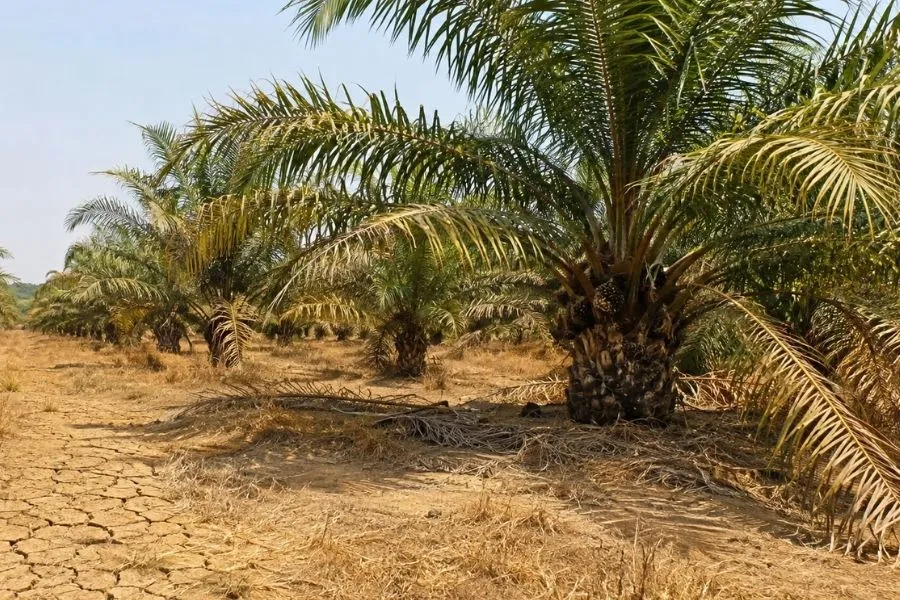
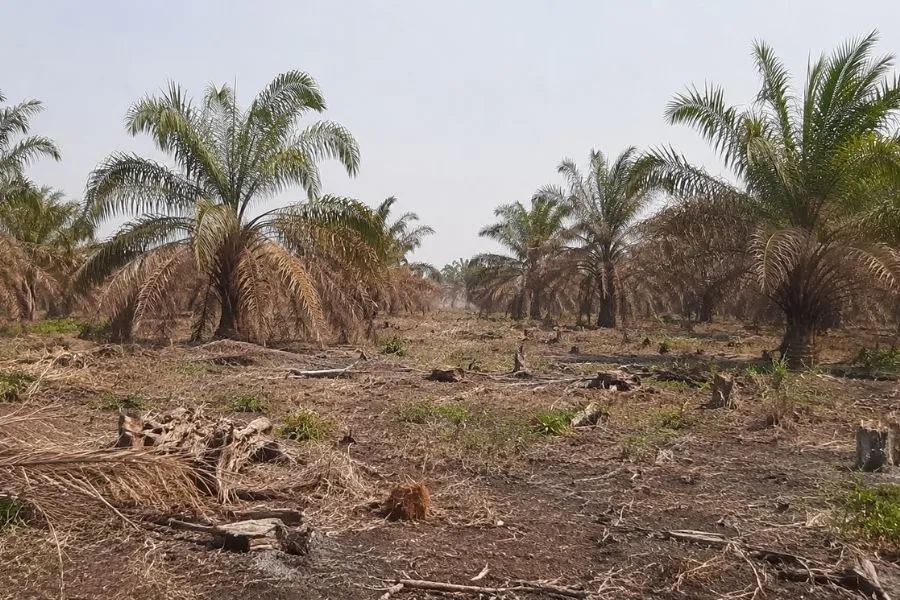
During a prolonged drought, the most easily visible impact in plantations is the increasingly dry soil and reduced water availability. However, in oil palm, the impact of drought does not always immediately manifest as a decline in production. Some of its effects work through the plant's physiological and reproductive processes, only becoming apparent several months or even longer after the dry period has passed.
Drought should not be viewed merely from the perspective of low rainfall. Dr. Idung Risdiyanto, S.Si., M.Sc., Lecturer at the Department of Geophysics and Meteorology FMIPA IPB, in an interview with SawitIDN emphasized that problems begin to arise when the water available in the soil can no longer meet the plant's needs. It is under these conditions that oil palm begins to experience water stress.
Water stress occurs when the plant's water needs exceed the water that can be absorbed by the roots. Yet, water plays a crucial role in photosynthesis, nutrient transport, and the plant's vegetative and reproductive growth. When water is limited, oil palm will reduce water loss, one way being by narrowing the stomatal openings on the leaves. This response helps the plant conserve water but simultaneously reduces the intake of carbon dioxide needed for photosynthesis. If this persists, the plant's ability to generate energy for growth also declines.
The problem is, this disruption may not immediately be visible in production. Oil palm has a long reproductive cycle. The bunches harvested today are the result of the flower and fruit formation process that began long ago. Therefore, when the plant starts experiencing water stress, bunches already in the advanced phase can still develop and be harvested, making production during drought appear relatively normal.
The impact may instead emerge during the ongoing flowering phase. In the Sawit Talk interview, Dr. Idung also highlighted that water deficiency can affect the flowering process. Physiologically, water conditions can influence flower initiation and development, the balance of male and female flowers, and the development of inflorescences, the arrangement or cluster of flowers on a single structure/stem. Several studies show that drought stress at certain phases can reduce the proportion of female flowers and increase the tendency for male flower formation. This disruption can then affect bunch formation in the subsequent period.
Simply put, the sequence can proceed as follows: prolonged drought → decreased soil water availability → water stress → disrupted photosynthesis and growth → affected flowering and bunch development → production impact appears later.
This explains why the end of a drought does not automatically mean the end of risk for the plants. Rain may return, but the previously disrupted reproductive process continues into the next phase. Its impact may only be reflected in production several months after weather conditions improve.
However, not all plantations face the same risk. The level of impact is influenced by the duration of the drought, soil characteristics, soil water retention capacity, plant age, root conditions, and plantation management.
Therefore, drought management should ideally be implemented before the plants experience severe stress. Maintaining soil moisture, preserving ground cover and organic matter, and monitoring rainfall conditions can help reduce water stress. For smallholders, understanding this delayed effect is important because a decline in FFB after a drought may be a trace of stress that occurred long before.