Why Palm Oil Prices Can Surpass Soybean Oil?
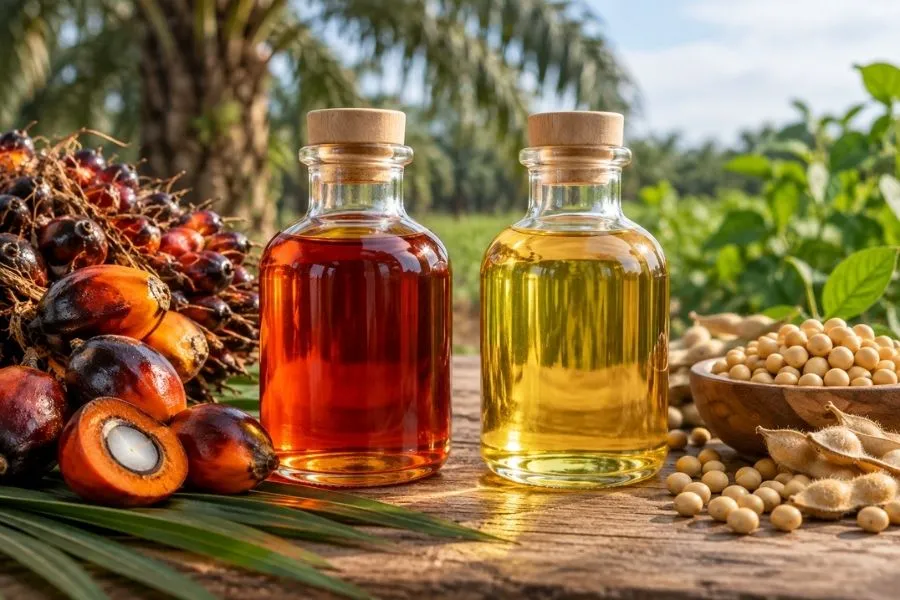
Until now, soybean oil prices have remained above CPO. However, this position may change in 2027. This scenario is gaining attention because GAPKI predicts that the combination of El Niño risks and increasing biodiesel demand could push palm oil prices above soybean oil. So, what could cause the two to switch positions?
Palm oil and soybean oil are both used for food and industry, so changes in their supply and demand also affect prices. In August 2026, FAO noted that palm oil prices increased amid strong global demand and concerns about the impact of El Niño on Southeast Asian production. Soybean oil prices also rose, influenced by export demand and production conditions in producing countries.
Interestingly, the price gap between the two narrowed. Data from CME Group showed the bean oil–palm oil spread fell from around USD 354 per ton at the end of June to USD 327 per ton at the end of August 2026. During the same period, Malaysia CPO futures prices increased from around USD 1,117 to USD 1,228 per ton. Soybean oil remains more expensive, but CPO is moving closer to its price.
This change is partly related to the increased domestic demand for CPO. Since B50 was implemented in July 2026, more CPO has been allocated for biodiesel. The Ministry of Energy and Mineral Resources (ESDM) estimates that the program requires about 15.2–16.3 million tons of CPO. As domestic consumption increases, the supply available for the export market becomes a concern. If production growth cannot keep up with this additional demand, the supply space in the global market may become increasingly limited.
In 2027, this pressure could increase if palm oil production is disrupted by weather. GAPKI predicts that Indonesia's palm oil production will decrease by 3.7% to 56.6 million tons, while CPO demand for biodiesel will rise by 18.5% to 17.4 million tons. This condition is expected to reduce Indonesia's exports by 14.9% to 26.5 million tons. If this projection occurs, the amount of CPO available for the international market will become increasingly limited.
However, CPO prices do not move alone. Soybean oil is also influenced by production, weather, soybean processing, food demand, and energy use. Therefore, whether CPO can truly surpass soybean oil will depend on the extent of supply and demand changes in both markets, not just on developments in Indonesian palm oil.
However, the 2027 palm oil production projections still show varying possibilities. In April 2026, USDA projected Indonesia's palm oil production for 2026/27 to reach 48 million tons, up about 3% from 46.7 million tons the previous year, partly due to more plants reaching productive age. Thus, the 2027 price developments will still be determined by the interaction between production, domestic consumption, exports, weather, and the global vegetable oil market.
Ultimately, the interesting aspect is not just whether CPO will become more expensive than soybean oil. These price changes reflect how domestic energy needs, production conditions, and global trade are beginning to converge in one market. If palm oil supply pressure continues while biodiesel demand increases, the position of CPO relative to soybean oil may change in 2027.