← News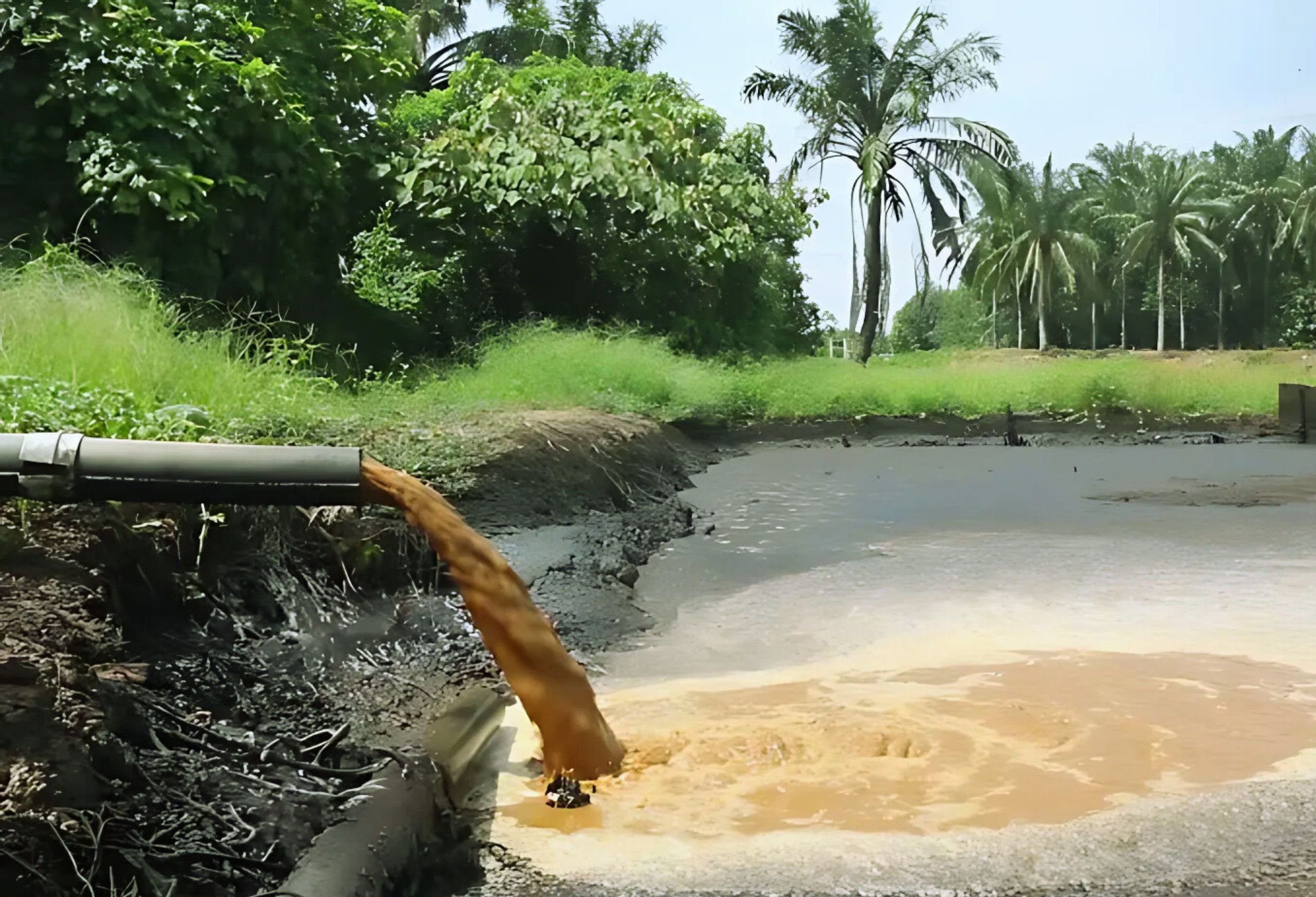
February 7, 2025216 views
Optimization of POME Utilization Still Faces Obstacles
Palm Oil Mill Effluent (POME), or Liquid Waste from Palm Oil Mills (LCPKS), has significant potential both economically and environmentally. POME is claimed to be usable as an organic liquid fertilizer supplementing chemical fertilizers, potentially increasing fertilization efficiency and creating cost savings in palm oil plantations of over IDR 50 billion per year per mill.
Moreover, this liquid waste can also be converted into biogas to power electricity generators if methane gas can be captured using lagoon covers. Conversely, if biogas is allowed to escape into the atmosphere, it can contribute to very high greenhouse gas emissions. Unfortunately, the high cost of methane capture means not all mills implement it. On the other hand, the market for biomethane is not yet widely open.
Meanwhile, the government has long regulated liquid waste management. As stipulated in the Ministry of Environment Decree No. 28/2003 on Technical Guidelines for the Assessment of Wastewater Utilization from the Palm Oil Industry on Land in Oil Palm Plantations and Ministry of Environment Decree No. 29/2003 on Guidelines for Requirements and Procedures for Licensing the Utilization of Wastewater from the Palm Oil Industry on Land in Oil Palm Plantations. These regulations are considered adequate for handling industries related to LCPKS.
However, it is regrettable that these two regulations were subsequently revoked by the Ministry of Environment and Forestry Regulation No. 5 of 2021 concerning Procedures for Issuing Technical Approvals and Operational Feasibility Letters in the Field of Environmental Pollution Control. As a result, there are currently no longer any standard quality benchmarks for the utilization of wastewater in the palm oil industry. Some bioenergy experts even interpret Regulation No. 5 of 2021 as prohibiting the use of LCPKS for land application.
The regulation is also considered by industry players to cause unclear procedures for the utilization of wastewater from the palm oil industry. It is also said to cause differences in perception between business actors, the Environmental Agency, and the Ministry of Environment and Forestry (KLHK) regarding the quality standards for the utilization of wastewater from the palm oil industry.
According to IPB academician Prof. Erliza Hambali during a public hearing themed "Improving Policy Regulation and Optimal and Sustainable Management/Utilization of LCPKS" held at the IPB International Convention Center (February 5), regulation drafters often adopt rules from other countries without considering domestic conditions.
"Sometimes we like to imitate (environmental) regulations from countries that are already good, only slightly adjusted and immediately applied," she said.
According to her, such practices can hinder the development of the country's potential. A similar opinion was expressed by Dr. Sadino, a legal expert from Universitas Al Azhar Indonesia, who believes that regulations that do not consider regulation impact assessment can hinder the development of POME. According to him, regulations should not be adopted merely to make Indonesia appear environmentally friendly but at the expense of existing potential.
"If it is said that there are entrepreneurs benefiting from POME, then can the community manage it? Certainly, business actors are needed here," Sadino stated.
In response, Harni Sulistyowati, a Junior Environmental Impact Controller at the Ministry of Environment of Indonesia, said during the public hearing that Regulation No. 5 of 2021 actually aims to provide broader opportunities for companies to manage liquid waste with more alternatives. She also invited those who object to submit their feedback to the government for follow-up.
More intensive communication and comprehensive evaluation of regulations are always needed. Constructive dialogue between industry players, academics, and the government will ensure more adaptive policies that support the sustainability of the palm oil industry, allowing POME to be optimized as an economic and renewable energy source without neglecting environmental aspects.