← News
November 18, 2025584 views
100 Million Indonesians Depend on the Palm Oil Industry
The Indonesian oil palm industry has long been one of the main sectors supporting the national economy. Tungkot Sipayung, a prominent figure in the Indonesian palm oil industry, stated that more than 100 million people in Indonesia depend on the palm oil industry for their livelihoods. "I am confident that more than 100 million people live off palm oil," he said in an interview with SawitIDN (11/6/25).
According to Tungkot, this figure not only comes from oil palm farmers but also involves the plantation sector, downstream industry, and trade. He explained, "2.5 million farmers, if their family members average 4 people, according to existing data, that's already 10 million. That's just the farmers' families, not yet the rural workforce involved."
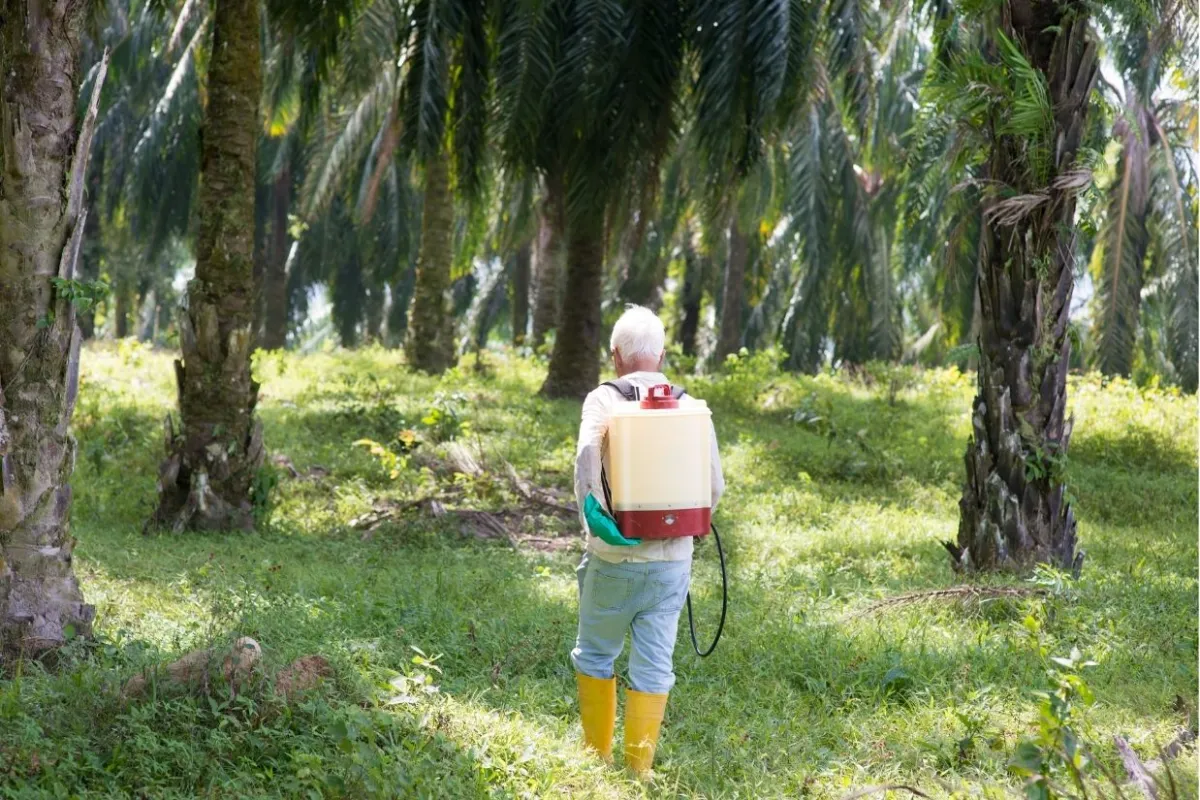
Tungkot further explained that besides the farmers, there are about 7 million people working as laborers at the company level, in plantations and palm oil mills. "We always use the figure that the workforce in the oil palm plantation sector is around 17 million people, multiplied by 4 people, how much is that? That's just in the plantation and mill sector. Not yet in the downstream, vegetable oil factories, or food industries using palm oil," he said.
The downstream palm oil industry, such as palm oil factories, food industries, and palm-based products like margarine and cooking oil, also plays a significant role in absorbing labor. "Not to mention the fried foods throughout Indonesia. If all of this is counted, I am confident that 100 million people depend on palm oil for their livelihoods," he added.
As the palm oil industry develops, these figures show that palm oil is not only beneficial for farmers and workers in plantations but also for various sectors directly related to palm oil processing and consumption. According to data from GAPKI and BPS, the palm oil sector contributes more than 17 million jobs, which include not only farmers and permanent workers in plantations but also those working in palm oil processing and downstream products.
However, the Indonesian palm oil industry also impacts the domestic economy. Indonesian palm oil has become a major export commodity, with export values reaching more than USD 20 billion annually. The export of palm oil products, such as CPO, oleochemicals, and biodiesel, plays an important role in driving the Indonesian economy and significantly contributes to the country's foreign exchange.
Tungkot reminded that cooking oil and other palm oil derivatives have a very large role, even at the simplest level of community consumption. "Cooking oil is not only limited to cities, but also in rural areas. All fried foods use palm oil," said Tungkot, emphasizing that palm oil has become an inseparable part of the daily lives of Indonesian people, both in urban and rural areas.
Thus, the palm oil sector makes a very large contribution, not only in terms of production but also in terms of the income of people who depend on the entire palm oil supply chain. This proves that palm oil is more than just a commodity — it is a major driver of the Indonesian economy, touching almost every layer of society.
However, the Executive Director of PASPI also recognizes the challenges faced by the palm oil industry, especially related to environmental sustainability, government policies, and increasingly stringent global regulations. Nevertheless, he remains optimistic that the Indonesian palm oil industry will continue to grow, especially with the strengthening of more sustainable management.
"I am confident that with good management and increased productivity, Indonesian palm oil will continue to be a very profitable sector for the Indonesian people and the national economy," he concluded the interview.
The palm oil industry indeed faces significant challenges, but the social and economic impact provided by this sector on 100 million people in Indonesia shows how important palm oil is in the country's economic structure. In the coming years, if managed wisely and sustainably, the palm oil industry still has great potential to provide broader benefits, not only for farmers and workers but also for the Indonesian economy as a whole.
Source: YouTube SawitIDN