Indonesia's Opportunities in Aviation Decarbonization

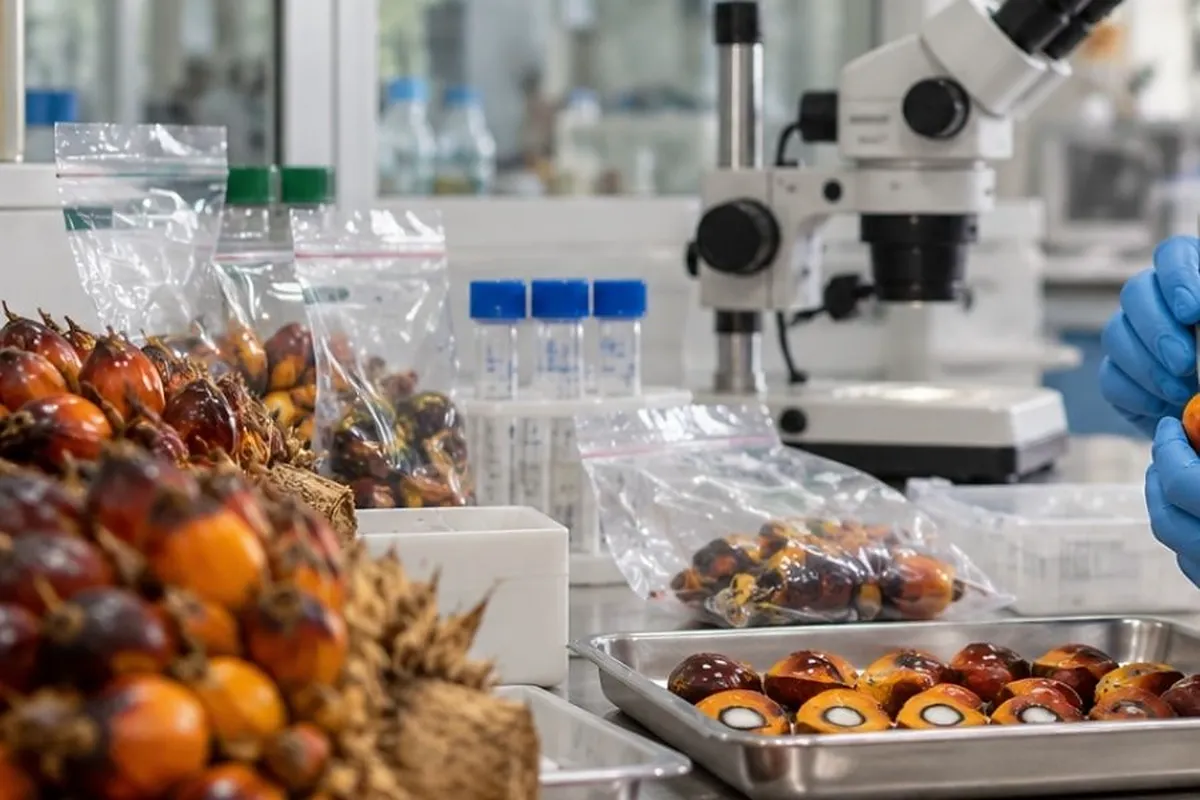
Palm Oil Mill Effluent (POME) is a waste containing water, solids, and oil. The oil contained in POME has the potential to be reused as a raw material for bio-jet fuel. Utilizing the oil in POME is estimated to significantly reduce carbon emissions from waste ponds, as it can lower BOD and COD, thereby reducing greenhouse gases. Therefore, the development and utilization of POME oil need support from various parties to optimally support the government's efforts to reduce GHG.
This was conveyed by senior researcher Dimas Haryo Pamungkas from Indonesia Palm Oil Strategic Studies (IPOSS) during a public discussion forum titled "Improvement of Policy Regulation and Optimal and Sustainable Management/Utilization of POME" at IPB, Bogor (February 5). He further stated that POME is technically a residue from the processing of fresh fruit bunches (FFB) in palm oil mills that flows into waste ponds along with the water used in the processing. Along with this water, oil that escapes the process in the condensate and sludge separator also accumulates in the waste ponds.
If POME oil is utilized to become bio-jet fuel, it can be referred to as Sustainable Aviation Fuel (SAF). ICAO itself, as the body that sets International Civil Aviation regulations, has declared POME as a residue and included it in the positive list of eligible oils, thus it can be categorized as SAF. "Based on LCA calculations by the Tripatra team, the carbon emission value of SAF made from POME oil will be very low, reducing emissions by more than 70% compared to using jet fuel," explained Dimas.
According to Tripatra's calculations, the carbon emission value of POME is about 26 grCO2e/MJ, with a potential carbon emission savings of 71%. This differs from CPO, which has high emissions rated at 76.5 gr CO2e/MJ, or only saves 14%, provided that CPO is processed in mills that already use methane capture.
Technically, POME oil can be converted into SAF using technology known to be efficient and more mature compared to other technologies, namely Hydroprocessed Esters and Fatty Acids (HEFA). The HEFA process can convert oils and fats into more environmentally friendly jet fuel. HEFA technology can also produce products with a high yield, with a yield of about 70-80% from its raw materials. This is much more compared to other raw material technologies.
Currently, although POME is included in ICAO's positive list, it does not yet have a default carbon emission value like Used Cooking Oil (UCO) and CPO. It is reported that a proposal for POME to have a default value was submitted to ICAO in November 2024 by a member of the ICAO Committee on Aviation Environmental Protection in Indonesia, namely the Ministry of Transportation. It is reported that the proposal will begin to be discussed starting this month, March 2025.
Furthermore, support from various stakeholders, including the government, industry, and academia, is crucial for SAF to be implemented in Indonesia as the biodiesel program has been. Collaboration in developing policies that support the sustainable utilization of SAF is needed to accelerate the transition to more environmentally friendly aviation fuel.
In the future, a more progressive mandate is needed to support the accelerated implementation of SAF so that its positive impacts can be felt more quickly, both in terms of reducing fuel use emissions and POME waste emissions. If POME is successfully recognized as having a low default emission value by ICAO, it will open up significant opportunities for Indonesia to contribute more significantly to the global aviation sector's decarbonization efforts due to the vast potential of Indonesia's palm oil industry while strengthening the position of the national oil palm industry on the world stage. (4229)