Behind the “Oil Palm Growers” Narrative: How Effective Are the Policies?

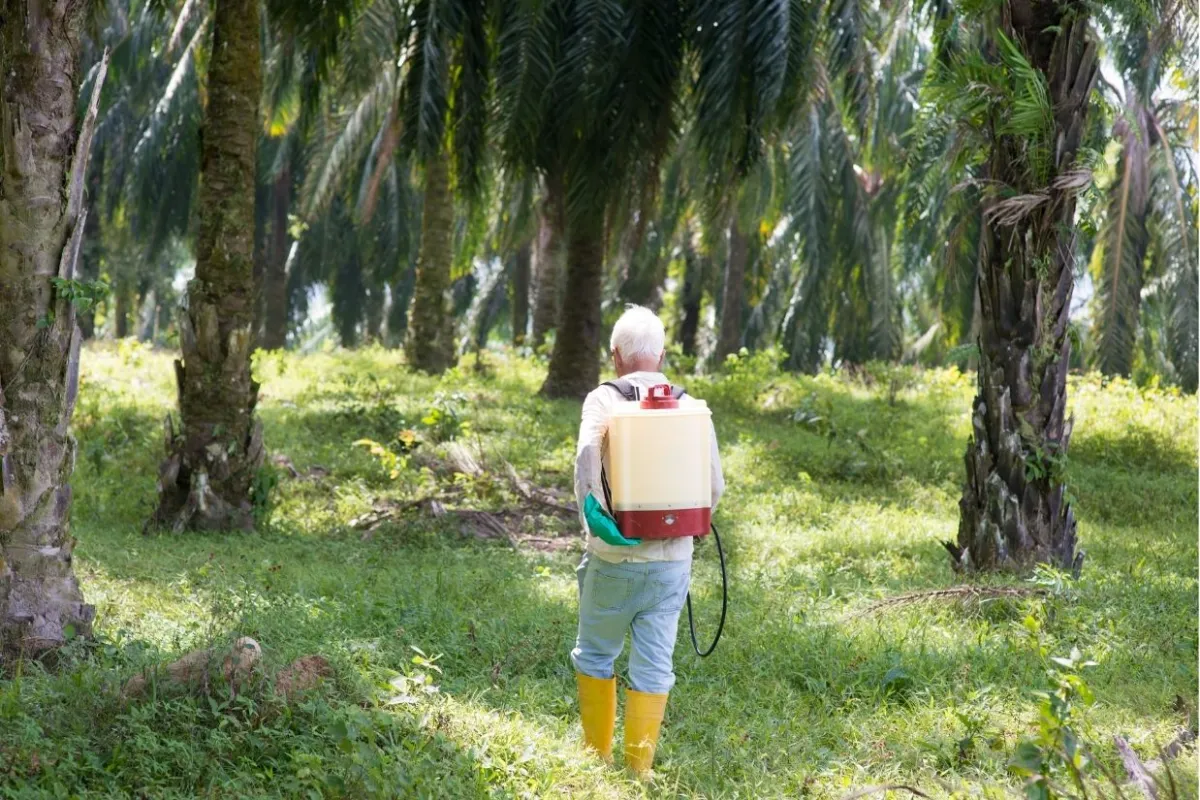
In recent years, the narrative about the oil palm industry in Indonesia has undergone a significant shift. Previously, palm oil was more often discussed in the context of exports and foreign exchange, but now more attention is being directed towards smallholders as the "main actors" at the upstream level. Palm oil is no longer seen solely as a strategic commodity but also as a source of livelihood for millions of families.
Oil palm smallholders are often referred to as the backbone of the industry. This change in perspective reflects efforts to place welfare and inclusivity as part of the palm oil sector's development agenda. However, when smallholders are placed at the center of the narrative and policy, further questions arise: to what extent are the existing instruments truly able to reach and empower them?
The position of smallholders in Indonesia's palm oil industry is indeed very significant. They manage a large portion of plantation areas and contribute to national production. Awareness of this has driven a shift in policy approach—from expansion towards increasing productivity and sustainability. Thus, smallholders are no longer merely part of the production chain but are increasingly positioned as determinants of the industry's future.
Several programs have been designed to strengthen this position. The Smallholder Oil Palm Replanting (PSR) program, for example, aims to increase productivity through plant renewal. Additionally, the Indonesian Sustainable Palm Oil (ISPO) certification is an important step to promote more sustainable practices while opening market access. On the other hand, scholarship and training programs for smallholder families indicate that the development of this sector also targets the enhancement of human resource capacity.
These various initiatives indicate that the commitment to smallholders does not stop at the narrative level but has been translated into concrete policies. Nevertheless, implementation in the field still faces several challenges. Access to programs like PSR is often hindered by administrative requirements and land legality. Many smallholders do not yet have adequate formal documents, making it difficult to take advantage of available programs.
The same is true for certification. Although ISPO is an important instrument, not all smallholders have the capacity to meet the established standards. Cost limitations, technical knowledge, and the complexity of the process pose their own challenges, especially for independent smallholders. On the other hand, land legality issues that have not been fully integrated into the formal system also affect their access and bargaining position.
It is also important to understand that oil palm smallholders are not a homogeneous group. There are differences between plasma smallholders who have ties with companies and independent smallholders who are more self-reliant, with different levels of access to financing, technology, and markets. This diversity demands a more adaptive and non-uniform policy approach.
Placing smallholders at the center of the palm oil industry is a strategic step that deserves appreciation. However, the success of this approach will ultimately be determined by the extent to which policies can reach the realities on the ground. Strengthening access, simplifying processes, and adopting a more inclusive approach will be key to ensuring that the benefits of palm oil are truly felt evenly.
Ultimately, the success of the palm oil industry is measured not only by its contribution to the national economy but also by the sector's ability to grow alongside the smallholders who form its foundation.