Diplomacy Bears Fruit, Indonesian Palm Oil and Cocoa Exempt from US Tariffs Amid Tug-of-War Over Critical Mineral Access

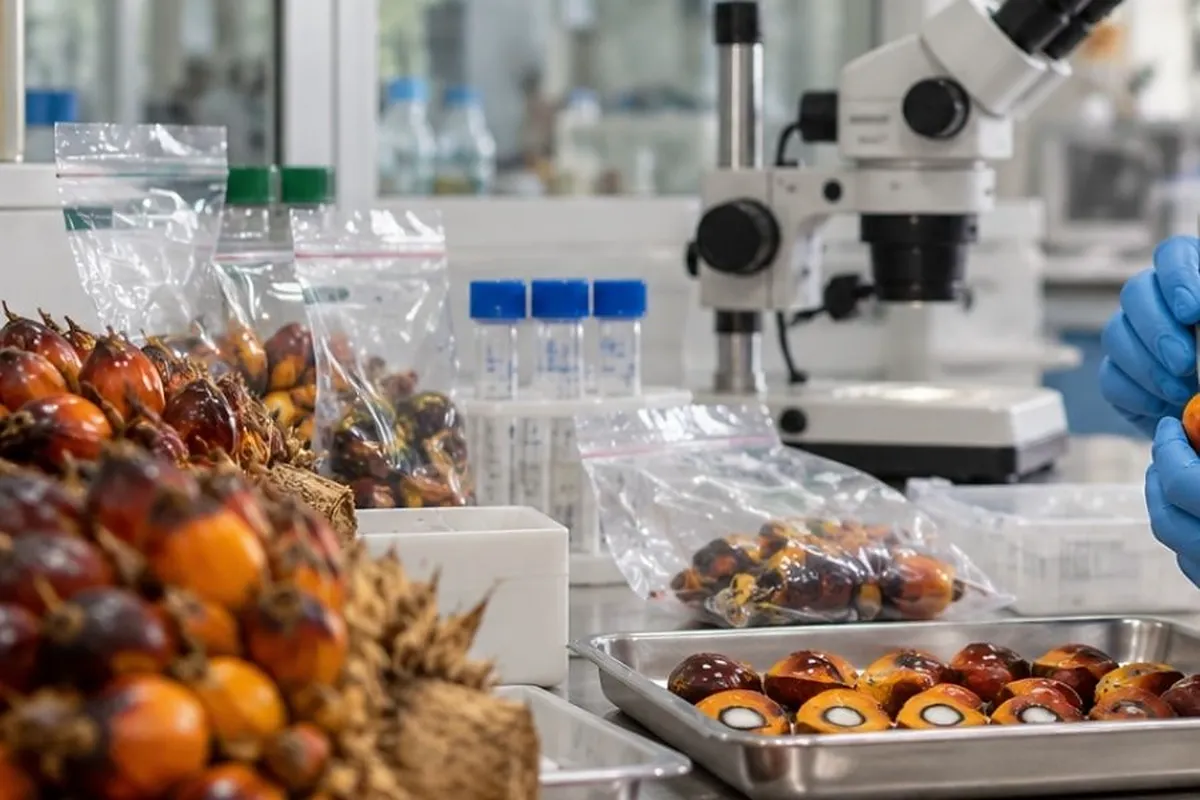
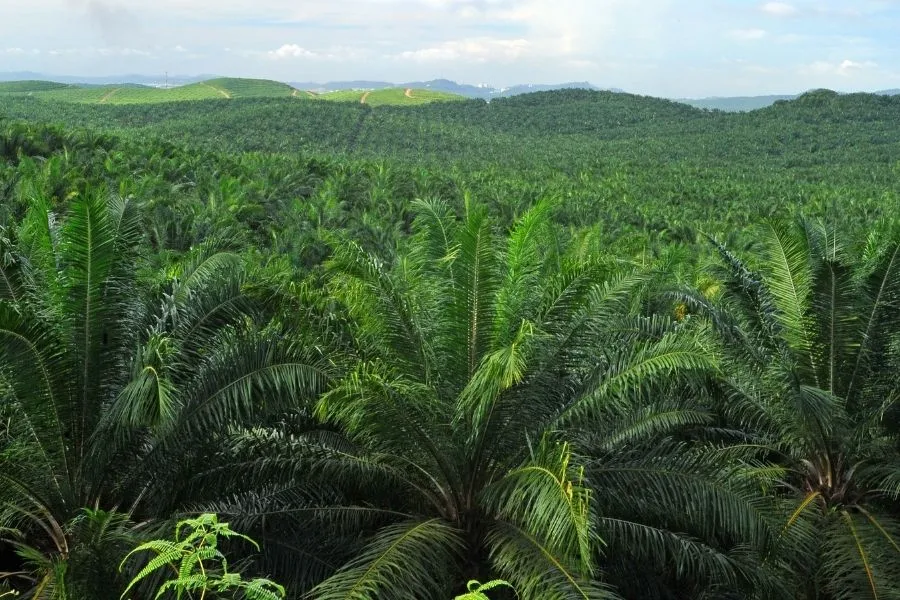
The trade agreement between Indonesia and the United States has finally reached a crucial point after a lengthy negotiation process that began several months ago. On Tuesday, December 23, 2025, the Indonesian government officially announced that several of the nation's leading export commodities, such as crude palm oil (CPO) and cocoa, have been granted exemptions from reciprocal trade tariffs by the United States. This decision marks an important milestone in the trade relations between the two countries, while also providing relief for the national plantation sector.
In a press conference delivered directly from Washington and quoted by CNBC Indonesia, Coordinating Minister for Economic Affairs Airlangga Hartarto explained that the agreement was the result of intensive negotiations held on the same day between Indonesia and the United States. These negotiations involved Airlangga and the Ambassador United States Trade Representative (USTR), Jamieson Greer.
“Indonesia has obtained exemptions for crude palm oil, cocoa, and several other commodities,” said Airlangga. This statement confirms that Indonesia's strategic commodities are free from the reciprocal tariff scheme that previously had the potential to reach 32 percent.
Looking back, the discourse on reciprocal trade tariffs emerged when the United States reviewed its trade relations with several key partners. For Indonesia, the threat of high tariffs posed a risk to the performance of non-oil and gas exports, especially the plantation sector, which has long played a significant role in employment absorption and foreign exchange earnings. In response to these conditions, the Indonesian government engaged in diplomatic efforts since early 2025, emphasizing the strategic contribution of palm oil and cocoa to the national economy.
However, the 0 percent tariff exemption cannot be separated from the context of reciprocal agreements. CNBC International in several reports noted that the United States is pushing for broader access to critical minerals from trading partner countries, including Indonesia, as part of a strategy to secure global supply chains. In this context, critical minerals—including rare earth minerals—are of primary concern due to their vital role in high-tech industries, ranging from electric vehicles, renewable energy, semiconductors, to the defense sector. The push for access to these strategic minerals often arises alongside trade and tariff negotiations, as the United States seeks to reduce dependence on a single global supply source.
Rare earth minerals refer to a group of 17 chemical elements, including neodymium, dysprosium, and terbium, used in various strategic products such as electric vehicle batteries, wind turbines, semiconductors, electronic devices, and modern weapon systems. Although termed "rare," these minerals are not always geologically scarce but are difficult to mine and process due to complex refining processes that require high technology. Currently, the global supply chain for rare earth minerals is highly concentrated in China, while the United States has limited domestic supply and relies on imports. Amid ongoing trade tensions and global technological competition, countries with potential rare earth minerals outside China, including Indonesia, are becoming increasingly relevant in maintaining the sustainability of strategic mineral supplies.
In this context, the United States views cooperation with Indonesia as part of efforts to strengthen the security of critical mineral supplies needed for technology, defense, and clean energy transition industries. However, for Indonesia, this cooperation also presents its own challenges. The management of strategic minerals needs to be conducted carefully and sustainably, in line with downstream policies and the protection of national interests, so that the economic potential generated does not sacrifice long-term interests.
This is where the dilemma lies for Indonesia. On one hand, the tariff exemption for palm oil and cocoa provides tangible short-term benefits by maintaining export competitiveness and the stability of the plantation sector. On the other hand, openness to critical mineral access poses long-term risks if not accompanied by strengthening downstream policies, controlling raw material exports, and protecting national interests in the global value chain.
Several analysts believe that this agreement must be closely monitored. Transparency of the agreement's content, including access limits, cooperation schemes, and Indonesia's position in the processing of value-added minerals, are key factors to ensure that Indonesia does not merely become a supplier of raw materials. Without a strong strategy, the benefits of tariff exemptions could be costly due to the loss of industrialization opportunities in the strategic mineral sector.
Going forward, the main challenge for the government is to balance short-term gains from trade diplomacy with long-term interests related to the sovereignty of natural resources. This agreement can be a positive momentum, provided it is accompanied by policies that ensure added value and control remain in Indonesia's hands.