Southeast Asia's Dominance in Global Palm Oil Production 2026

Palm oil remains a strategic global commodity in 2026, used in food, cosmetics, and bioenergy. According to the United States Department of Agriculture (USDA) Oilseeds: World Markets and Trade 2025/2026 report, global palm oil production is still concentrated in a number of tropical countries, with a strong dominance in Southeast Asia.
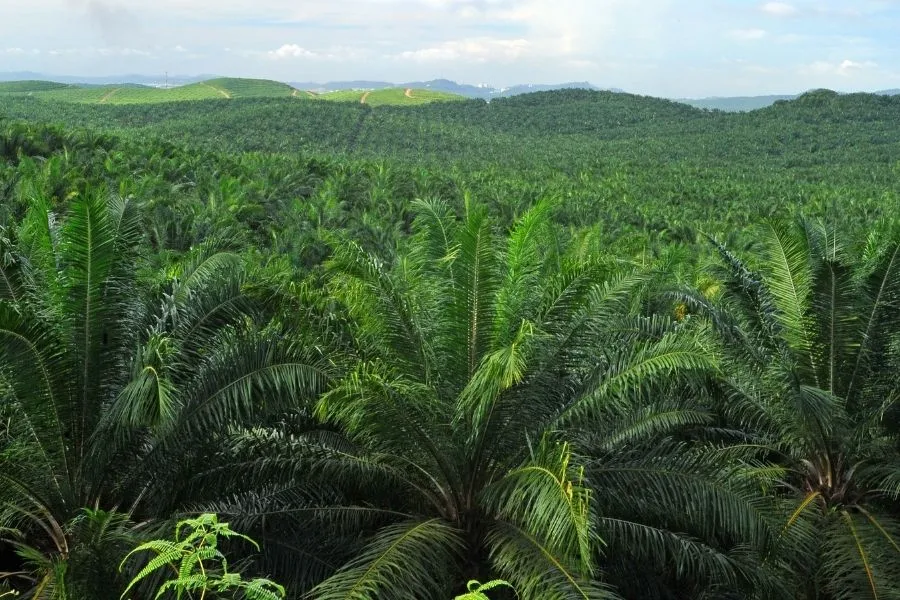
This concentration is particularly reflected in the positions of Indonesia and Malaysia as the world's two main producers. Indonesia maintains the top position with production of around 46 million tons in the 2025/2026 marketing year, or about 58 percent of total global production. In addition to being the largest exporter, Indonesia is also a significant domestic consumer, primarily through its biodiesel program that absorbs large volumes of CPO.
In second place, Malaysia produces around 19–19.5 million tons, according to the USDA report and data from the Malaysian Palm Oil Board (MPOB). Production stability in Sabah and Sarawak supports Malaysia's role as a major exporter to India, China, and the European Union. Together with Indonesia, these two countries form the center of gravity for the world's palm oil supply.
Outside of these two Southeast Asian giants, there is a group of medium-sized producers that strengthen regional supply. Thailand, for example, produces around 3.3 million tons, with most of the production used for domestic needs, particularly biodiesel, as reported in the USDA's Global Agricultural Information Network (GAIN) report.
Meanwhile, in Latin America, Colombia is the largest producer with an output of around 1.9 million tons. Its palm oil industry is widespread and oriented towards both the domestic market and exports to Europe. In Africa, Nigeria produces around 1.5 million tons, although high domestic consumption often exceeds production capacity. Productivity and infrastructure challenges remain major limiting factors.
Other countries like Guatemala and Papua New Guinea also play important roles, albeit on a smaller scale. Guatemala produces around 1 million tons with a strong export orientation, while Papua New Guinea produces around 800–850 thousand tons and exports most of its production. This data refers to USDA estimates for 2025/2026.
The high concentration of production in a handful of countries makes the global palm oil market very sensitive to domestic policies, extreme weather, and logistical disruptions in Southeast Asia. One of the most evident examples occurred in 2022 when Indonesia imposed a temporary export ban on CPO and its derivatives to stabilize domestic cooking oil prices. This policy immediately triggered a surge in global vegetable oil prices and affected major importing countries such as India and China. This event demonstrates how national-level decisions can directly impact international market stability.
Overall, Indonesia and Malaysia contribute about 85 percent of global palm oil production. This level of concentration makes the two countries highly influential in determining international trade dynamics, supply, and pricing.
In the context of continuously increasing global demand, the challenges ahead are not only to maintain production volume but also to ensure sustainability practices, productivity improvements, and supply chain stability. With a highly centralized market structure, the policies and performance of the two main producers will continue to influence the direction of the global palm oil industry.