Palm Oil Exports Threatened If Production Does Not Increase

The Indonesian oil palm industry is at a strategic crossroads between domestic energy needs, export stability, and sustainable production. In recent years, national palm oil production growth has been relatively stagnant, while demand continues to rise, primarily due to mandatory biodiesel policies. This situation raises concerns that crude palm oil (CPO) exports could be pressured if not balanced with increased upstream productivity. In this context, the Smallholder Oil Palm Replanting (PSR) program—which has been ongoing for several years—has come back into focus as an important instrument to maintain the balance between domestic needs and Indonesia's position as the world's largest palm oil exporter.
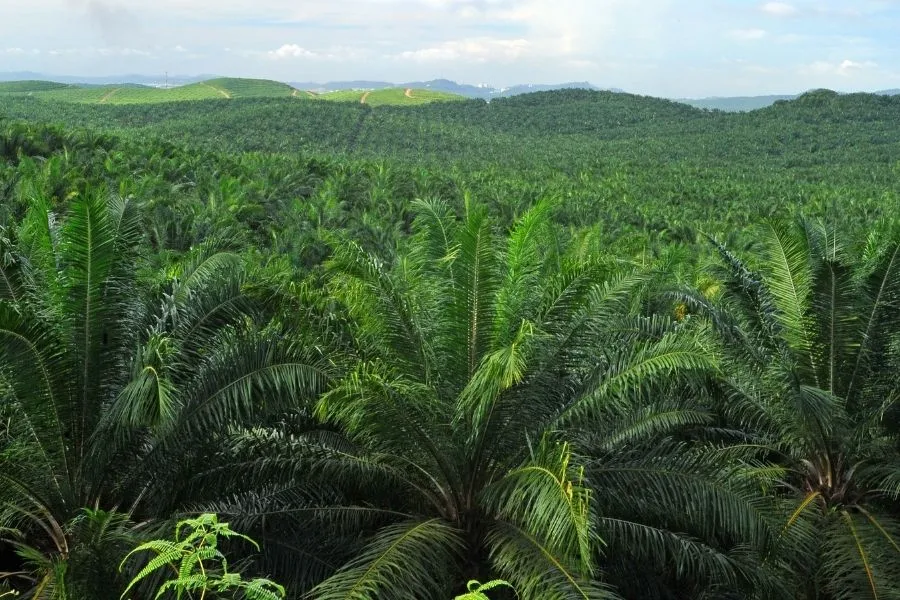
In general, the main challenge for the palm oil industry today is the imbalance between supply and demand. Over the past five years, data processed by IPOSS shows that Indonesia's palm oil production has not experienced significant growth. This is largely due to the slow process of replanting oil palm plantations, especially in the smallholder sector, which accounts for a large portion of the total national oil palm plantation area. As oil palm trees age and their productivity declines, production output does not develop optimally.
On the other hand, domestic demand continues to increase. The biodiesel program is a major factor absorbing large volumes of CPO. By 2025, domestic palm oil consumption is projected to reach around 24.77 million tons, with biodiesel contributing approximately 12.70 million tons following the implementation of the fuel blend policy from B35 to B40. This policy is part of the government's strategy to strengthen national energy security while reducing dependence on diesel imports.
Although Indonesia's palm oil product exports in 2025 still recorded an increase to around 32.34 million tons with a value of approximately US$35.87 billion, structural pressures remain evident. In the medium-term trend, exports tend to decline because increased domestic consumption is not matched by adequate production growth. If this condition continues, exports could potentially become the main adjustment variable to meet domestic needs.
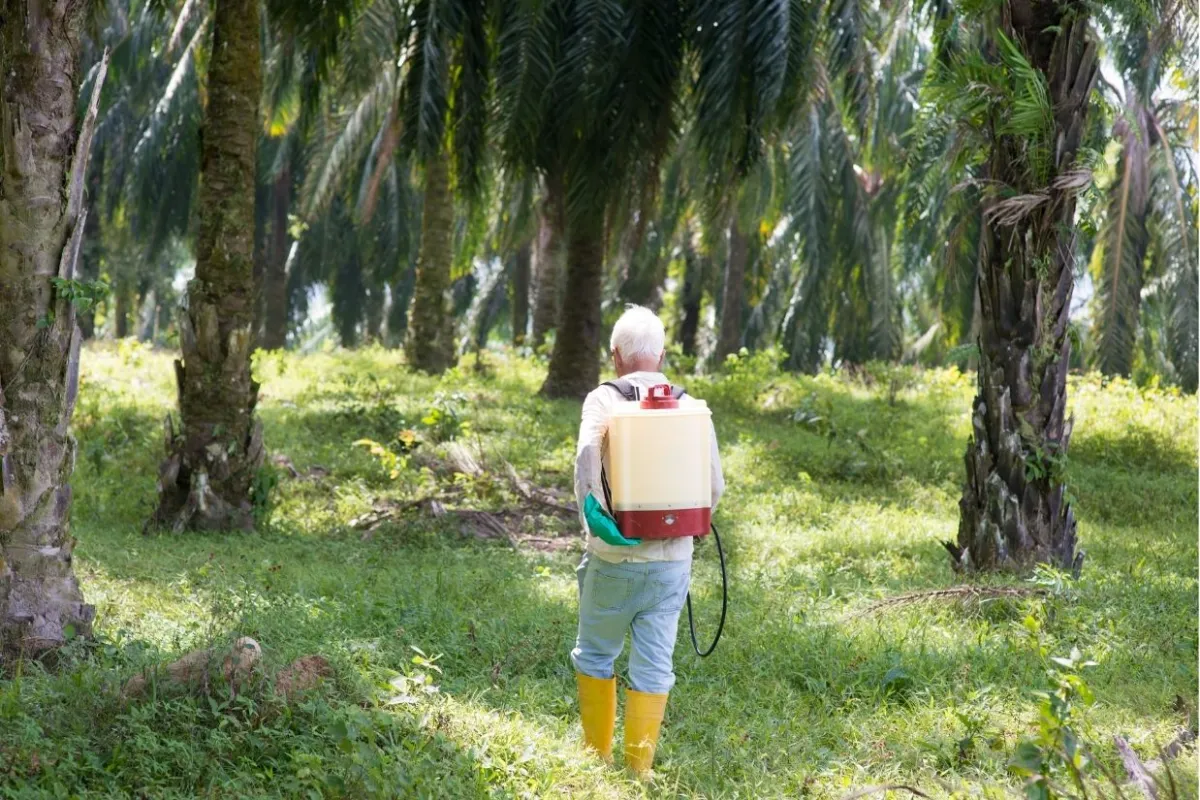
In facing these challenges, accelerating the implementation of the Smallholder Oil Palm Replanting (PSR) program is once again in the spotlight. This program aims to replace old oil palm trees with superior, more productive seedlings. With replanting, the productivity of plantations, which currently averages around 10 tons of fresh fruit bunches (FFB) per hectare per year, has the potential to increase to around 20 tons. This increase is expected to become apparent about five years after replanting.
However, the implementation of PSR is not without social and economic challenges. Many farmers are reluctant to cut down oil palm trees that are still producing, especially when FFB prices are high. The replanting process also creates an income gap for farmers because new plants take time before they start producing again. Therefore, financial support and incentive schemes are crucial factors for the program to run more effectively.
Looking ahead, the balance of Indonesia's palm oil industry will heavily depend on energy policy decisions and the acceleration of productivity improvements. If the biodiesel program continues to expand towards B50 or even higher, the demand for CPO raw materials will increase significantly. Without adequate production increases, Indonesia will face a difficult choice between meeting domestic energy needs or maintaining export capacity. In this context, optimizing and accelerating the PSR program is key to ensuring the palm oil industry can meet both objectives simultaneously.