← News
September 25, 2025168 views
EUDR to Be Postponed Another Year. What's Happening?
The implementation of the EU deforestation regulation, known as EUDR, may be postponed again to the end of 2026. The European Commission seems to have a new awareness that enforcing EUDR without thorough preparation will actually cause problems. On the other hand, particularly for Indonesian farmers, this is additional time to prepare themselves.
The EU Commissioner for Environment from Sweden, Jessica Roswall, suddenly made a statement (September 23) in front of other commissioners about the ongoing IT system issues hindering the implementation of EUDR, which was planned to be active at the end of December. Forcing it would create a lot of uncertainty both among the authorities and various related parties. "In this regard, the Commission is considering postponing the implementation of EUDR from December 30, 2025, to the following year," she said as quoted by Reuters.
Roswall intends to immediately discuss this issue with various authorities before formally announcing the one-year delay. Nevertheless, support for the postponement has already flowed in, including from her colleague from Germany, Christine Schneider (CDU Party). According to her, this issue cannot be resolved merely by introducing a transition period or implementing non-binding guidelines. Concrete steps must be taken to ensure smooth implementation.
Many parties believe that the EU was overly enthusiastic in drafting so many detailed rules in the deforestation mechanism, which ultimately entangled it in the IT system that is its main support. The one-year postponement was initially considered sufficient to address all issues, but in reality, it is not that simple. Even various EU partner countries such as Poland, Indonesia, and even the United States continue to express complaints about the complexity of the EUDR requirements.
EUDR may be an ideal regulation as an instrument to prevent deforestation activities. However, due to its detailed nature resulting from using European Union standards, it ultimately cannot be easily implemented. Outside the European Union, many parties practically cannot follow the regulation because they have completely different circumstances. Therefore, if a second postponement truly occurs, the European Union should make adjustments and no longer apply the regulation rigidly.
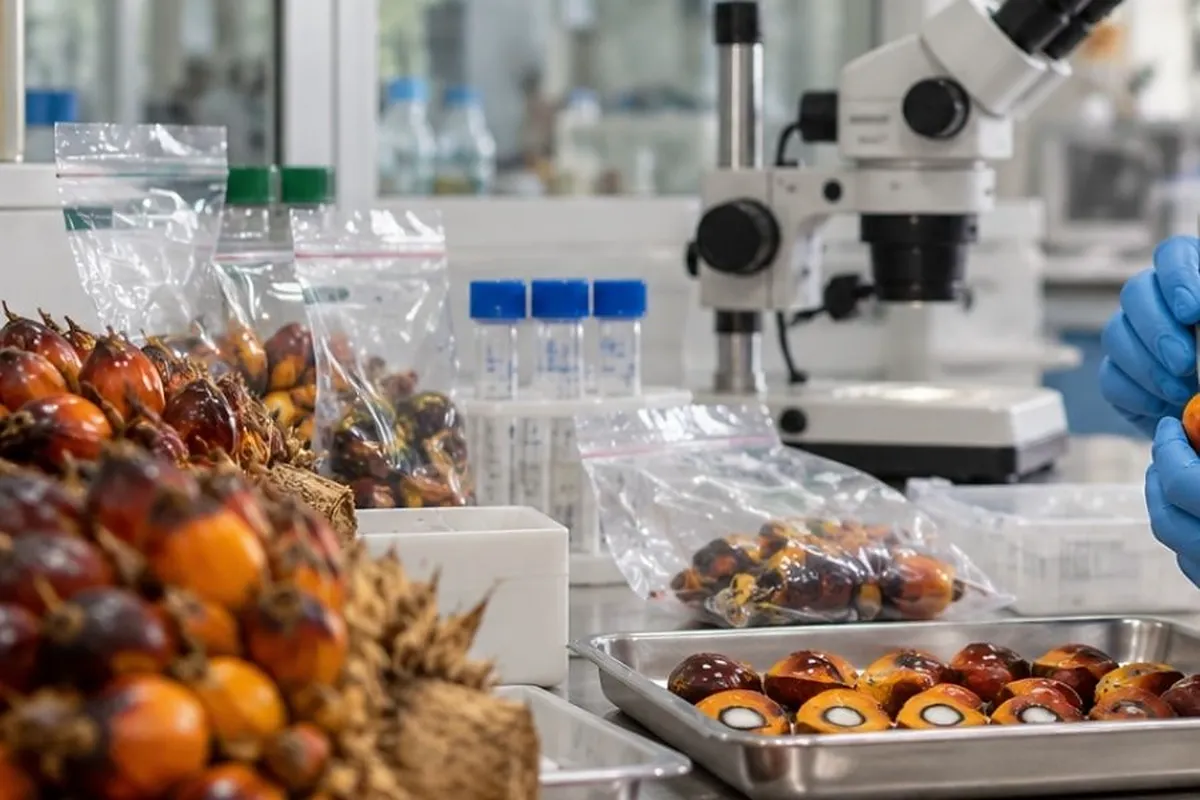
In Indonesia itself, the implementation of EUDR has become a hot topic of discussion considering its impact on various sectors. Specifically in the oil palm plantations, for instance, approximately 43 percent of the land is managed by farmers who generally do not yet have sufficient knowledge about the various EUDR requirements. A one-year postponement (if it occurs) should be a golden time for farmers to prepare under the guidance and direction of the Government. There are many regulations that must be met, and this is inseparable from Government policies and the efforts made by the farmers.
As for Indonesian palm oil corporations, they seem to find it easier to comply with EUDR regulations considering their land is relatively "clean" and their plantation management is supported by advanced equipment, making traceability issues (for example) easily addressed.
Clearly, through the two-year delay in EUDR implementation, the EU should be introspective by simplifying regulations that still promote deforestation so that trade can progress and bring prosperity to all. On the other hand, EU partner countries continue to provide input for trade smoothness and environmental protection. We do not want this valuable time to pass without providing meaning for everyone.