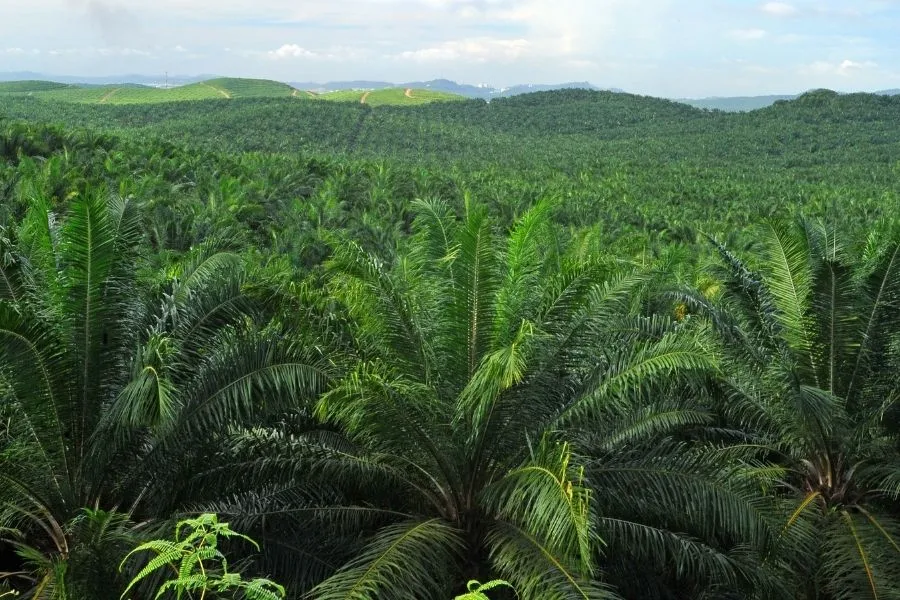
Gulf Geopolitics and Its Impact on Indonesian Palm Oil Exports
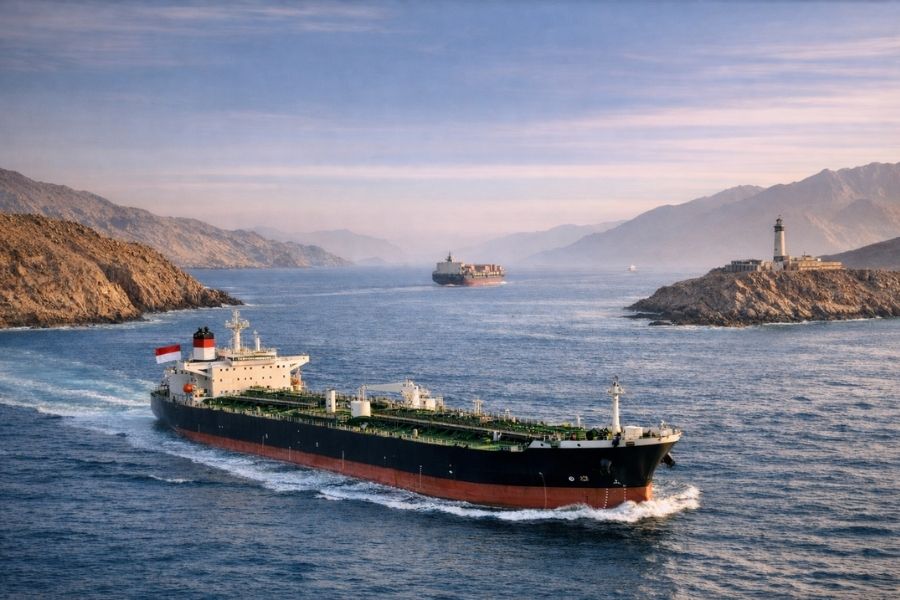
Geopolitics and logistics increasingly influence the dynamics of Indonesia's palm oil exports. In early 2026, conflicts in the Gulf region triggered a surge in shipping and insurance costs. Indonesia's palm oil shipments to Europe generally pass through the Red Sea and the Bab el-Mandeb Strait, which is a major route to the Suez Canal. Although this route remains open to date, potential disruptions persist. Indonesia's palm oil exports to the Middle East heavily rely on this shipping lane, making them highly vulnerable to disruptions. According to Reuters, insurance premiums for ships passing through conflict zones have increased by more than 1,000%, leading to higher shipping costs, and for some voyages, war risk premiums for hulls have risen from 0.25% to 3% of the ship's value.
The Indonesian Palm Oil Association (GAPKI) reported an increase in shipping and insurance costs of about 50% due to longer and riskier routes, as well as rising conflict risk premiums. In 2025, Indonesia's exports to the Middle East reached approximately 1.83 million tons with a value of around 1.9 billion USD, which is a significant part of Indonesia's overall palm oil trade. Although this impact is substantial for certain exporters, its effects are felt more broadly as rising shipping costs affect various regions, including Europe and India. This increase in shipping costs reduces the competitiveness of palm oil, especially in markets like India, where the price gap between palm oil and soybean oil is narrowing.
For Indonesian exporters, the main concern is the price elasticity of demand. If palm oil shipping costs become too high, importers may reduce orders, delay purchases, or even seek alternative suppliers. Early signals indicate that this is already starting to happen, with new orders slowing while exporters focus on fulfilling existing contracts. However, despite these challenges, the broad demand for palm oil and the short-term substitution limitations in some markets may help mitigate the worst impacts of logistical disruptions.
Another factor exacerbating export challenges is the European regulatory landscape, particularly the ongoing dispute between Indonesia and the European Union (EU) regarding palm oil-based biofuels. A World Trade Organization (WTO) panel decision in early 2025 found that the EU's renewable energy framework discriminates against Indonesian palm oil, particularly concerning the risk of indirect land use change. As a result, Indonesia has escalated the issue through WTO procedures, demanding compliance from the EU. Although the EU has agreed to address certain inconsistencies, their overall renewable energy policies, including deforestation-free product regulations, continue to impose substantial compliance costs on palm oil exporters.
Despite ongoing geopolitical and regulatory challenges, Indonesian palm oil exporters still face opportunities to adapt. While logistical disruptions related to conflicts in the Middle East may be temporary, broader structural issues related to European market access remain. In this complex landscape, companies need to closely monitor both shipping costs and regulatory developments, as these factors will ultimately determine the performance of Indonesia's palm oil exports in the coming years.
In conclusion, geopolitical tensions in the Gulf and EU regulatory policies present both short-term and long-term challenges for Indonesia's palm oil exports. The key lesson for exporters and investors is the importance of resilience in facing rising shipping costs and ongoing disputes while seeking new opportunities in alternative markets and adapting to the ever-evolving regulatory landscape.