Weeds in Oil Palm Plantations: Which Need Control, Which Can Be Maintained
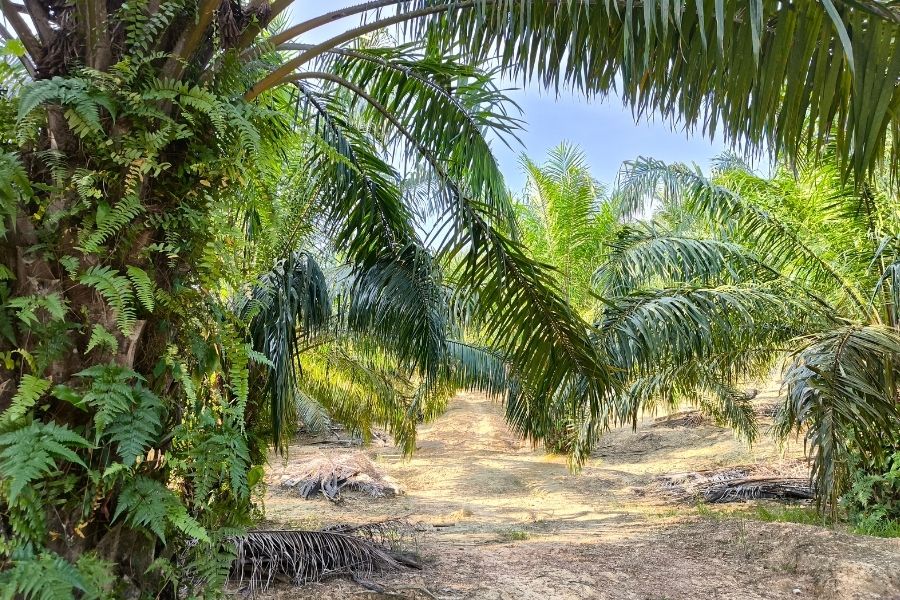
In the management of modern oil palm plantations, weeds are no longer viewed solely as enemies that must be completely eradicated. Scientific approaches show that while some weeds indeed have negative impacts on the growth and productivity of oil palms, others play an important role in maintaining the ecosystem balance of the plantation. The key lies in identifying weed types and selective management.
/wp:paragraph wp:paragraphThis was also conveyed by Djend Muhayat from the Palm Oil Research Center (PPKS), who emphasized that the maintenance of oil palm plantations has now shifted from a total chemical approach to a more environmentally friendly integrated control. This strategy aligns with the concept of Integrated Weed Management (IWM), which is widely recommended in scientific literature, namely combining chemical, mechanical, biological, and ecological approaches in a balanced manner.
/wp:paragraph wp:heading {"level":3}Weeds That Must Be Controlled
/wp:heading wp:paragraphSeveral types of weeds have been scientifically proven to have a significant impact on oil palm productivity. One of the most detrimental is alang-alang (Imperata cylindrica). This weed has an aggressive rhizome system and can produce allelopathic compounds, which are chemicals that inhibit the growth of surrounding plants. Research by Olorunmaiye, P.M. & Olorunmaiye, K. S (2009) shows that Imperata cylindrica can reduce soil nutrient availability and strongly compete for water absorption.
/wp:paragraph wp:paragraphDue to its perennial nature and high regeneration ability, alang-alang is generally controlled using systemic herbicides, which are absorbed by the plant and work down to the root tissues. However, the use of herbicides must be done carefully and not excessively. Uncontrolled application of chemicals risks leaving residues that can enter the production chain, including the potential to be detected in crude palm oil (CPO). Therefore, the principles of the right dose, right time, and right target are very important in chemical-based weed control (FAO (2017). Guidelines on Good Agricultural Practices for Crop Production).
/wp:paragraph wp:paragraphAnother weed to be wary of is narrow-leaved weeds such as Dicanthium linearis. The presence of this weed is often associated with soil conditions that are poor in nutrients, especially phosphorus. The visual characteristic of purple leaf color is an indicator of low soil organic matter content, as explained in the study on vegetation bioindicators by Brady & Weil (2016).
/wp:paragraph wp:paragraphAdditionally, taprooted woody seedlings such as Clidemia hirta and Melastoma malabathricum are also considered harmful. These types compete directly with oil palm plants in absorbing water and nutrients from the same soil layer. Due to their strong root systems, control is usually done selectively, combined with pruning or mechanical treatment to reduce dependence on herbicides.
/wp:paragraph wp:heading {"level":3}Weeds That Can Be Tolerated
/wp:heading wp:paragraphConversely, not all weeds need to be cleared from the plantation. Some types actually provide important ecological functions. Ground cover weeds such as wild amaranth growing outside the main root zone can help maintain soil moisture and reduce evaporation, as long as they do not interfere with the main root zone of the oil palm.
/wp:paragraph wp:paragraphAnother type considered beneficial is ferns Nephrolepis biserrata. This plant is epiphytic, so it does not directly compete with oil palm roots. Research on the function of ground cover plants shows that the presence of ferns can reduce erosion rates and maintain micro-moisture around the plants (Hartemink, 2005).
/wp:paragraph wp:paragraphMoreover, innovations in natural weed control are being developed, including the use of ruminants such as goats or cattle to graze on weeds in certain areas. This approach not only suppresses weed growth but also helps reduce herbicide use and enhances the integration of plantation systems with livestock.
/wp:paragraph wp:heading {"level":3}Selectivity as the Key to Sustainability
/wp:heading wp:paragraphWeed management in oil palm plantations is no longer oriented towards total clearance, but rather on understanding weed ecology and selective control. By targeting only truly harmful weeds, growers can maintain productivity while preserving the ecological functions of the plantation. The combination of prudent chemical control, regular pruning, and biological approaches is key to safer and more sustainable weed management.
/wp:paragraph wp:paragraphThis approach is not only more agronomically efficient but also supports long-term sustainability through a healthier and more balanced plantation ecosystem.
/wp:paragraph