← News
September 25, 2025450 views
Indonesia–European Union Finally Agree: A New Era of Trade Begins
Indonesia and the European Union have finally concluded a long round of trade negotiations after nearly a decade. On Tuesday, September 22, 2025, in Bali, Coordinating Minister for Economic Affairs Airlangga Hartarto and European Commission's Commissioner for Trade and Economic Security Maroš Šefčovič signed the substantial completion of the Indonesia–European Union Comprehensive Economic Partnership Agreement (IEU-CEPA). This agreement marks a significant milestone in the relationship between the two parties, while also opening wider opportunities for trade and investment.
Since its inception in July 2016, the negotiation journey has been full of twists and turns. No fewer than 19 rounds of official meetings were held, accompanied by various intersessional meetings that often lasted late into the night. Over those nine years, many issues had to be resolved, ranging from tariffs, rules of origin, to environmental sustainability. In July 2025, both parties reached a political agreement, and now in Bali, that step has been officially completed in the form of a substantive document.
Commissioner Šefčovič stated that this signing is an important message to the world that Europe and Indonesia remain committed to rules-based international trade. He expressed gratitude to the negotiating teams from both sides who patiently finalized the details of the agreement. His statement was accompanied by data underscoring the importance of this trade relationship. In 2024, the trade value of goods between Indonesia and the European Union reached €27 billion, while trade in services was nearly €9 billion. Indonesia exported goods worth €17.5 billion to the European Union, while at the same time, the European Union sent exports worth €9.8 billion to Indonesia.
Beyond these figures, direct benefits are also evident in the real sector. Reuters noted that bilateral trade between the two parties in 2024 reached USD 30.1 billion and is projected to double within the first five years of the agreement's implementation. This means thousands of small and medium enterprises in Indonesia have the potential to gain new market access. The European Union emphasized that more than 98% of tariff lines will be eliminated, while about 80% of the trade value will be immediately tariff-free once the IEU-CEPA takes effect.
Airlangga Hartarto stated that Indonesia hopes implementation can begin on January 1, 2027, after the ratification process is completed. He emphasized that labor-intensive industries such as footwear, furniture, and textiles will gain tangible benefits from the opening of the European market. This aligns with the government's focus on creating jobs and expanding manufacturing exports. "We want to see the benefits of this agreement immediately," he said, stressing the urgency of accelerating implementation.
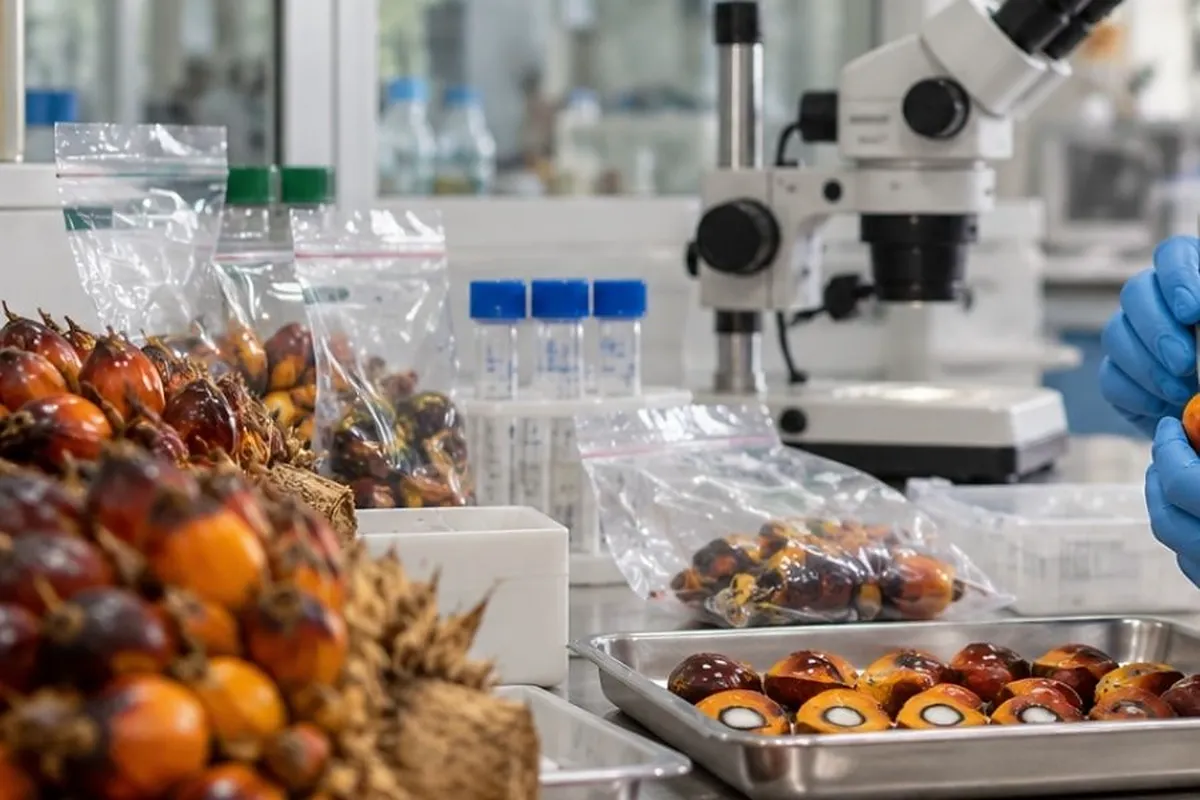
However, challenges also await. Besides the ratification process in both parties' parliaments, there is an obligation to adjust technical regulations, environmental regulations, and sustainability standards. Issues of palm oil and deforestation are likely to remain in the spotlight. Observers believe the European Union is using this agreement as a strategy to strengthen its economic position in Southeast Asia while balancing China's influence.
Nevertheless, this agreement clearly brings new hope. For Indonesia, the export door opens wider to one of the world's largest economic blocs. For the European Union, this cooperation strengthens access to the largest economy in ASEAN. After nine years of a journey filled with diplomacy, the IEU-CEPA stands not merely as a symbol but as a concrete bridge towards open markets, investment, and sustainable collaboration. If all stages proceed as planned, early 2027 could mark the birth of a new era of Indonesia–Europe trade, a dawn of collaboration long dreamed of.