← News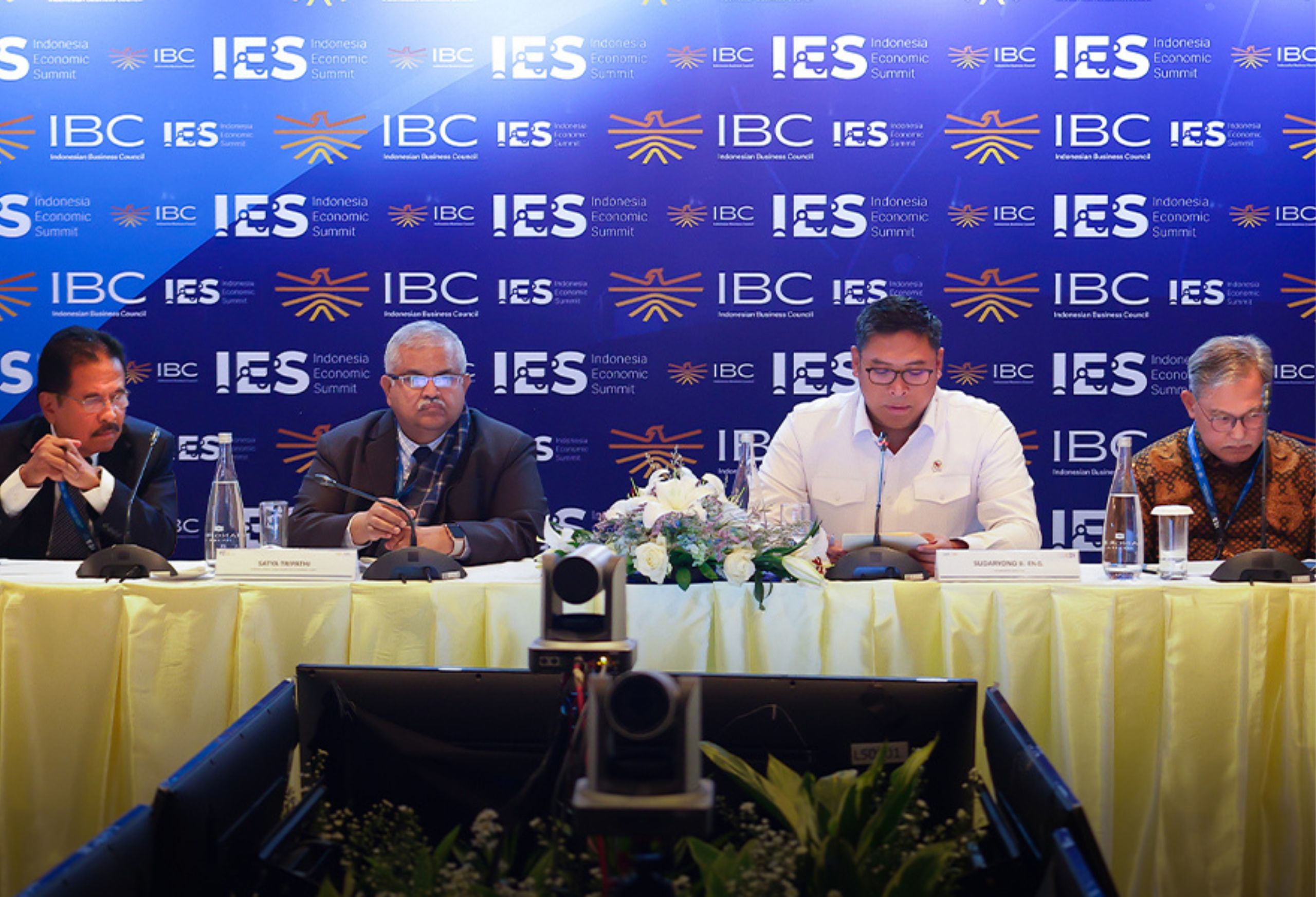
February 21, 2025538 views
Sustainable Indonesian Palm Oil Industry: Opportunities & Challenges
The topic of EUDR obstacles emerged as one of the highlights at the roundtable discussion organized by IPOSS, IBC, and GASP on February 18 at the Shangri-La Hotel, on the sidelines of the IES 2025 meeting. Indonesia is expected to become a leading country in the sustainable palm oil industry.
As the world's largest palm oil producer, Indonesia plays a strategic role in the global supply chain. However, at the same time, the palm oil industry often faces sustainability challenges. The implementation of evolving global standards such as the European Union Deforestation Regulation (EUDR), which will be enforced in 2026, is considered one of the main obstacles for palm oil-producing countries.
For Indonesia, the palm oil industry has a strategic role in the national economy, contributing approximately 3.5% to the Gross Domestic Product (GDP) and providing employment for more than 18 million people. The implementation of EUDR could have a significant impact on this industry. The regulation requiring palm oil products exported to the European Union to meet deforestation-free standards potentially hinders market access for smallholders who struggle to meet these requirements.
As is known, 40% of Indonesia's oil palm plantation area is owned and managed by smallholders who play an important role in increasing future palm oil production, especially through strengthening productivity. Joint efforts from stakeholders are needed to ensure smallholders' readiness to face EUDR in terms of governance policies, regulations, technology, data, and financial support.
Ambassador Yuri O. Thamrin, one of the keynote speakers at the discussion, stated that the European Union, with its regulations, should not be unfair to palm oil-producing countries, especially by bringing a sense of "regulatory imperialism." A mutual understanding and a more balanced and cooperative policy approach are needed—both at the European Commission level and in Indonesia—to ensure Indonesian palm oil products remain competitive in the global market, including in the European Union.
"We are grateful for the delay, we can breathe, but we still have to fight for changes in the substance of this regulation. Over the next year, Indonesia will continue negotiations with the EU, including on data interoperability and recognition of the ISPO (Indonesian Sustainable Palm Oil) sustainability standards developed in Indonesia," explained Ambassador Yuri to the media present.
Upon further investigation, palm oil is not the cause of deforestation. In fact, deforestation occurred long before the palm oil industry boom in the international market. Deforestation in Indonesia resulted from forest concession policies in the 1970s and other inappropriate policies, including forest clearing for various purposes. Instead of deforestation, the palm oil industry has made a significant contribution to saving degraded lands due to non-standard forestry practices by converting them into productive lands.
YM Denis Chaibi, the European Union Ambassador to Indonesia and Brunei Darussalam, who also attended the discussion, stated that his side is committed to maintaining good trade relations with Indonesia, and the EU will always listen to the aspirations of its partner countries. Denis also mentioned that the delay in EUDR implementation provides an opportunity for EU partners, including Indonesia, to have more time to adapt. He invited EU trading partners to always follow the dynamic demands of global trade.
"Palm oil is like a goose that lays golden eggs. Let's take care of it together. Through this forum, hopefully, our good discussion on sustainability can be continued into concrete actions. We will also jointly strive to create a kind of pilot project to support the success of the smallholder oil palm replanting program," concluded Dr. Sofyan at the end of the session.
With the existing capital, there is a wide-open potential for Indonesia to lead the implementation of a sustainable palm oil industry. This can further be followed up by aligning the role of the palm oil industry for the benefit of the national economy with the preservation of environmental sustainability. These efforts can lead Indonesia to become a competitive and responsible leader in the global palm oil industry.