← News
June 3, 2025373 views
Digital Footprint of Palm Oil: New Technology for More Transparent Indonesian Palm Oil
Imagine if every oil palm fruit had its own "digital identity." So, once marketed, we could immediately know where it came from, who planted it, how it was harvested, and where it was eventually sent. Does it sound like the future? In fact, this is soon to be implemented in Indonesia's palm oil industry.
This step is not just about technological sophistication, but also an important part of a grand strategy to strengthen Indonesia's palm oil position in the global market. Amidst the increasing demand for transparency from export destination countries, especially Europe, traceability becomes a key to unlocking new doors. The European Union, for instance, has issued a regulation called the EU Deforestation Regulation (EUDR) which requires every product entering their territory to have strong evidence that it does not originate from deforested areas. This means that to remain competitive, Indonesian palm oil products must be able to clearly and responsibly prove their origins.
Digital tracing technology works like a digital travel record for each palm oil product. By utilizing technologies such as blockchain, information about plantation locations, cultivation methods, processing, and distribution can be recorded automatically and securely. All parties in the supply chain, from farmers, mills, exporters, to buyers, can access the same data. This makes the process much more transparent and, of course, more trustworthy.
Quoted from Bisnis Sawit (May 23), the Minister of Economic Affairs, Airlangga Hartarto, stated, "This information system must be designed to be user-friendly, accessible to all actors, and serve as a tool that addresses global governance challenges," he said in a meeting with the ISPO (Indonesian Sustainable Palm Oil) Team.
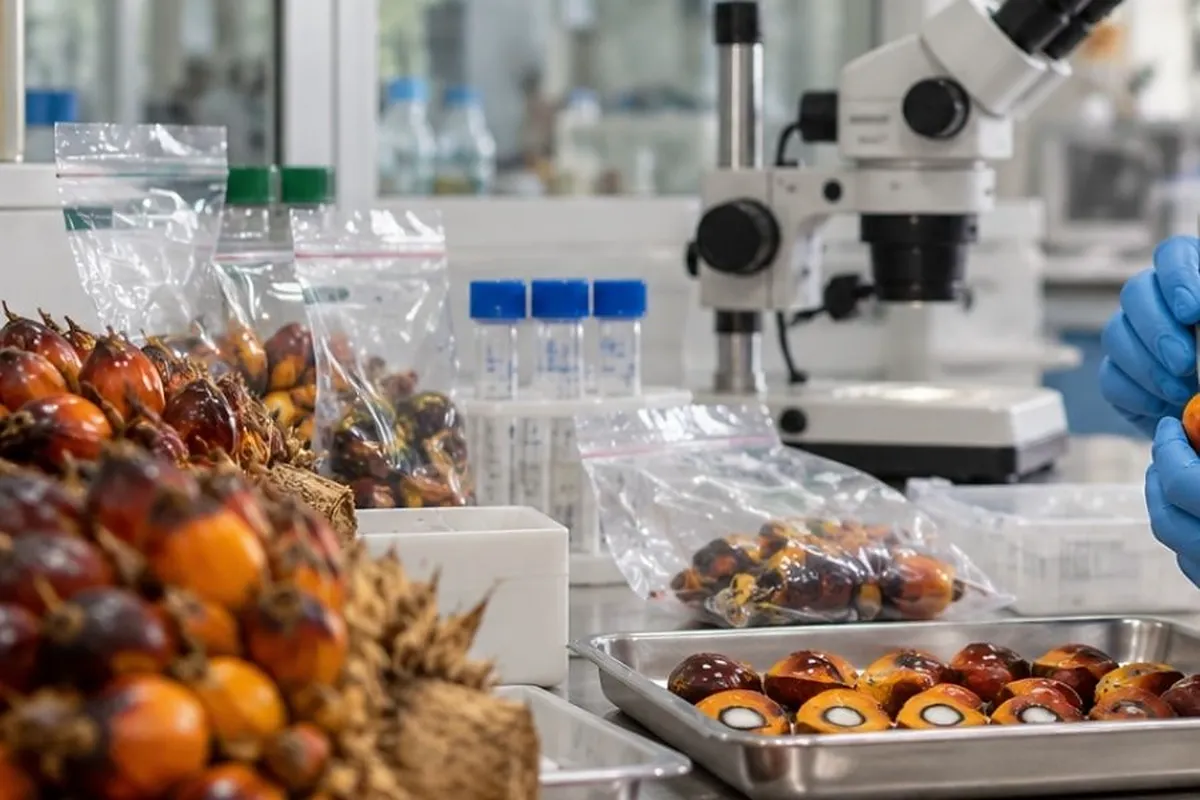
Indonesia itself has already started moving in this direction. Several digital tracing initiatives have been developed, particularly for the agricultural sector including palm oil. In fact, the Ministry of Agriculture (Kementan) has also begun using DNA tracing technology to ensure the quality of oil palm seeds. Through this technology, the identity of the parent tree can be traced, ensuring that the seeds used are truly superior and quality-assured from the start. This is important because the quality of palm oil products heavily depends on their foundational seeds.
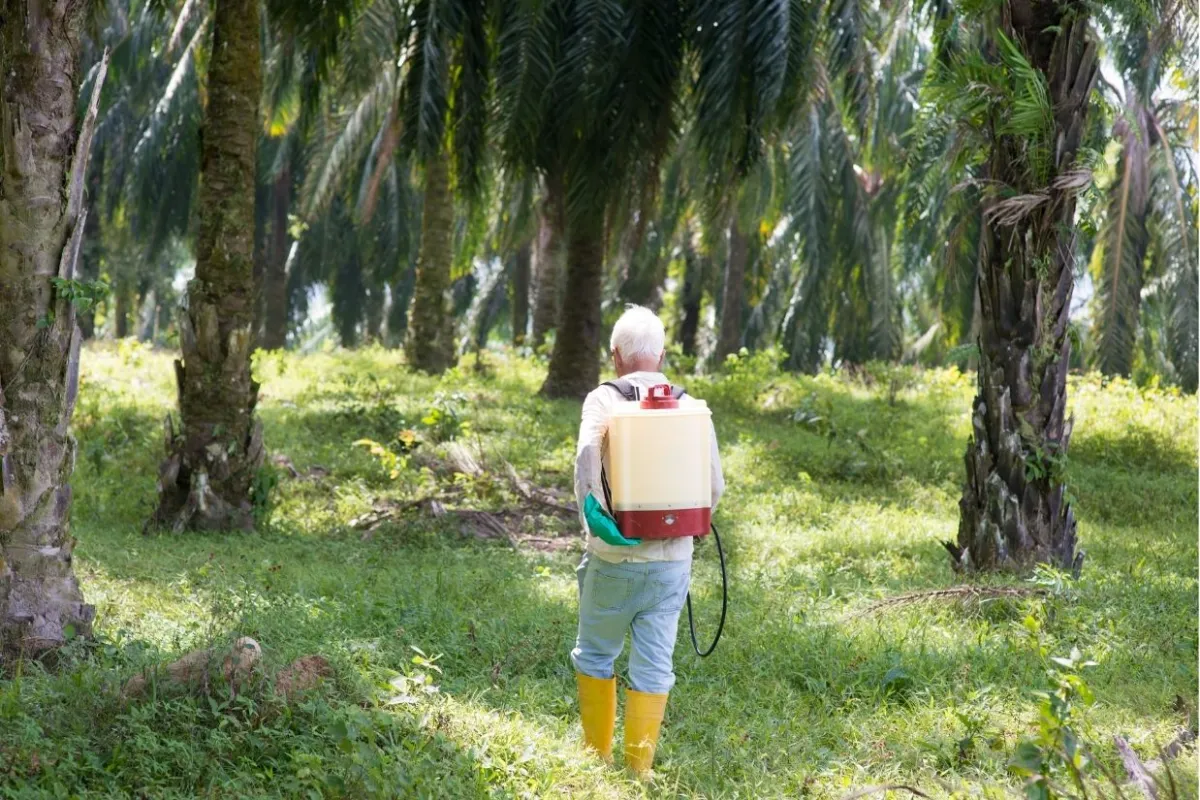
Although the direction and goals are clear, the journey there is certainly not without challenges. One of the obstacles that often arises is the technological gap among business actors. The palm oil industry in Indonesia consists of both large players and small independent farmers. Independent farmers often do not have sufficient access or understanding to use such digital systems. Therefore, the approach must be inclusive. Support, training, and facilities are needed so that all parties can actively participate in this system, without anyone being left behind.
Moreover, it is also important to ensure that this digital tracing can be connected with existing systems. For instance, certification systems like RSPO and existing national regulations. If they can be integrated, the audit and verification process becomes more practical and efficient, without adding administrative burdens to industry players.
Behind all these challenges, great opportunities await. With an open and trustworthy system, the image of Indonesian palm oil can improve in the eyes of the world. Consumers and trading partners will be more confident because they know that Indonesian palm oil products are processed responsibly and sustainably. It's not just about complying with regulations, but also about building long-term trust.
In the end, digital tracing is not just about technology. It is a strategic step towards a stronger, more modern, and globally respected Indonesian palm oil industry. With cooperation between the government, academia, industry players, and farmers, we can create a palm oil ecosystem that is not only economically beneficial but also brings great benefits to the environment and society.