Managing Water After Drought: Water Management Strategies to Maintain Oil Palm Productivity
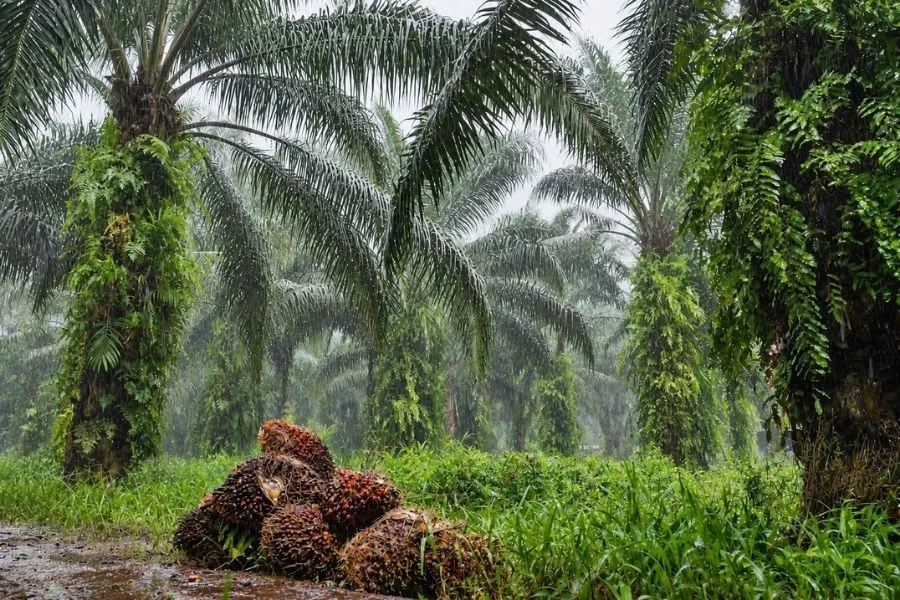
The BMKG predicts that the rainy season of 2026/2027 will gradually begin in November 2026. After a prolonged dry period due to El Nino and IOD, the arrival of rain is certainly a breath of fresh air for oil palm farmers. The return of water to the plantations helps restore soil moisture, supports nutrient absorption, and provides space for the plants to grow more optimally again.
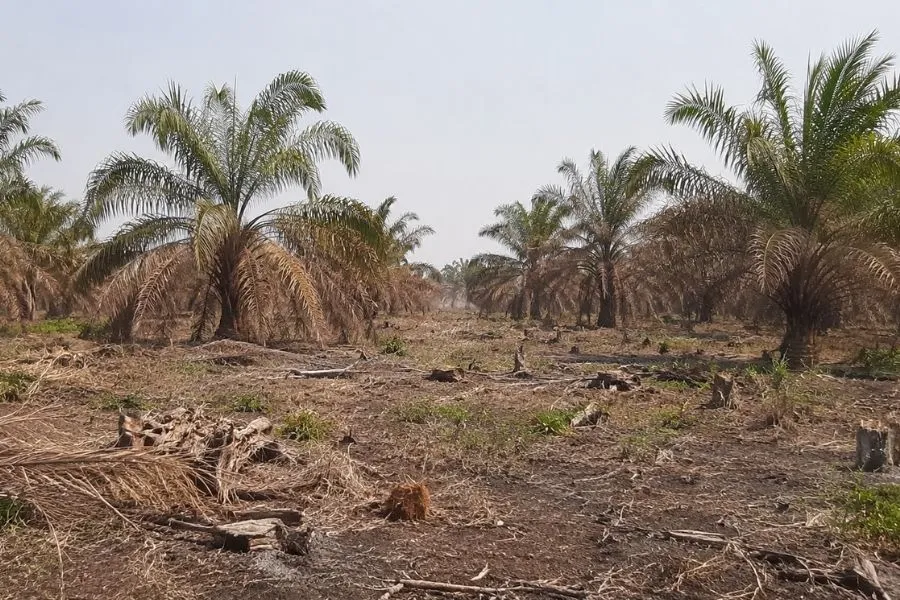
For oil palm, water availability is crucial for the plant's ability to grow and produce. When the dry season lasts long enough, the water reserves in the soil decrease, and the plants may experience stress. The impact is not always immediately visible, but it can affect the formation and development of flowers, the balance of the sex ratio, fruit development, and even the production of fresh fruit bunches in the next period. Therefore, the presence of rain in the next period will be an important momentum to help the plantations enter the recovery phase after El Nino and IOD.
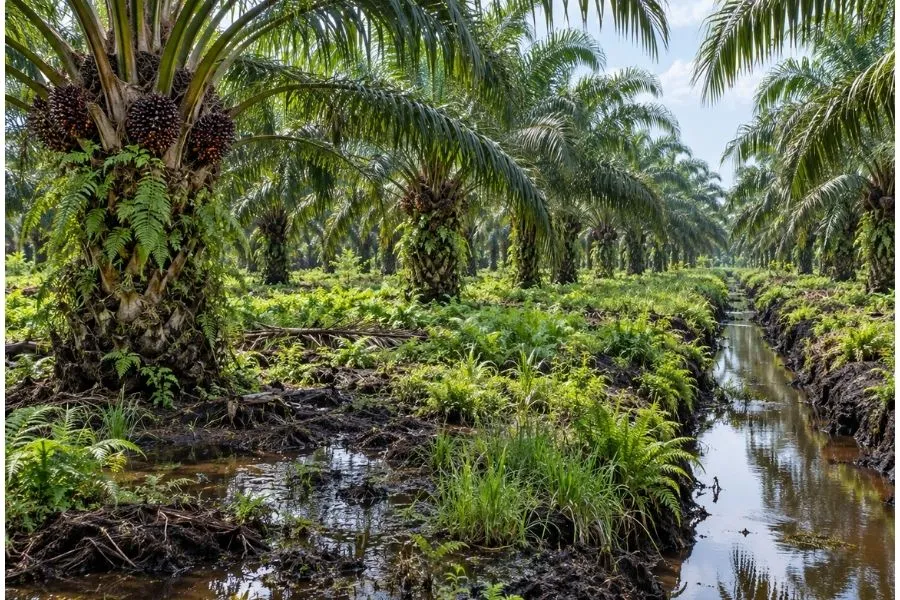
However, rainwater still needs to be managed properly. Rain that falls after the dry season should not be allowed to simply pass through the plantations, but it should also not cause flooding. This is where water management becomes important. Oil palm farmers need to ensure that water channels, ditches, and drainage points are not blocked, so that water can flow properly and does not disturb the plant roots.
One effort that can be made is to enhance the plantation's ability to absorb and store water. Practices such as creating rorak, using fronds as mulch, maintaining soil organic matter, and improving plantation water management can help extend the availability of water around the plants. With proper management, rainwater does not just become surface runoff but can be utilized as a reserve for the plants when dry conditions return.
The benefits of water conservation through plantation management have also been demonstrated in several studies. A study by Institut Pertanian Bogor showed that in oil palm plantations in Lampung, the application of rorak combined with infiltration pits and vertical mulch was able to reduce surface runoff by approximately 52.86% compared to untreated land. These results indicate that water conservation practices can help maintain water availability in the plantations, increase the chances for plants to continue growing and producing optimally, and minimize the risk of increased sedimentation in drainage channels. When soil moisture conditions become supportive again after a dry period, maintenance activities such as fertilization can also be carried out to meet the nutrient needs of the plants. However, its implementation still needs to consider weather conditions and water availability so that nutrients can be utilized effectively.
Fertilization requires consideration of soil conditions and groundwater availability. This is because fertilizer, when applied, faces the risk of being lost or wasted if heavy rain (> 35 mm) occurs afterward, which risks causing material losses for the company, and the plants also do not receive the nutrients they need as most are carried away by water flow. Therefore, the application of the 5T fertilization principle (right type, right dose, right time, right method, and right place) becomes important to ensure that nutrients can be optimally utilized by the plants. Especially the aspect of right time is one of the factors that need to be considered so that fertilizer is not lost due to unfavorable weather conditions.
With fertilization carried out correctly, the nutrient needs of the plants can be met, thus supporting soil health, plant growth, and increased production. Thus, the rain that returns after the dry period not only becomes a water source for the plants but also an opportunity for oil palm plantations to recover if managed well.