← News
June 23, 2025357 views
Exploring the Potential of Vitamins from Palm Oil to Prevent Stunting
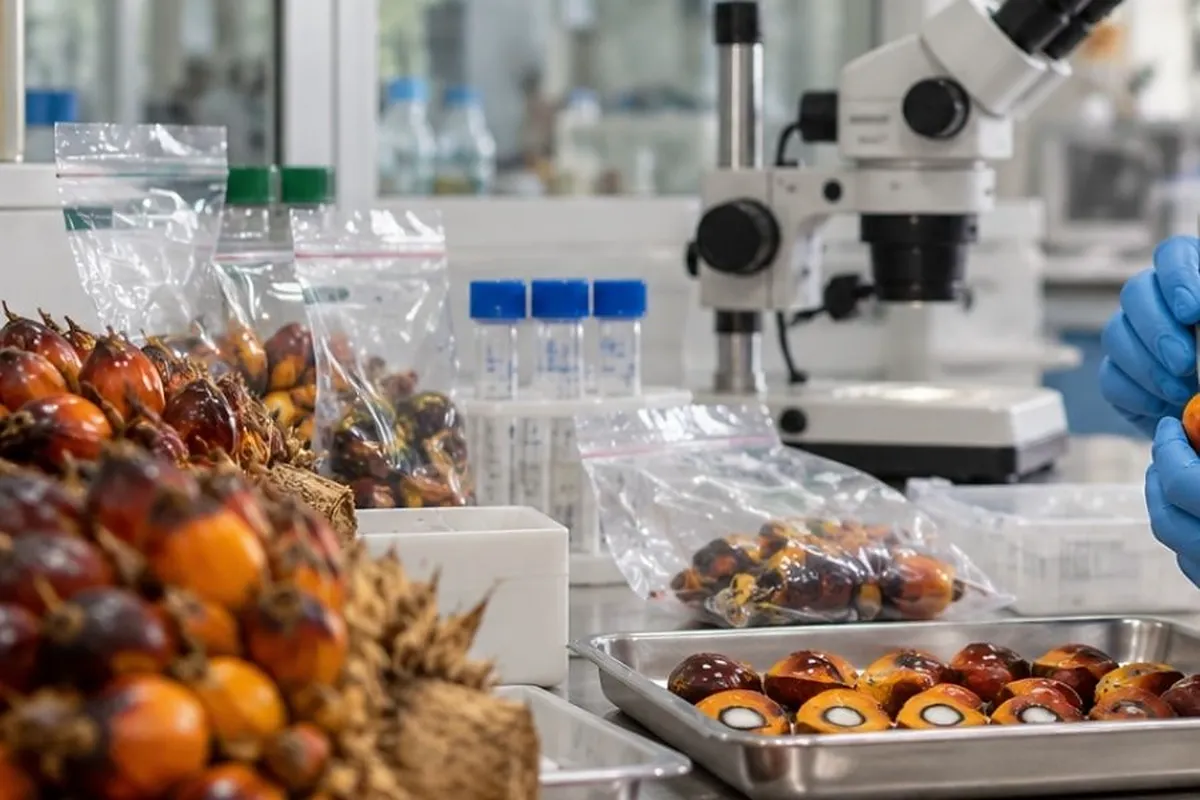
The potential for downstream development of oil palm in Indonesia remains very large. One of the potentials currently being developed is the production of beta-carotene (pro-vitamin A) and tocopherol (vitamin E) from oil palm fruit. This research is part of a collaboration between the Indonesian Palm Oil Community (MAKSI) and PT Kimia Farma Tbk, which began in the second week of May (5/9).
According to Hortus Magazine, the Director General of Agro Industry at the Ministry of Industry (Kementerian Perindustrian), Putu Juli Ardika, described this research collaboration as a strategic step to support the nutritional needs of the community. This palm oil-based health product is expected to contribute to addressing stunting and wasting, while also responding to the directive of the President of Indonesia to optimize the role of palm oil in maintaining national nutritional resilience. According to UNICEF, wasting is a condition of underweight due to acute malnutrition in a short period, while stunting occurs due to chronic malnutrition that causes children to grow shorter than they should.
Palm oil itself is known to contain various important nutrients such as beta-carotene, tocopherol, MCT (Medium Chain Triglyceride), squalene, and antioxidants that are beneficial for the immune system. Unfortunately, the chemical refining process in the modern palm oil industry actually removes most of these nutrients. As a result, the need for vitamins A and E is more often met from synthetic supplements or other sources.
Although this research is an important breakthrough, Indonesia still lags behind Malaysia in the development of palm oil downstream products. According to palm oil industry expert, Sahat Sinaga, as of 2023, Indonesia has only produced about 179 types of palm oil derivative products. In contrast, Malaysia has developed more than 260 types of products, including tocotrienol and tocopherol, which are components of vitamin E.
Tocotrienol is known to have strong antioxidant activity, including the ability to counteract free radicals, prevent DNA and cell damage, and suppress tumor formation. Meanwhile, tocopherol plays an important role in fertility and bone tissue formation. The market price of tocotrienol is also relatively high, reaching around US$800 per kilogram, or equivalent to IDR 12.6 million (exchange rate IDR 15,774/US$).
Putu believes that the pioneering collaboration between MAKSI and Kimia Farma could become a new milestone in the development of the national agro-industry. Meanwhile, the Chairman of MAKSI, Dr. Darmono Taniwiryono, highlighted that for more than a century, the industry's focus has only been on the fat from oil palm fruit. In fact, oil palm fruit also contains carbohydrates, protein, vitamins, minerals, and polyphenols that are equally important.
“Why has only fat been produced so far? Because the market has been established since the Industrial Revolution in Europe, and has since developed into various fat-based derivative industries,” Darmono stated in his statement quoted by Sawit Indonesia (6/3).
According to GAPKI research, palm oil (both in the form of CPO and red palm oil) contains 15 times more vitamin A than carrots, and almost 100 times more than bananas, for the same volume. Scientific studies also support this. Several studies (Nagendran et al., 2000; Mayamol et al., 2007; Mukherjee & Mitra, 2009; Dauqan et al., 2011) state that palm oil is “the world’s richest natural source of carotenoids.”
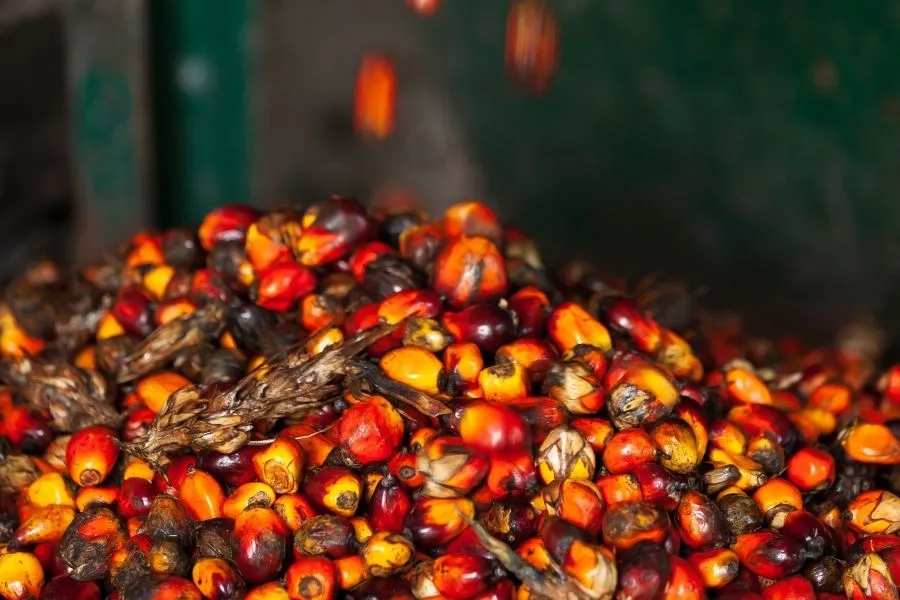
Beta-carotene in palm oil acts as an antioxidant, precursor, and the main natural source of vitamin A. The high carotene content is also what gives red palm oil its reddish-orange color. Several studies show that vitamin A from palm oil is medically beneficial, from preventing blindness due to vitamin A deficiency, strengthening the immune system, to helping improve the nutritional status of children in areas prone to stunting. These findings are also reinforced by reports from GAPKI and study results published by various research institutions and media such as Hortus Magazine. ()