Transforming EFB Waste into Strategic Solutions for Sustainable Agriculture and Energy

Empty oil palm fruit bunches (EFB) are one of the largest biomass wastes produced by the palm oil industry in Indonesia. The volume of this waste is abundant: from every ton of fresh fruit bunches (FFB) processed in a palm oil mill, about 22–25% or equivalent to 0.22–0.25 tons is EFB. According to FAO data (2024), Indonesia's FFB production reaches 256 million tons per year, which means the national potential for EFB waste is estimated to reach 56–64 million tons annually.
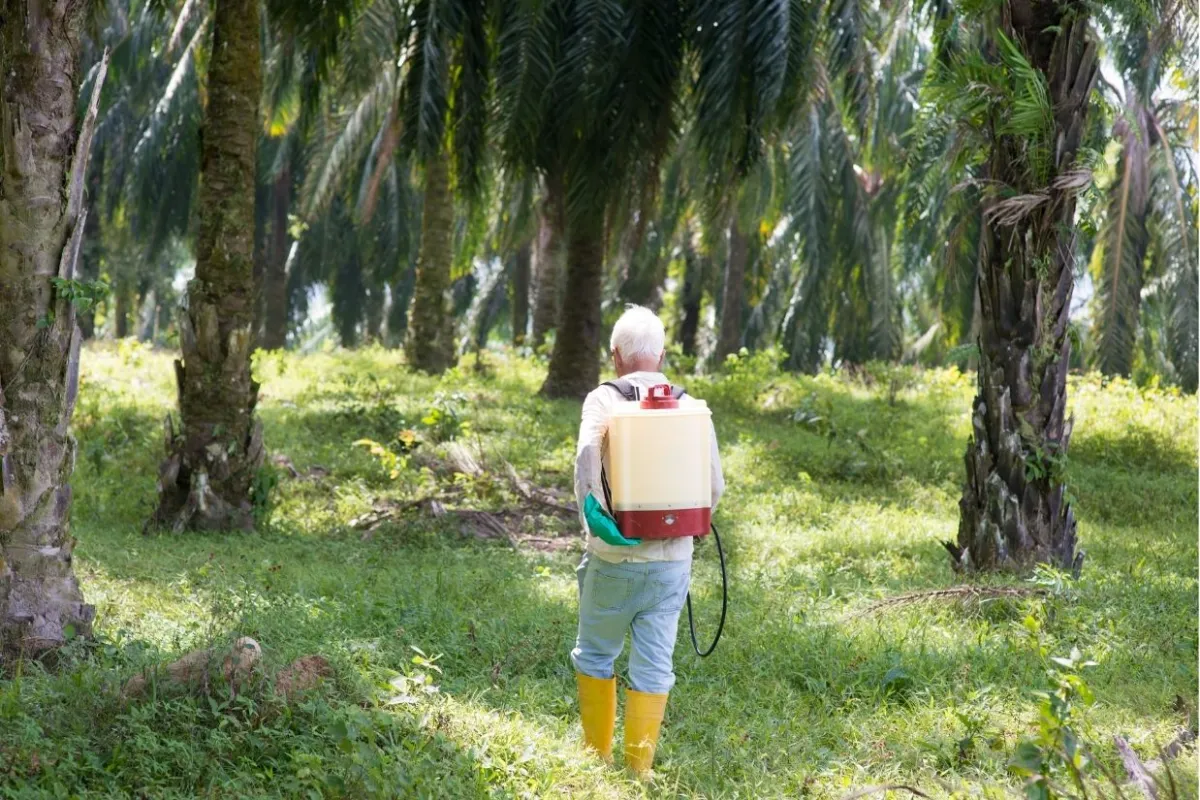
So far, fresh EFB is generally only utilized by smallholders as mulch or ground cover, by spreading it under immature plants (TBM) and mature plants (TM), at a dosage of about 20–45 tons per hectare per year. Although this method is useful for maintaining soil moisture and adding organic matter, its decomposition process is slow, nutrients are not immediately available to plants, and its handling requires inefficient logistics. Furthermore, poorly managed EFB piles can become breeding grounds for the rhinoceros beetle (Oryctes rhinoceros), one of the main pests of oil palm.
With the development of thermal technology, EFB can now be converted into biochar through the pyrolysis process—heating organic material at temperatures of 350–600°C in low-oxygen conditions. This process produces three main products: solids (biochar), liquids (bio-oil), and gases (syngas). From every ton of dry EFB, about 200–300 kg of biochar can be obtained, depending on the moisture content and process efficiency.
Pyrolysis technology is currently available in various scales and can be applied in palm oil production centers, whether by farmer cooperatives, palm oil mills, or downstream industry players. With a calorific value of about 20–25 MJ/kg, biochar has the potential to be used as a solid fuel or briquette to replace low-quality coal.
More than just an energy source, biochar also offers significant benefits in the agricultural sector. The microporous structure of biochar can enhance soil cation exchange capacity, improve water retention, and support beneficial microbial life. The application of biochar on oil palm land at a dosage of 5–10 tons per hectare per year can provide agronomic benefits equivalent to, or even higher than, the use of raw EFB at 40 tons per hectare—with a much lighter logistical burden. Biochar can also be combined with compost or other organic fertilizers to increase nutrient uptake efficiency and reduce dependence on chemical fertilizers.
The utilization of EFB into biochar also opens cross-sector economic opportunities, including energy and environment. In the energy sector, biochar can be used as a solid biomass fuel or mixed in co-firing processes in the cement industry, biomass-based power plants, and other industrial sectors. Meanwhile, in the environmental sector, the adsorptive properties of biochar make it an effective filtration medium in wastewater treatment, heavy metal remediation, and water purification. From a climate mitigation perspective, each ton of biochar returned to the soil can sequester about 2.5–3 tons of CO₂ equivalent, which can be claimed as carbon credits in the voluntary carbon market, with potential economic value between USD 5–30 per ton of CO₂.
Compared to the conventional practice of utilizing fresh EFB, which is valued at only around IDR 300,000–600,000 per hectare per year (equivalent to USD 19–38), converting EFB into biochar clearly presents a much greater economic potential.
In addition to biochar, EFB also has the potential to be developed into renewable fuels such as bioavtur or Sustainable Aviation Fuel (SAF). Through Fischer-Tropsch technology—one of the conversion pathways recognized by ASTM—EFB is converted into synthesis gas, which is then processed into jet fuel. This approach not only supports the decarbonization of the aviation sector but also adds value to palm waste that was previously discarded.
For years, EFB was considered useless waste—left to rot under trees without being optimally utilized. Yet, it holds great potential: improving soil fertility, increasing fertilizer efficiency, providing clean energy, and contributing to carbon emission reduction. Perhaps now is the time to stop seeing waste as a burden and start managing it as a valuable resource.
Because behind the dark color of biochar, there is a bright hope burning—for a more sustainable earth, more prosperous farmers, and a more dignified Indonesian palm oil industry. ()