← News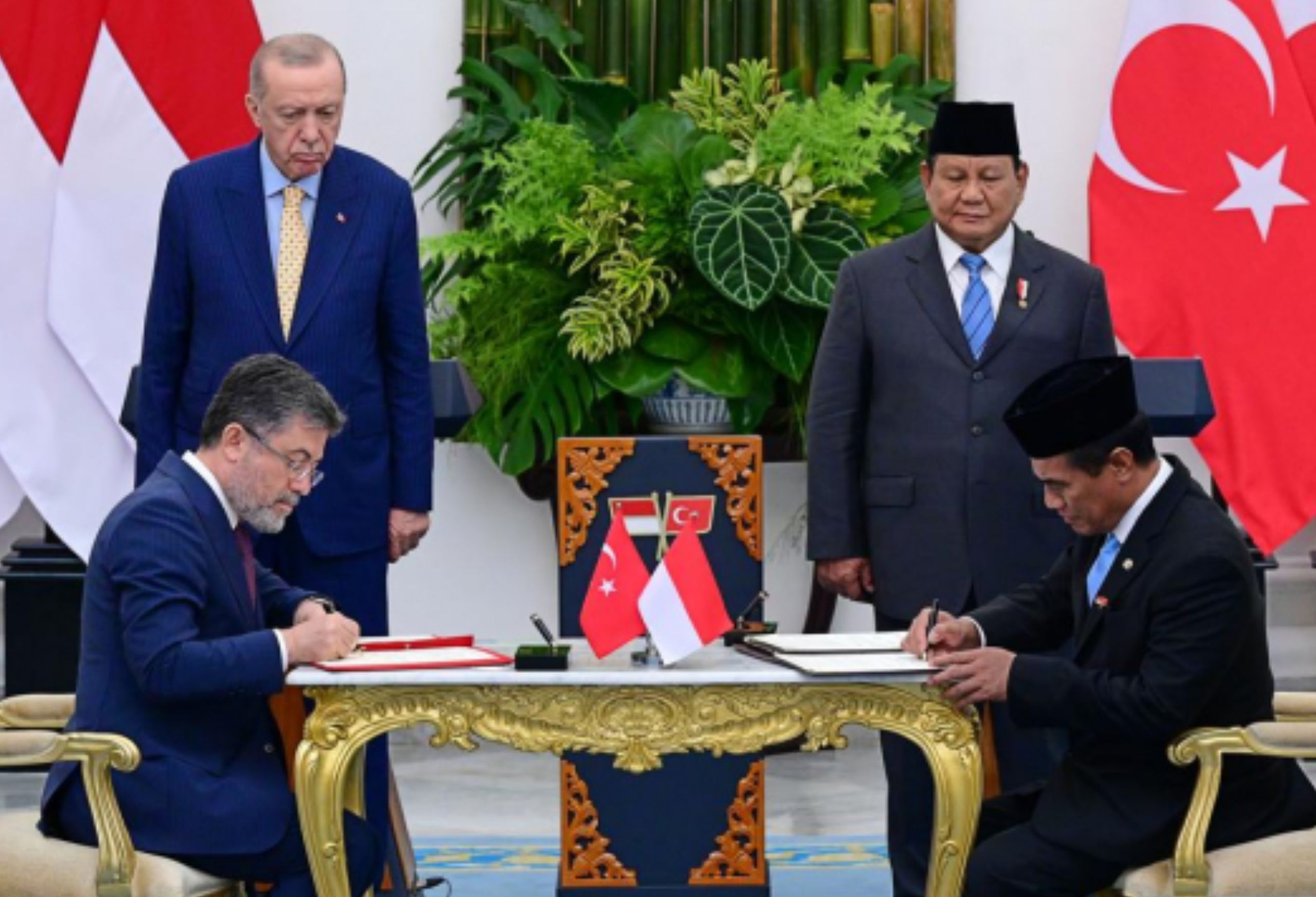
March 4, 2025386 views
Exploring Indonesia's Palm Oil Export Potential to Turkey
The signing of the Memorandum of Understanding on Agricultural Cooperation between the Ministry of Agriculture of Indonesia (Kementan) and Turkey (12/2) can be interpreted as a positive sign for the future of Indonesia's oil palm industry in the country spanning two continents. This is because, in recent years, Turkey has become increasingly dependent on imports of vegetable oil products. The opportunity to increase export volume is wide open.
Turkey is reportedly facing challenges in meeting its domestic vegetable oil needs, especially sunflower oil. With a significant production shortfall due to dry weather, the country has become heavily reliant on imports to stabilize its domestic supply. To facilitate this need, the Turkish government has even set lower import duties for sunflower seeds and several other crude oils from January to April 2025.
For information, Turkey's total vegetable oil consumption in 2024, according to USDA data, is estimated to reach 3.5 million tons. Of this total, sunflower oil dominates with 1.8 million tons. Meanwhile, Turkey's vegetable oil production capacity in the same year only totals around 2.5 million tons. Thus, there remains a significant vegetable oil shortfall of up to 1 million tons.
Indonesia's CPO exports to Turkey have been relatively small. For instance, during the January-November 2024 period, according to BPS data, it amounted to 112,600 tons with a value of US$ 195.1 million. The MoU between the Ministry of Agriculture of Indonesia and the Ministry of Agriculture of Turkey can serve as a strategic momentum to encourage an increase in export volume to Turkey. Turkey's need for imported vegetable oil opens up opportunities for CPO to become a considered alternative.
However, there are several challenges to boosting Indonesia's CPO exports to Turkey. Among them is that consumers in Turkey have a preference for other vegetable oils, such as sunflower seed oil, which is considered healthier or more suitable for their culinary habits. Additionally, like its European neighbors, Turkey is also quite serious about environmental issues. A proper strategy is needed to influence Turkish consumers' perceptions of CPO.
Similar to the CPO market in Canada, even though the Indonesia-Canada Comprehensive Economic Partnership Agreement (IC-CEPA) has been established, eliminating import tariffs, increasing CPO export volume to the maple leaf country remains challenging. Canadian consumers tend to prefer soybean oil and canola oil. According to BPS data, in 2023, or before the implementation of IC-CEPA, Indonesia's CPO exports to Canada reached 244,800 tons.
Despite the obstacles, the Agricultural MoU agreement and the increasing vegetable oil needs of Turkey should still be optimistically viewed as opportunities. Strategic approaches such as promoting sustainability, environmentally friendly certification, and market education are key to enhancing CPO competitiveness. If various supporting factors can be maximized, it is not impossible that CPO exports and other leading plantation products to Turkey will grow significantly in the coming years, benefiting Indonesia's palm oil industry while supporting global food security. ()