Approaching 2027, CPO Enters Strategic Commodity Exchange Radar
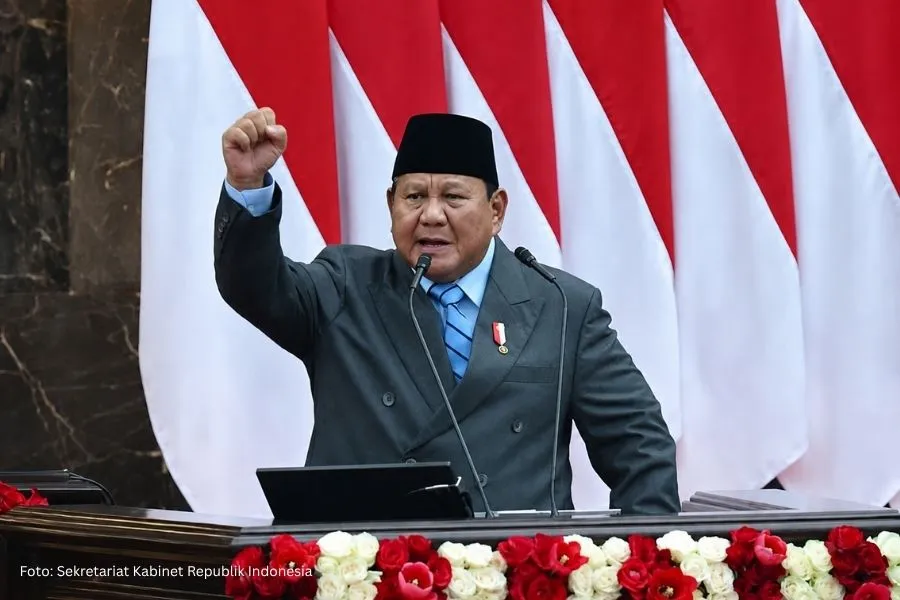
Approaching 2027, the plan to establish the Strategic Mineral and Commodity Exchange is starting to gain attention. President Prabowo Subianto announced this plan in his introductory speech for the 2027 State Budget Bill and Financial Note at the House of Representatives on August 14, 2026. This exchange is targeted to operate on January 1, 2027, and is aimed at strengthening Indonesia's position in the global strategic commodity trade. The government wants Indonesia not only to be a producer but also to have a greater role in the price formation of major commodities.
CPO is also in the spotlight because oil palm is included in the list of important Indonesian commodities. In the speech, President Prabowo Subianto placed oil palm alongside nickel, tin, coal, gold, coffee, and rubber as strategic commodities owned by Indonesia. Subsequently, Minister of State Secretary Prasetyo Hadi explained that CPO, nickel, and coal are examples of major commodities being considered for inclusion in the exchange, although the official list has not yet been decided.
The exchange is also projected to be named the Indonesia Commodity Exchange or Icomex. Simply put, its mechanism is described as resembling a stock exchange. However, the government is still studying the institutional form and the possibility of integrating it with the Indonesia Commodity and Derivatives Exchange or ICDX, which has been operating earlier. This means that the exchange plan not only concerns the list of commodities but also the institutional design, transaction mechanisms, and efforts to strengthen Indonesia's position in determining the prices of its strategic commodities.
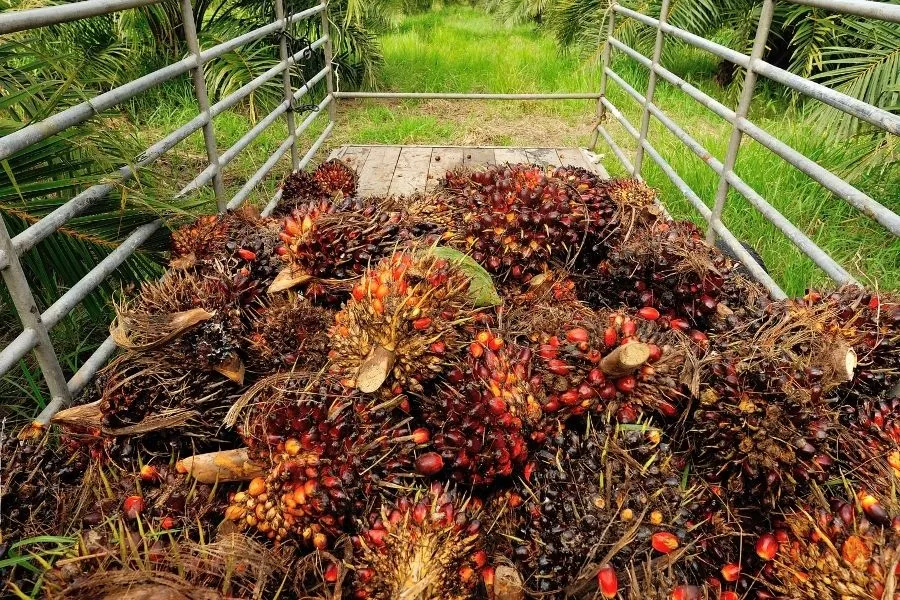
For palm oil, the mention of CPO in the Strategic Commodity Exchange plan indicates that palm oil is increasingly being placed as part of the larger agenda of national commodity governance. CPO is not only an export commodity but also an important raw material for food, energy, oleochemicals, and downstream industries. The movement of CPO prices also affects the price of fresh fruit bunches at the smallholder level, the performance of processing industries, biodiesel programs, and state revenue from exports.
This exchange plan also does not emerge in a vacuum. Previously, the government issued Government Regulation Number 24 of 2026 concerning the Governance of Strategic Natural Resource Commodity Exports. In the initial stage, the regulated commodities include coal, oil palm, and ferro alloy. This shows that palm oil has already been included in the strategic commodity export governance agenda before the exchange plan re-emerged as an instrument for price formation and transaction recording.
Institutionally, the Strategic Mineral and Commodity Exchange has also received a supervisory foundation. Law Number 4 of 2026 adds the task of the Financial Services Authority to regulate and supervise the strategic mineral and commodity exchange. This means that the exchange is not only a trade discourse but is starting to be placed within the regulatory framework of the financial sector and market supervision.
If CPO is eventually included in the exchange, its main opportunity is to strengthen price transparency, transaction recording, and market data. Indonesia is the world's main palm oil producer, but CPO price formation is still heavily influenced by global market dynamics. The exchange can become a space to build an Indonesian reference price that better reflects domestic supply, demand, quality, and cost conditions.
However, this opportunity heavily depends on the policy design. The palm oil supply chain involves smallholders, oil palm mills, traders, exporters, downstream industries, and biodiesel programs. Therefore, the exchange should not just become a new administrative obligation. Transaction mechanisms, quality standards, relationships with global prices, integration with the export system, and its impact on smallholders need to be clarified from the outset.