← News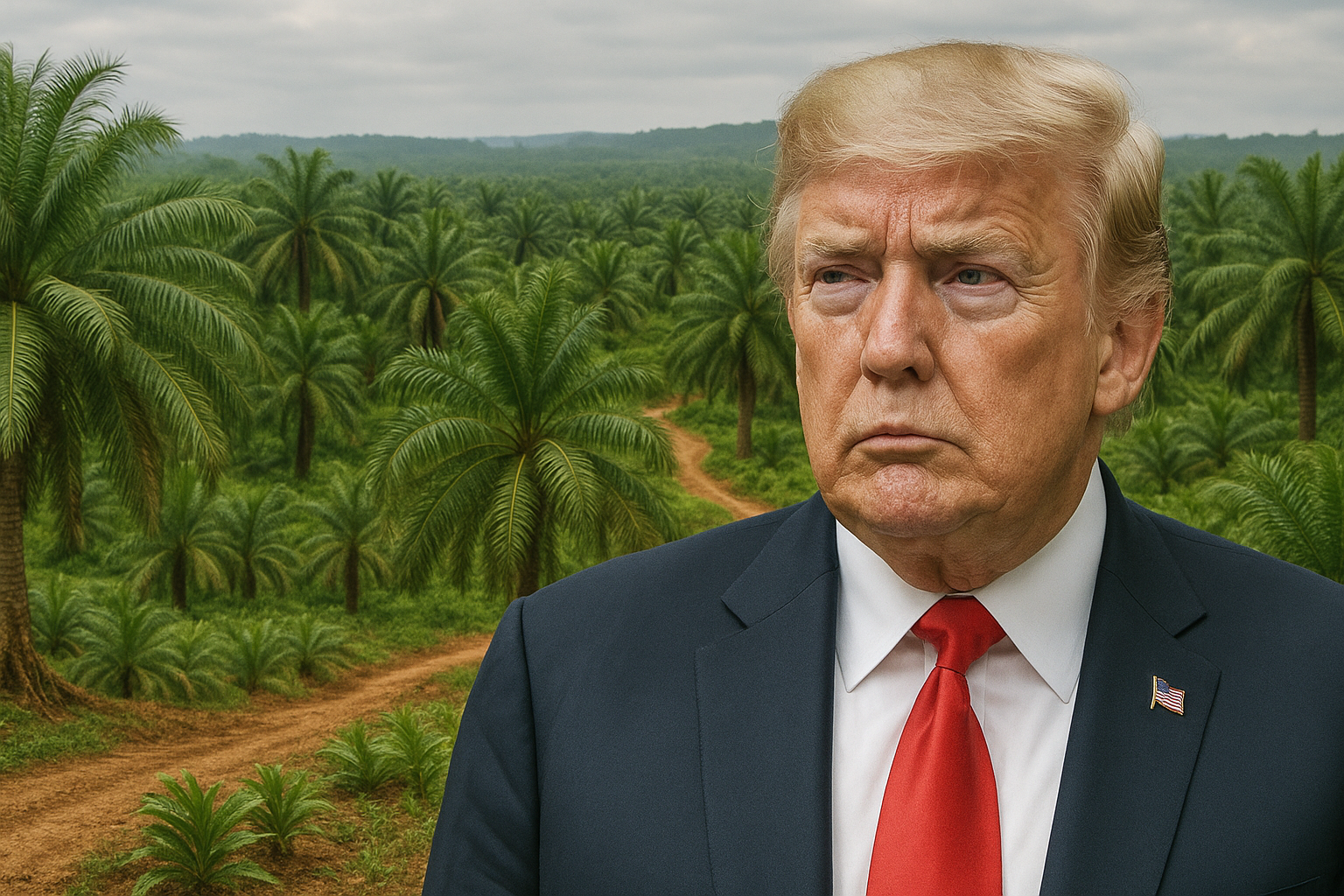
August 4, 2025566 views
The Fate of Palm Oil Under Trump's Unilateralism
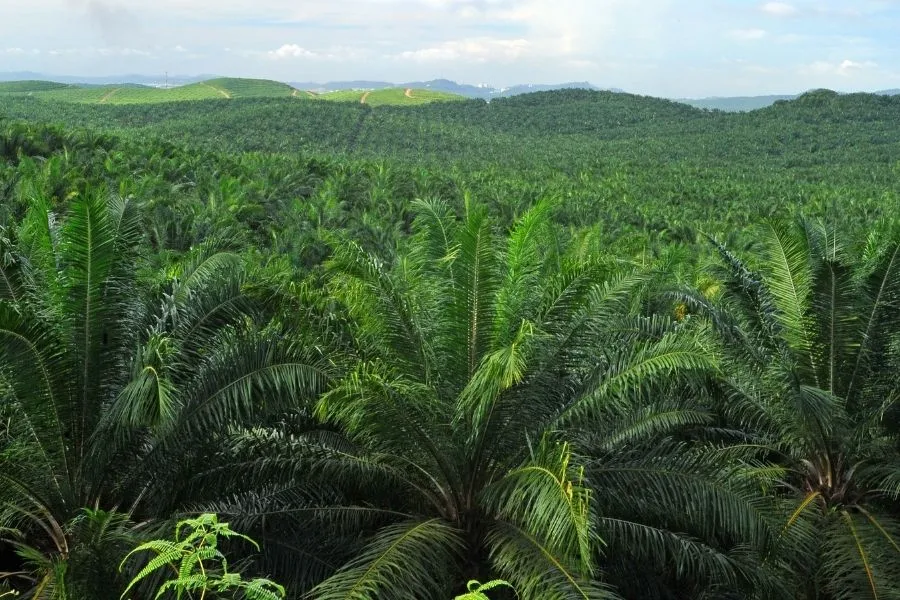
The United States is one of the export destinations for our palm oil products. Inevitably, Indonesia is trying by all means to maintain this and make America import as much palm oil as possible. However, remember, all of this will only be realized if our palm oil prices are competitive as a result of Trump's tariffs, which continue to change very rapidly.
The trouble is, Trump seems to make Indonesia a trading partner that must "pay" for the trade deficit experienced by America over the past decade. Trump, as the leader of a superpower, has even changed the direction of world trade, which initially prioritized multilateralism, to unilateralism. As a result, GATT, which was initially touted as the guardian of fair international trade, now almost lacks teeth or claws.
With the slogan "America First," Trump pressures all his trading partners to engage in direct bilateral negotiations. However, in the end, he alone determines the entry tariffs for commodities from other countries, while American products can enjoy zero tariff when entering partner countries' markets. The power to pressure as a superpower makes everything possible, so if all this is realized, America will reap significant benefits.
As if unable to refuse, the world follows this play pattern unconditionally. In the end, each country receives different tariffs based on America's national interest, not based on a fair market mechanism. Uniquely, for countries that do not want to negotiate tariffs with America, Trump imposes tariffs at his discretion, between 15%-20%.
The size of the market makes many countries "submit" to American pressure, even though there is hope to return to a more balanced global trading system. Especially since Trump's current term is only two years away. Many countries choose to hold back—suffering temporarily while waiting for a change in global leadership direction.
Indonesia itself is trapped in tough negotiations. Initially, Indonesian products entering the US were subject to a 32 percent tariff, while US products entering Indonesia remained at a 0 percent tariff. After lobbying and direct negotiations between President Prabowo and President Trump, it was finally agreed that Indonesia's export tariff would be reduced to 19 percent, with the reciprocal commitment of Indonesia purchasing several American products, including Boeing aircraft.
In terms of palm oil, the 32 percent figure is clearly unfriendly, considering our competitor country, Malaysia, which also produces palm oil, is only subject to a 25 percent tariff. Thus, with the tariff reduced to 19 percent, Indonesian palm oil products regain sufficient competitiveness in the US market.
In July, Indonesia and the US also signed a new trade framework that took effect in August, which not only included tariff adjustments but also cooperation in digital trade, environmental standards, labor, and security.
However, it wouldn't be Trump without surprises. Just as all parties were preparing for exports with the new tariffs, there was talk of an additional 10 percent for countries in BRICS, including Indonesia. This threat is based on Trump's suspicion of BRICS' efforts to form their own trade payment system outside the dominance of the US dollar. This means that if the threat is truly implemented, the tariff for Indonesian products entering America would jump to 29 percent.
The latest surprise, based on a White House statement titled "Further Modifying the Reciprocal Tariff Rates" (July 31), shows that Trump's latest tariffs indicate that Indonesia, Malaysia, Cambodia, the Philippines, and Thailand all face the bitter pill of a 19 percent tariff. In ASEAN, Brunei gets 25 percent, Laos and Myanmar 40 percent, and Vietnam 20 percent. This condition has certainly opened up fierce competition between Indonesia and Malaysia, especially in the palm oil sector.
The Indonesia-US trade structure also shows an imbalance. Indonesia's exports to the US are dominated by low value-added manufactured and mining products, such as furniture, textiles, mineral products, and footwear. Meanwhile, imports from the US are dominated by raw materials and capital goods. Although the official tariff has dropped to 19 percent, the potential value of Indonesia's exports to the US is actually expected to decrease by up to USD 9 billion.
The impact on the trade balance is very real. Indonesia's trade surplus with the US, which previously reached USD 11.7 billion in 2023 and was expected to reach USD 14 billion in 2024, is likely to shrink drastically to only around USD 5 billion. If imports of US products such as soybeans and their derivatives continue to be subject to zero tariffs, this surplus could even fall to USD 4.1 billion.
The pressure on the trade balance can impact Indonesia's current account deficit (CAD). Considering the US has contributed about one-third of our trade surplus, the shrinking surplus risks widening the CAD. Bank Indonesia estimates that the CAD in 2025 could widen from the previous estimate of 1% of GDP to 1.5%, and even 2.1% in 2026.
If the 10 percent addition on Indonesian products truly occurs, then our export fate there is like "falling down the stairs." We must accept the reality that US products enter Indonesia without import duties, while our exports struggle with high tariffs plus the obligation to purchase American products.
Now, everything is returned to the Indonesian Government under President Prabowo. According to the Coordinating Minister for Economic Affairs, there is still an opportunity to negotiate specifically for products that are not produced at all in America, such as palm oil and cocoa. We hope that Indonesia can escape the negotiation trap set by the United States and provide a wide opportunity for Indonesian commodities. ()