Imposition of Tax Per Oil Palm Tree: Pros and Cons in Riau

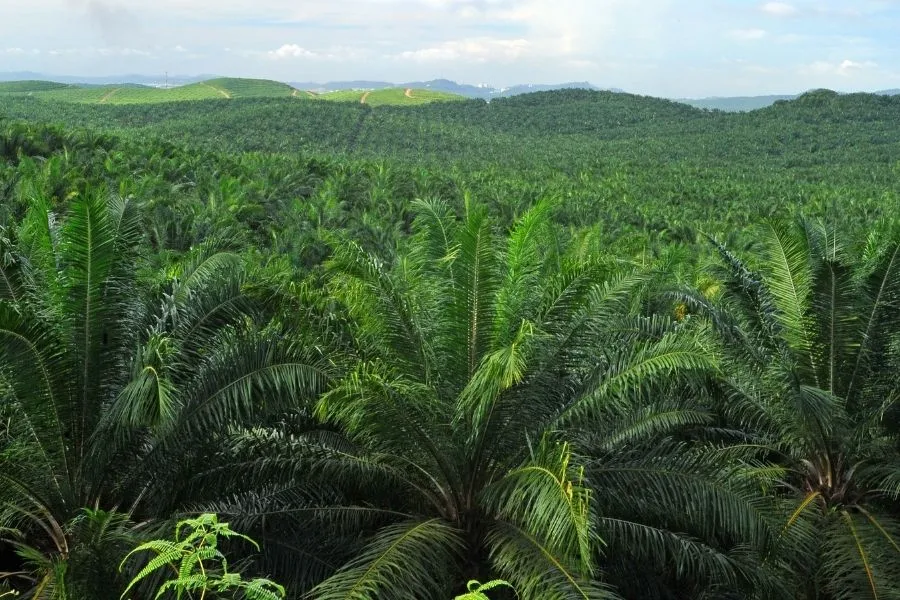
The Riau Provincial Government is planning a new policy that has caught the attention of the palm oil industry in the region. Under this plan, a tax will be imposed per oil palm tree, with the proposed rate reaching IDR 1,700 per tree per month. This policy aligns with the surface water tax (PAP) policy that will be applied to various plantations, including oil palm. This plan is included in the draft Regional Regulation (Ranperda) proposal being prepared by the Riau Regional House of Representatives' Special Committee on Regional Revenue Optimization.
The imposition of this tax is intended to increase regional revenue and ensure that the palm oil plantation sector contributes more significantly to regional development. However, this policy has not escaped protests and concerns from various parties, especially from palm oil associations. In an interview with local media, Rudi Khairul, Chairman of the Sawitku Masa Depanku Association (Samade), criticized this policy as unfair and targeting only oil palm. Rudi suggested that the surface water tax should also be applied to all types of plants that rely on surface water, such as acacia, eucalyptus, and sugar palm, not just oil palm. He also argued that the tax should be calculated based on the water needs of each plant or economic activity using it, not just targeting one commodity. "If you look at the regulation, it seems there is discrimination against palm oil, which will create a negative stigma on palm oil," he said in the interview.
The importance of viewing the tax more comprehensively was also conveyed by Husaimi Hamidi, a former member of the Riau Regional House of Representatives. In his statement to local media, Husaimi argued that although this tax is only applied to large companies, the policy could still create social jealousy between small farmers and large companies. He also highlighted the potential for misuse or corruption in the implementation of the tax, given the complex and unclear calculation mechanism. One of the challenges faced is the difficulty in counting the number of oil palm trees per hectare of plantation, especially considering the variation in the number of trees per hectare, as well as the issue of dead trees that are difficult to count accurately. According to Husaimi, calculating the number of trees per hectare is very difficult because one hectare of oil palm plantation can have a different number of trees depending on planting density and plantation conditions.
Concerns about the calculation of the tax per tree were also expressed by farmers and palm oil entrepreneurs who feel that the implementation of this tax will burden them, particularly due to the uncertainty in measurement and reporting methods. For example, in one hectare of plantation, the number of oil palm trees planted can vary greatly, depending on planting density and plantation conditions. Thus, if there are dead or unproductive trees, this can affect the number of trees counted and create uncertainty in tax determination.
Meanwhile, some parties support the idea that the government needs to reevaluate more potential sources of regional revenue. Besides the tax per oil palm tree, they highlight other sectors that can also become more stable sources of revenue, such as taxes on palm oil mills, which can provide larger and more easily regulated income. Revenue from downstream sectors like this is considered more measurable and fairer because it can reach all parties involved in the palm oil industry, both small farmers and large companies.
Overall, although the goal is to increase regional revenue, the imposition of the tax per oil palm tree raises various questions and challenges, especially related to fair implementation, calculation accuracy, and the potential broader socio-economic impact. This policy needs to be carefully reviewed to ensure that it does not burden small farmers and continues to support the sustainability of the palm oil industry in Indonesia, which is also one of the pillars of the national economy.