Middle East War Drives Plastic Prices, Palm Oil Bioplastic Offers Alternative
The escalation of conflict in the Gulf region at the end of February 2026 triggered disruptions in the flow of oil, naphtha, and petrochemicals through the Strait of Hormuz—a critical route for the global plastic raw material supply chain. The impact was not only an increase in energy prices but also a rise in logistics costs and "war risk" insurance premiums, which subsequently pressured the conventional plastic resin market (PE/PP/PET) in various regions.
According to Reuters, the disruption of oil and petrochemical flows through the Strait of Hormuz tightened global chemical supplies, driving prices of plastics such as PE and PP to soar sharply, reaching their highest levels in the past four years. This price increase was triggered by a surge in crude and feedstock costs as well as logistical uncertainties. Additionally, war insurance premiums for shipping in the Gulf region increased drastically, with the "hull war risk premium" rising from 0.25% to 3%. The Business Times reported that this conflict also restricted air and sea routes, causing air cargo rates to surge by up to 70% and more than 100 container ships to be delayed around the Strait of Hormuz, exacerbating supply chain issues, including for plastic resins.
Citing PlasticPortal.eu, plastic prices in Central Europe experienced a significant surge from February 2026 to March 2026, with HDPE and PP rising by about 33%, and LDPE film increasing by approximately 28%. The price of HDPE (injection) rose from around USD 1.33/kg to USD 1.77/kg, while the price of PP (homo) increased from around USD 1.39/kg to USD 1.86/kg. This increase is consistent with cost pressures due to the feedstock and logistics supply crisis caused by geopolitical tensions.
However, amid the surge in fossil plastic prices, palm-based bioplastics are emerging as an increasingly relevant alternative. The "most palm" substitution pathway generally does not use pure CPO but rather biomass/residues and by-products. PHA (polyhydroxyalkanoates), PLA (polylactic acid), and bio-PE are some examples of palm-based bioplastics that can be produced through various technologies. PLA is commonly used as a substitute for plastics like PET and polystyrene (PS) in food and beverage packaging, while PHA can replace conventional plastics like PP and PE, especially for single-use products requiring biodegradable properties. Unlike the others, bio-PE has properties identical to conventional polyethylene, allowing it to directly replace PE plastics in various applications without specification changes.
According to a market report by IMARC Group, the price of bioplastics such as PLA ranges from USD 2.5–3.5 per kg, while PHA can reach USD 4–9 per kg. Under normal conditions, conventional plastic prices range from USD 1–1.5 per kg, but in crisis situations, they can increase to nearly USD 1.8–2 per kg. Thus, although bioplastics are still relatively more expensive, the price gap is narrowing, making them increasingly economically competitive.
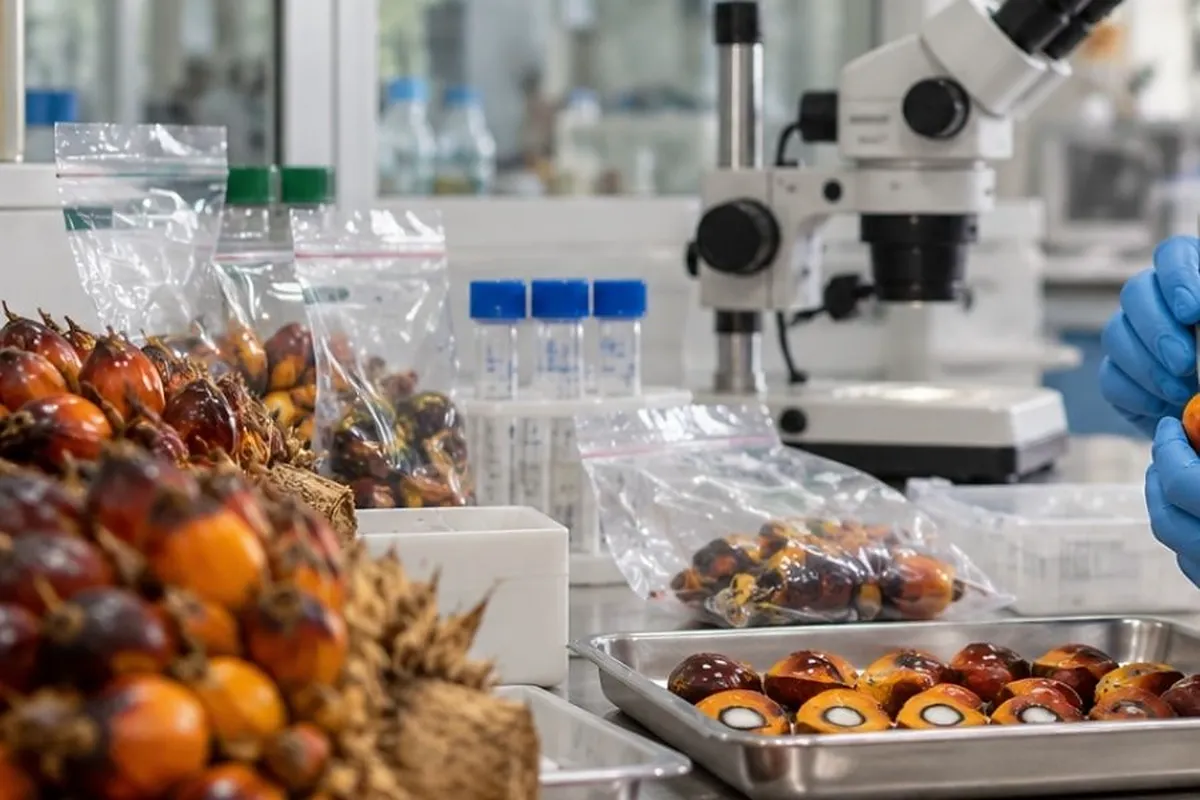
PHA is produced through microbial fermentation with a carbon source from palm oil or waste and can degrade in various environments, including seawater, making it an environmentally friendly alternative. PLA, which is generally based on lactic acid, can be produced from palm empty fruit bunch (EFB) cellulose, offering solutions for some conventional polymers. Meanwhile, bio-PE is produced through a bio-ethanol process that is dehydrated into ethylene and polymerized, with great potential if bio-ethanol is derived from palm biomass. Lastly, biodiesel by-products, such as glycerol, can be converted into bio-based resin precursors like epichlorohydrin, used in the manufacture of epoxy resins and other materials.
Palm-based bioplastics offer benefits in reducing dependence on fossil raw materials, although "biobased" does not always mean biodegradable; "compostable" is generally designed for industrial composting facilities. PHA, for example, can degrade in various environments, including soil, compost, and water. However, the risks include challenges in palm sustainability governance and certification credibility, where the implementation of RSPO standards requires traceability and compliance, especially for smallholders.
Additionally, the policy of increasing mandatory biodiesel (B40 to B50) in Indonesia may tighten the availability of CPO-based feedstock, making it more realistic to use palm biomass or residues for bioplastic production. Although specific data on CPO allocation for bioplastics is not found, palm bioplastics have the potential to become a more viable alternative in the short term for certain applications when fossil resin prices are high, with prospects for increased feasibility if production capacity, fermentation costs, and infrastructure continue to develop.