← News
August 25, 2025649 views
CPO Growth Slows, Time to Accelerate Smallholder Oil Palm Replanting
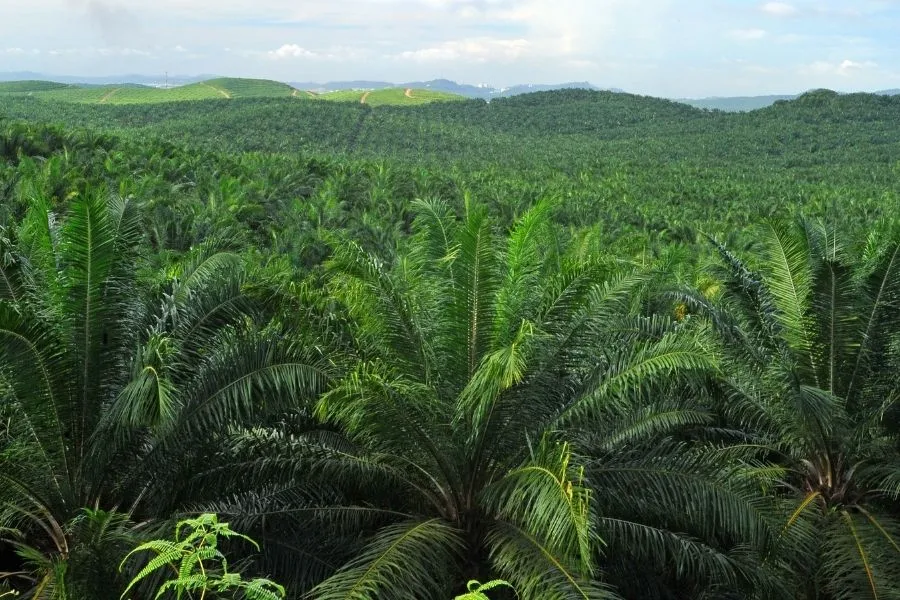
Indonesia remains firmly established as the world's largest palm oil producer, yet recent data reveals a trend of stagnating production growth. According to Reuters data, the national growth rate of Crude Palm Oil (CPO) over the past five years has been only about 1.04% per year. This figure lags significantly behind the average growth of other vegetable oils such as soybean (around 2.98%) and rapeseed, which reached 6.25%. This indicates the need for strategic attention to ensure Indonesian palm oil does not fall behind in the era of global competition.
This stagnation is further exacerbated by structural challenges such as the habit of using old plants, low investment in plantation recovery, and land constraints. Additionally, there is a trend of slowing export growth, driven by a weakening global economy, as evidenced by GAPKI data indicating that CPO exports are expected to stagnate due to weak demand. From a policy perspective, the push for biodiesel, such as the B40 program, indeed opens up new domestic markets, but without increased production, this opportunity could further limit export volumes.
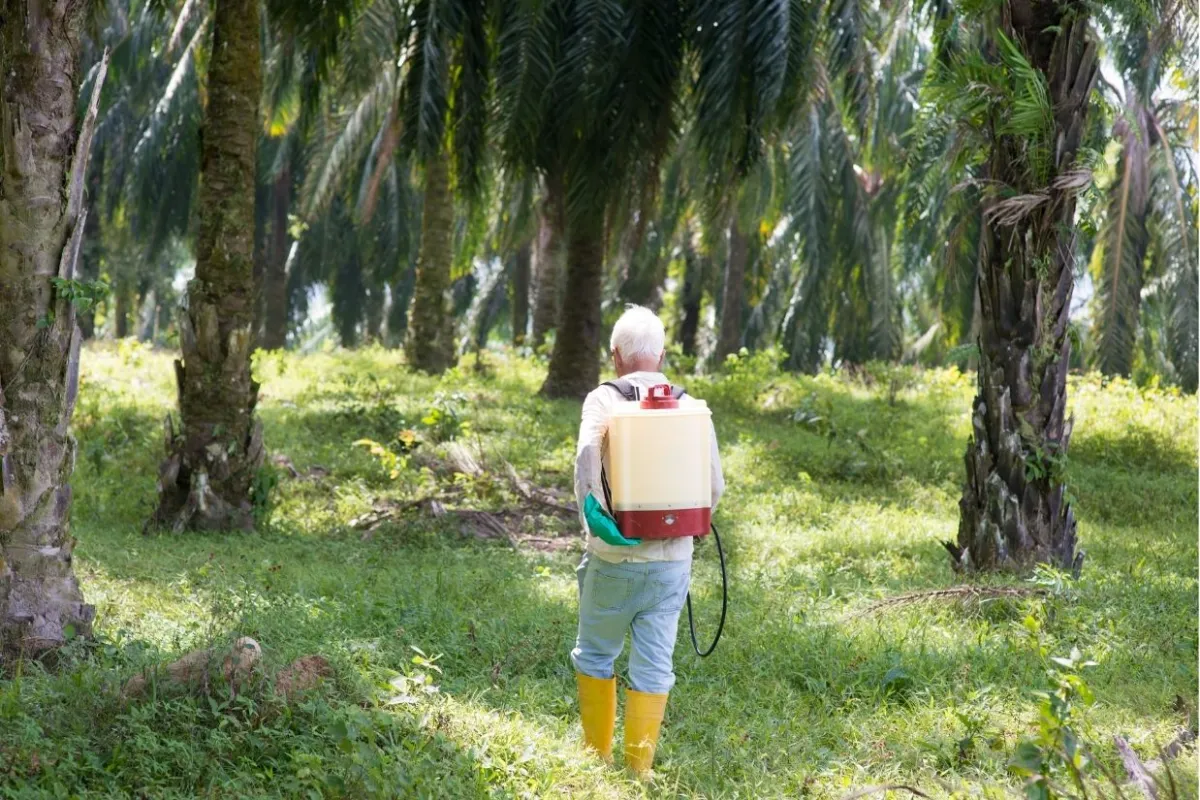
In response to this trend, palm oil stakeholders and farmers have formed a dialogue forum to unify their vision. The main focus of the discussion is to accelerate Smallholder Oil Palm Replanting (PSR) as a solution to increase productivity. Statistics from BPDP show that the productivity of smallholder palm oil is currently very low, only about 2–3 tons of CPO per hectare per year, due to the age of the plants. The national realization of PSR is still far from the target, less than 50% each year, implying the need for comprehensive acceleration.
Alternative strategies being attempted include flexible partnership schemes that allow farmers to replant with support for access to superior seeds, agronomic assistance, and an off-taker system exchange through large palm oil companies. This approach is designed so that farmers are not burdened alone with the initial investment and receive guidance until the plantation becomes productive again. This model has been implemented in certain areas with encouraging initial results and shared as best practice as reported by Media Indonesia.
According to experts from the Center for International Forestry Research (CIFOR), the challenge that arises is the slow pace of replanting, primarily because farmers' incomes decrease during the non-productive plant period. Many farmers are reluctant to start replanting due to financial risks. However, predictions indicate that without accelerated replanting, CPO production could potentially decline drastically in the coming decades.
Going forward, accelerating PSR must be a priority. The government and industry players need to expand access to green financing, strengthen agronomic training for farmers, and encourage the adoption of precision agriculture technology to increase plantation yields without the need for land expansion. Additionally, product diversification strategies, such as the development of palm oil for biojet or oleochemicals, could be options to add value while maintaining the momentum of palm oil-based economic growth (Jurnal Multidsiplin West Science, 2024). With an integrated approach between production, policy, and innovation, Indonesia can fully harness the potential of palm oil, safeguard food and energy sovereignty, and improve farmer welfare in the future.