← News
August 15, 2025191 views
POME: Waste Turned Blessing
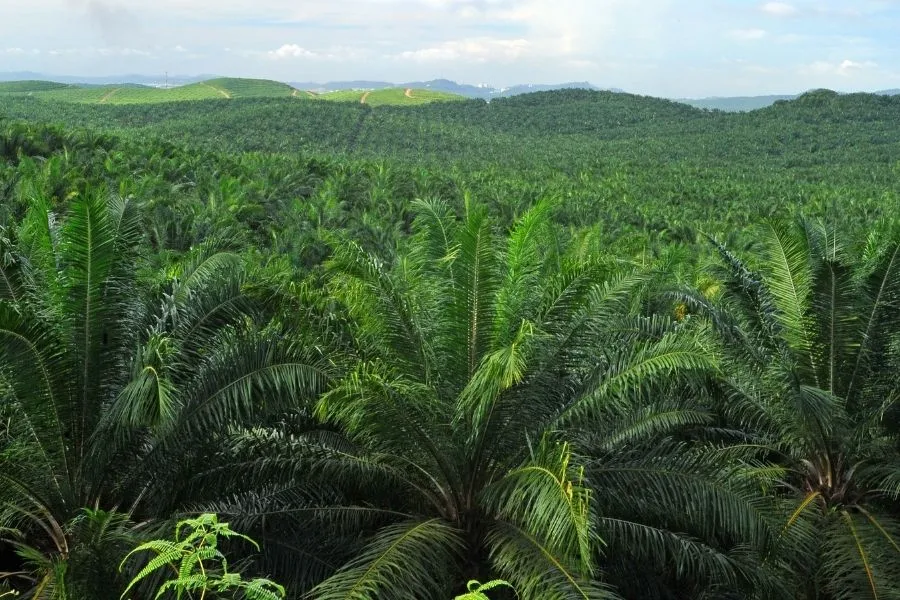
Indonesia is known as the largest oil palm producer in the world. According to data from the World Biogas Association, nearly 850 palm oil mills in Indonesia operate daily, processing fresh fruit bunches into crude oil. This process leaves behind a large amount of waste, one of which is liquid waste known as Palm Oil Mill Effluent (POME). POME contains organic compounds that, if untreated, can turn into methane gas. However, these compounds actually hold great potential as a renewable energy source.
Amid the challenges of energy transition and the need to reduce emissions, this waste actually holds significant opportunities. Current technology allows POME to be processed into renewable energy, one of which is biomethane or Bio-CNG (compressed natural gas based on biomass). Through an anaerobic fermentation process in a biodigester, bacteria break down the organic compounds in POME and produce methane gas. This gas is then purified to a high methane content, compressed, and stored for use as fuel (Ng et al., 2023; Sukardi, R, 2021).
The potential is not small. Calculations by the Indonesian government show that POME in Indonesia can produce more than 1.5 billion cubic meters of biomethane per year—equivalent to 1.1 billion liters of diesel (Source: CNBC Indonesia). This figure is sufficient to cover part of the fuel needs of the transportation sector. Moreover, if solid waste such as empty fruit bunches is also utilized, production capacity can increase by up to one-fifth.
From a technical standpoint, the utilization of Bio-CNG does not require complex new infrastructure. The compressed gas can be delivered using cylinders to user locations, whether bus depots, logistics fleets, or power plants. Vehicles wishing to use this fuel only require minor engine adjustments.
In addition to Bio-CNG, research also shows that POME can be processed into other fuels such as bioavtur (sustainable aviation fuel). Through a series of chemical processes like hydrocracking, methane from palm oil waste can be converted into fuel for aircraft. Several technology companies have developed this method, although its scale is still limited (Muanruksa, P., Winterburn, J., & Kaewkannetra, P. (2021)).
This is not just theoretical; in fact, this utilization has already begun in the field. Several palm oil mills in Indonesia have used biomethane from POME to power their internal power plants. It can even be directly distributed through PGN's pipeline network, allowing the energy to be utilized by consumers in a wider area.
Environmentally, the utilization of POME for energy helps reduce methane emissions released into the atmosphere. Some studies estimate that emission reductions could reach tens of millions of tons of CO₂ equivalent per year if this potential is optimized. Additional benefits come from the solid waste resulting from gas purification, which can be used as organic fertilizer.
However, the path to full utilization of POME is not without obstacles. The cost of building processing facilities remains high, especially for small businesses. Biomethane quality standards must also be implemented to ensure safety for transportation and distribution. Additionally, policy certainty and incentives are needed to encourage investment, including a national-level development roadmap.
If managed well, POME can become a tangible example of how industrial waste can be transformed into a strategic resource. In an era when the world is seeking clean energy sources, Indonesia has the potential not only to reduce dependence on fossil fuel imports but also to pave the way for a more sustainable energy future.