← News
November 10, 2025317 views
Palm Oil: Indonesia's Economic Pillar Towards Golden Indonesia 2045
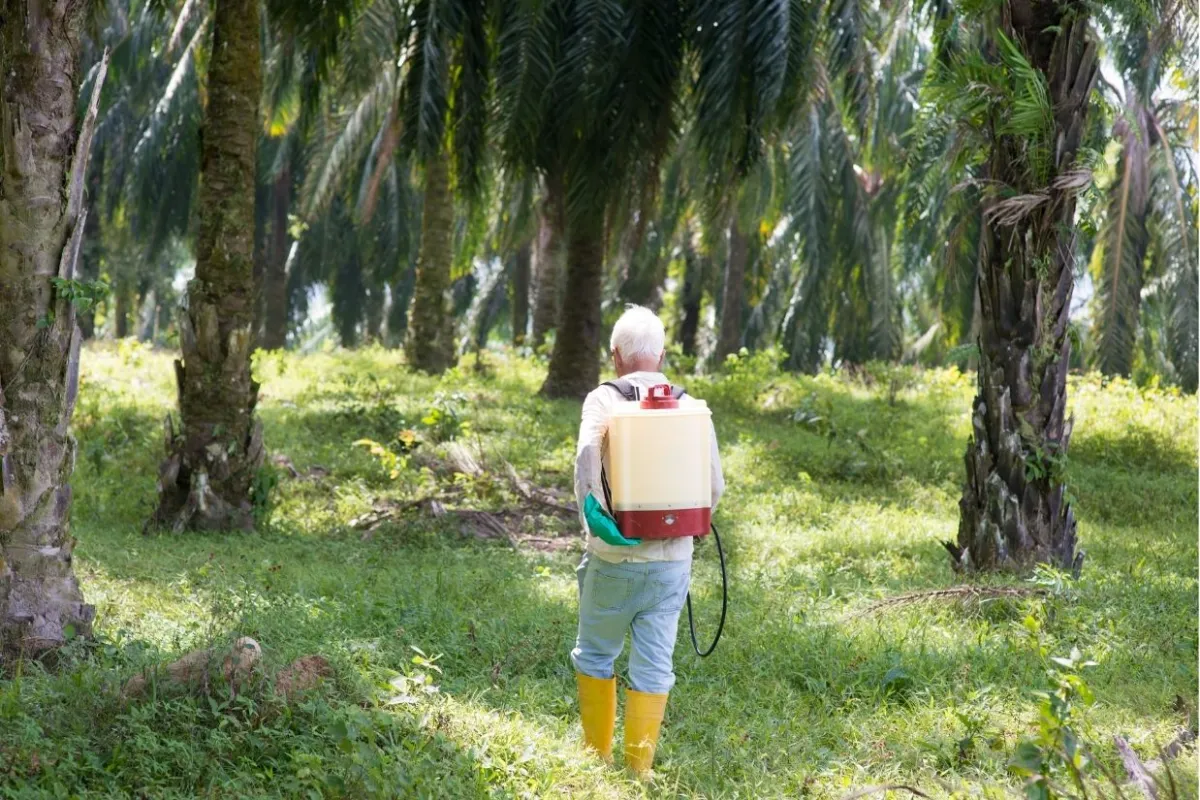
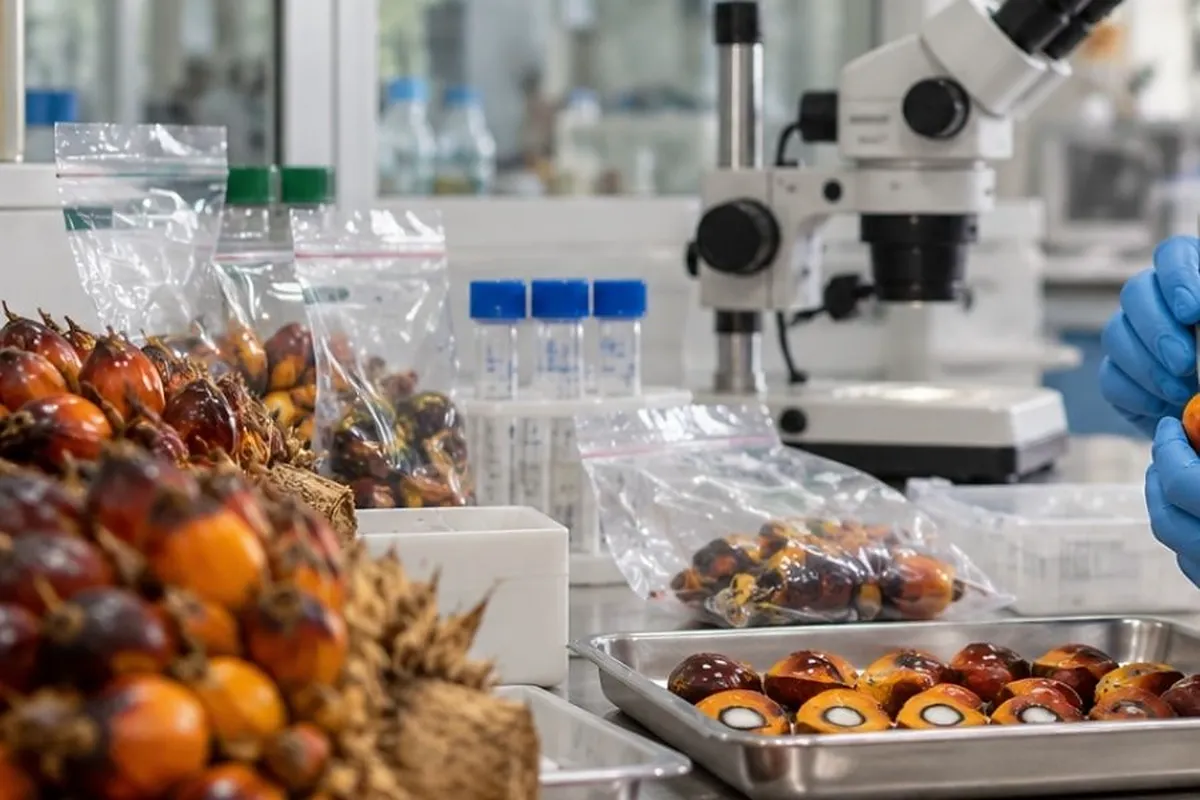
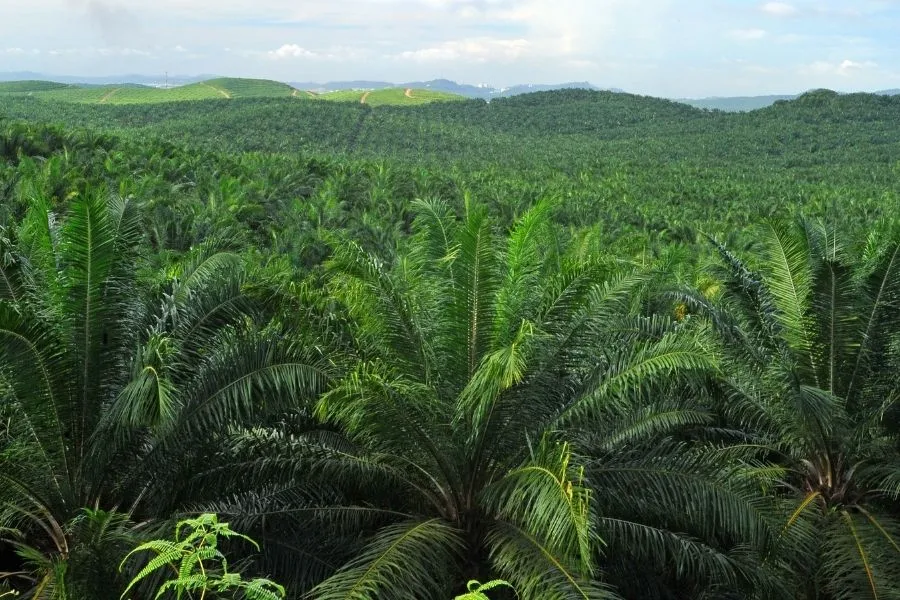
Amid the dynamics of the global economy, oil palm still stands tall as one of the main pillars of Indonesia's economy. From household kitchens to the energy industry, this commodity is not only a source of foreign exchange but also the heart of economic activity for millions of people in various regions. In every drop of palm oil, there is a story of productivity, sustainability, and the future of Indonesia's green economy. Dida Gardera, Expert Staff at the Coordinating Ministry for Economic Affairs (Kemenko Perekonomian), explained that the palm oil industry currently supports the livelihoods of around 16 million people — from farmers and plantation workers to the transportation and processing sectors. Its area covers more than 16 million hectares, with 41 percent managed by independent smallholders, 53 percent by private companies, and the remainder by state-owned plantation enterprises (Tempo, November 4, 2025). These figures demonstrate the extensive and profound influence of palm oil on the socio-economic structure in rural areas. However, this great strength still faces the classic challenge: productivity. According to data from GAPKI (2025), the current national average palm oil yield is still below four tons per hectare, while large plantations can produce around six tons per hectare. Through the Smallholder Oil Palm Replanting (PSR) program, the government aims to increase smallholder yields two to three times over the next few years. This program is expected to be a milestone in enhancing competitiveness as well as the welfare of farmers at the grassroots level. The advantage of palm oil compared to other vegetable oil-producing crops lies not only in its high yield but also in its land efficiency. According to data from the Center for Agricultural Data and Information Systems (Pusdatin), one hectare of oil palm can produce 8–10 times more vegetable oil compared to soybeans or sunflowers, with a much smaller land requirement. This is why palm oil is often referred to as the most efficient vegetable oil commodity in the world. In global trade, Indonesia remains a dominant player. Based on data from World’s Top Exports (2024), Indonesia's palm oil exports reached more than USD 20 billion, capturing nearly 48 percent of the world's total palm oil exports. This position underscores that the palm oil industry is not just a national flagship but also a crucial element in the global vegetable oil supply chain. The government strengthens this role through the Indonesian Sustainable Palm Oil (ISPO) certification, which is now mandatory under Presidential Regulation Number 16 of 2025. This certification not only ensures environmental sustainability but also guarantees traceability and accountability in the supply chain. Besides being an export commodity, palm oil is also an important raw material for green energy transformation. About 40 percent of the national biodiesel composition comes from palm oil, and more than 200 derivative products have been commercialized — ranging from cosmetics to bioavtur fuel (BPDPKS, 2025). This shows that the greatest added value of palm oil lies in the downstream sector, where innovation and technology can double its economic impact. However, the sustainability of the palm oil industry is not just about efficiency and exports. Surjadi, a lecturer at the Faculty of Economics and Business, University of Indonesia, emphasizes the importance of the social dimension. Many independent smallholders own only two to three hectares of land and have limited access to fertilizers, capital, and technology. Assistance and the formation of cooperative institutions are crucial so they can advance and fully participate in the industry's value chain. “The palm oil industry will not be sustainable without the welfare of farmers,” he stated in a public discussion (UI, 2024). On the other hand, business actors continue to drive industry transformation. Eddy Martono, Chairman of the Indonesian Palm Oil Association (GAPKI), targets national palm oil production to reach 92 million tons by 2045. He emphasizes the importance of efficiency from upstream to downstream. “Downstreaming will not be strong if the upstream is weak,” he said. Efforts to strengthen farmer productivity, digitize the supply chain, and expand export markets are the industry's main focus. With its significant contribution to foreign exchange, employment absorption, and green energy potential, palm oil remains a mainstay in the national economic map. Going forward, the challenge for this industry is not only about maintaining production but also ensuring social and environmental sustainability. If managed wisely, palm oil will continue to be a source of inclusive growth — bridging economic prosperity and environmental sustainability towards Indonesia Gold 2045.