← News
July 9, 2025655 views
Insects Not Pests: Beneficial Pollinators & Natural Predators for Oil Palm
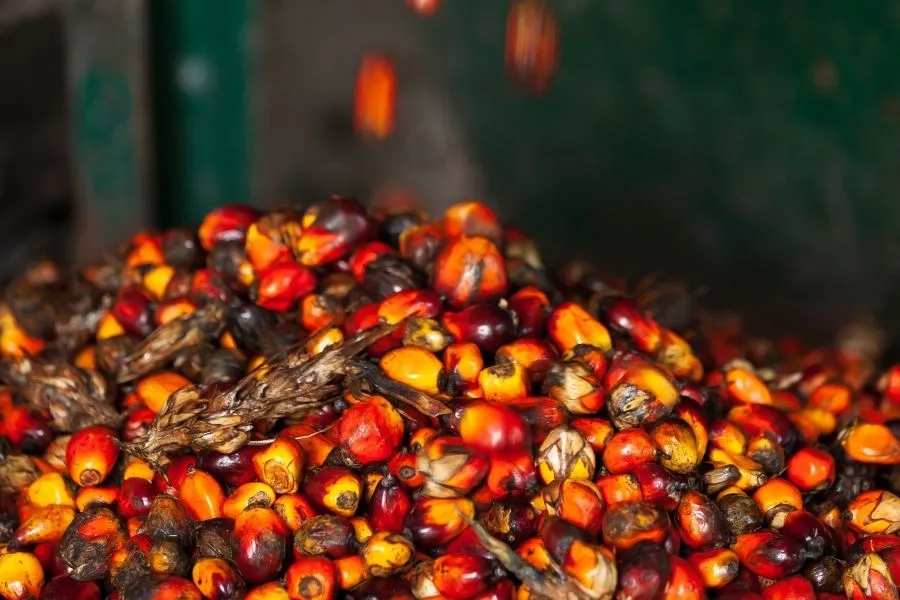
The productivity of oil palm plantations not only depends on the quality of seeds, fertilizers, soil, and labor but also on the presence of insects often considered pests. Data from the Ministry of Agriculture (Kementan) shows that the palm oil industry creates business opportunities for 2.4 million independent farmers and absorbs 16 million workers. The more productive the oil palm plantations, the more tangible the economic benefits, both locally and nationally.
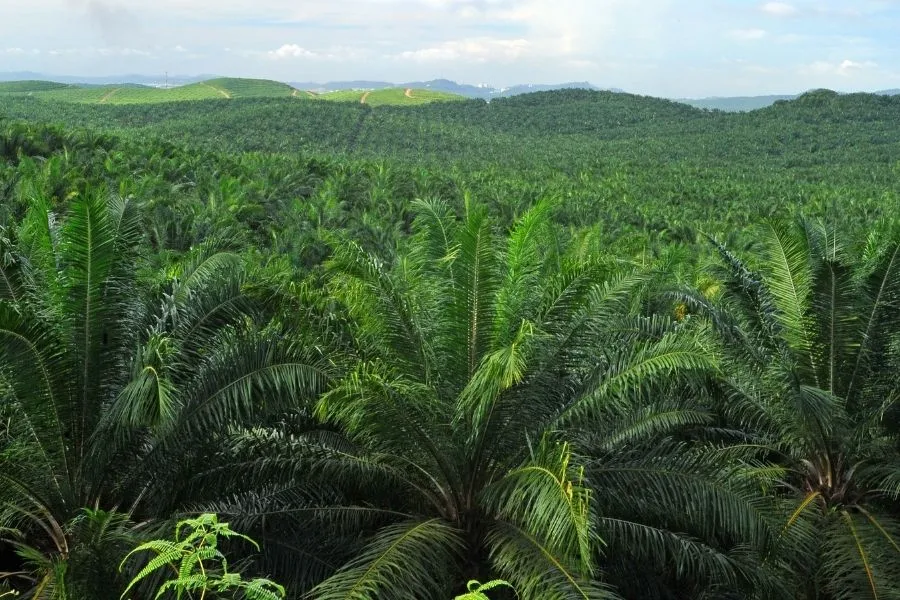
Insects are often perceived negatively by farmers because they damage plants, but research from IPB shows otherwise. Purnama Hidayat from the Department of Plant Protection stated that beetles and ants, instead of being pests, actually serve as indicators of oil palm land health. They not only prey on pests but also help aerate the soil and maintain ecosystem balance. A study involving 24 oil palm plantations, covering fully managed, partially managed, and independent plantations, proved that the presence of these insects needs to be appreciated and protected.
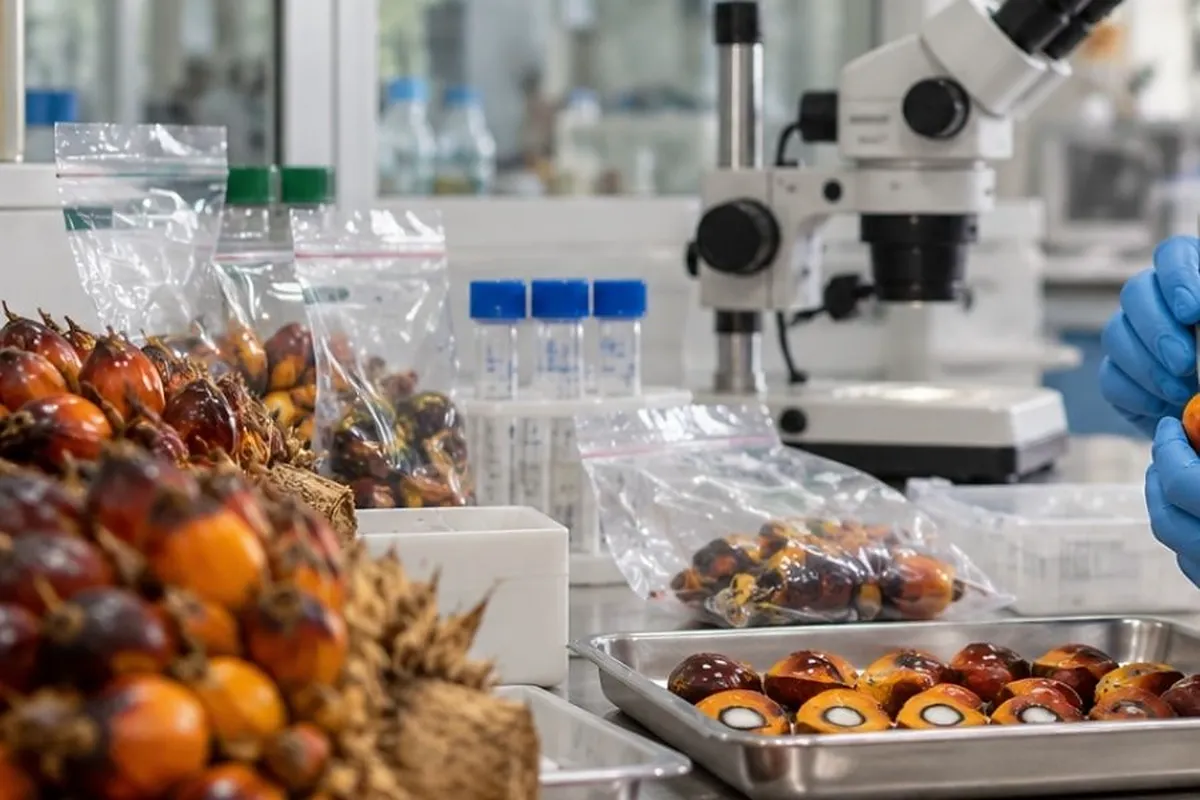
One of the pollinating insects is Elaeidobius kameronicus. Unfortunately, according to a presentation at ICOPE 2025 by the Head of Plant Protection at SMART Research Institute, Mohammad Naim, climate change that frequently occurs risks exterminating the population of this beetle. A laboratory study conducted over 14 days showed that the beetle can survive at room temperatures up to 30°C, but almost all die when exposed to extreme temperatures up to 43°C (13/02).
Naim added that the mass death of these pollinating beetles poses a serious threat; whereas, this natural effort can reduce conventional pollination costs by IDR 1.8 million per hectare. If heatwaves occur more frequently as recorded in the Philippines up to 35°C, or in Lampung and South Sumatra up to 43°C, the productivity of the palm oil industry could decline sharply.
Besides beetles, there are many other "beneficial" insects that play a role in the oil palm ecosystem. In plantation environments with diverse vegetation, ants (Formicidae), predators from the orders Hymenoptera, Hemiptera, and Diptera, have proven effective in suppressing caterpillar pest populations such as nettle caterpillars (Setothesea sp.) and silk caterpillars (Darna sp.). Several local studies (Azhar & Buchori (2015), Fitriyani et al. (2023)) recorded the diversity of predator ants at various ages of oil palm plants, where ants like Anoplolepis gracilipes and Crematogaster sp. can prey on pests from larval to adult stages.
Some types of parasitoids, such as Apanteles sp. and Spinaria sp., are also effective in controlling nettle caterpillars. Dr. Zahlul Ikhsan from Dharmasraya, a lecturer at the Faculty of Agriculture, Universitas Andalas, noted a parasitization rate of 9.09%, showing great potential as biological control agents.
Equally important, in the Journal of Oil Palm Research (MPOB, 2024) it is stated that flowering plants such as Ketepeng Cina (Cassia cobanesis), Turnera subulata, Antigonon leptopus, and Borreria alata are used in oil palm plantations to attract natural enemies of pests, providing nectar and habitat for predators like Sycanus sp. and Eocanthecona sp.
Syari Jamian & Nur Azura Adam (2011) researched that Sycanus dichotomus is a specialized nettle caterpillar predator that is bred in a limited manner so as not to disrupt the ecosystem. Data from the Directorate General of Plantations, Ministry of Agriculture (Kementan) states that this insect kills nettle caterpillar pests and has proven effective in maintaining the health of oil palm plants. Eocanthecona sp., a predatory bug, also feeds on the body fluids of nettle caterpillars, further reducing pest populations. Spiders, including jumping spiders and green lynx, as well as lady beetles (ladybugs), also play important roles as predators of aphids and small caterpillars.
Thus, a healthy oil palm plantation ecosystem is supported by a natural chain of predators and pollinators. Excessive use of chemical pesticides is detrimental, killing beneficial insects and triggering pest resistance as well as soil and water pollution. Biological control alternatives are not only more environmentally friendly but also more cost-effective and sustainable.
Therefore, insects that have been considered pests actually play a vital role in maintaining the productivity and sustainability of oil palm plantations. From pollination (beetles, bees), pest control (ants, parasitoids, Sycanus, bugs, spiders), to soil conservation, all work in harmony within the agroecosystem. Through an approach that prioritizes beneficial insects and habitat conservation practices, oil palm farmers can reduce chemical pesticides, cut costs, and increase yields. The challenge of climate change, especially heatwaves, must be a serious concern in future management. With innovation, insect conservation, and farmer education, the palm oil industry can progress in harmony with environmental sustainability. ()