Not Only Palm Oil, Indonesia Has Potential for Local Crops for Future Biofuel
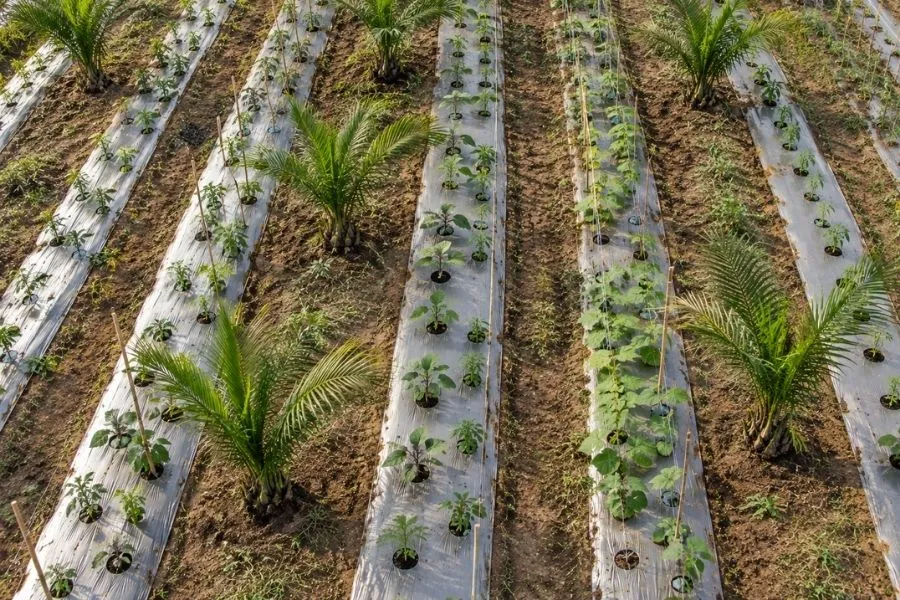
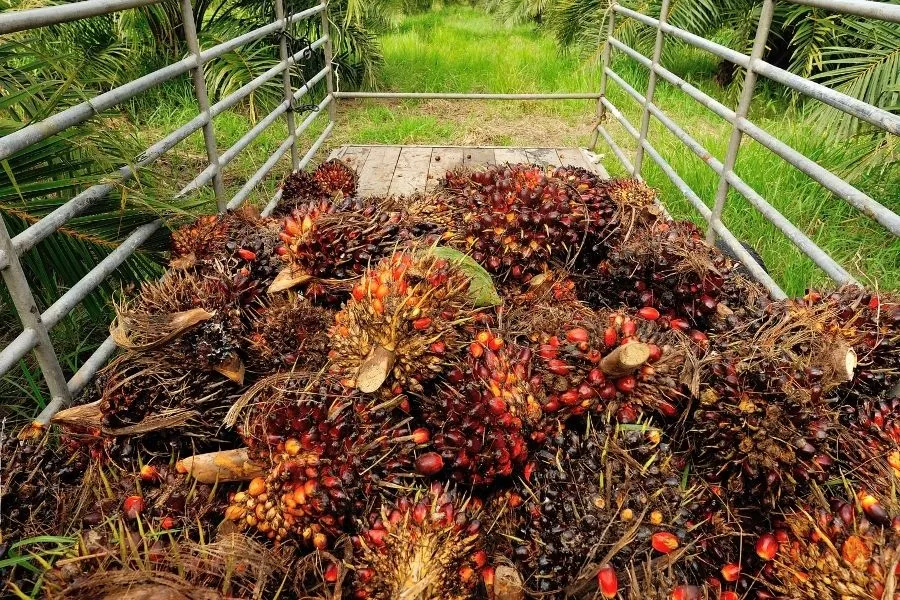
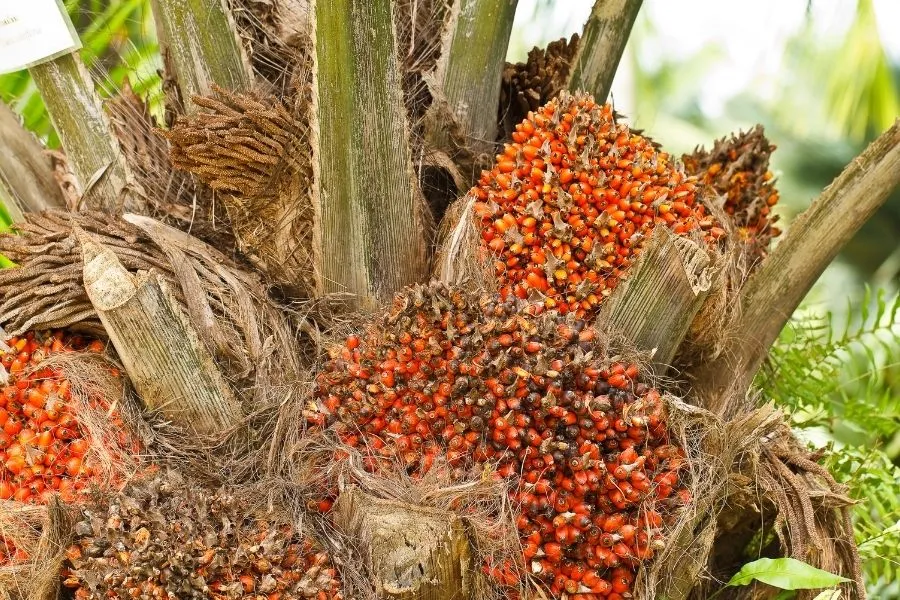
In the journey of developing biofuel in Indonesia, oil palm has become one of the main players with a significant role in providing raw materials for renewable energy, particularly biodiesel. The support of large production, an established supply chain, and a developing industrial infrastructure make palm oil one of the strategic commodities in the utilization of bio-based energy.
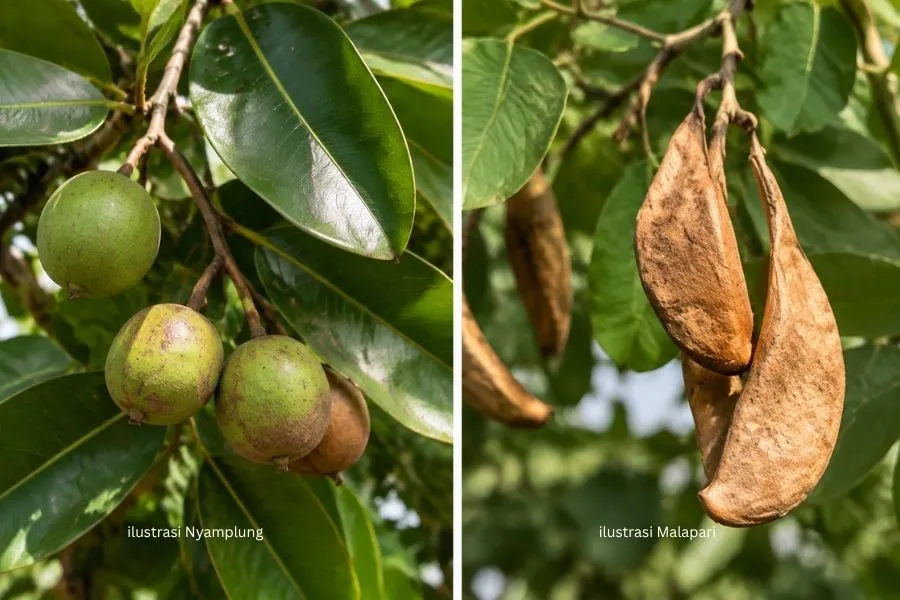
However, the development of biofuel does not necessarily have to rely on a single source of raw materials. Indonesia has diverse biological wealth, and several local plants also hold potential to be developed as plant-based energy sources. Two of them are nyamplung (Calophyllum inophyllum) and malapari (Pongamia pinnata).
These two plants produce seeds containing oil that can be used as raw materials for biofuel. Their development is an opportunity to expand the options for bio-based energy sources while utilizing plants with characteristics suited to specific environmental conditions.
Nyamplung (Calophyllum inophyllum) is a tropical plant commonly found in coastal areas. This plant is known for its ability to grow in coastal environments and has been extensively studied for the oil content in its seeds, which has potential for biodiesel production. Besides its energy aspect, nyamplung also has ecological value as it can play a role in preserving and rehabilitating coastal areas (Friday & Okano, 2006).
Meanwhile, malapari (Pongamia pinnata), a plant from the legume group, has gained attention as a source of biofuel raw materials. Its seeds produce oil that can be processed into biodiesel and have the ability to adapt to various environmental conditions, making it a potential plant to be developed as an energy crop. In addition to producing oil, malapari also has the ability to fix nitrogen through a symbiotic relationship with microorganisms in its roots, potentially providing additional benefits for soil quality (Scott et al., 2008).
The presence of nyamplung and malapari opens opportunities to expand the sources of plant-based biofuel raw materials. With different characteristics and levels of industrial readiness, each commodity can be developed according to its potential to support Indonesia's energy diversification.
Nevertheless, the development of nyamplung and malapari still faces challenges, ranging from increasing plant productivity, cultivation technology, processing efficiency, to supply chain readiness. Unlike oil palm, which already has a developed industrial ecosystem, these alternative plants still require research and innovation to be implemented on a larger scale.
In the future, it is hoped that the development of biofuel in Indonesia will not only rely on a single source of raw materials but will be able to optimize the various plant potentials available. Oil palm, nyamplung, malapari, and other local plants can each play a role in supporting Indonesia's renewable energy journey.