Primary Forest Transformation and Oil Palm Development in Indonesia

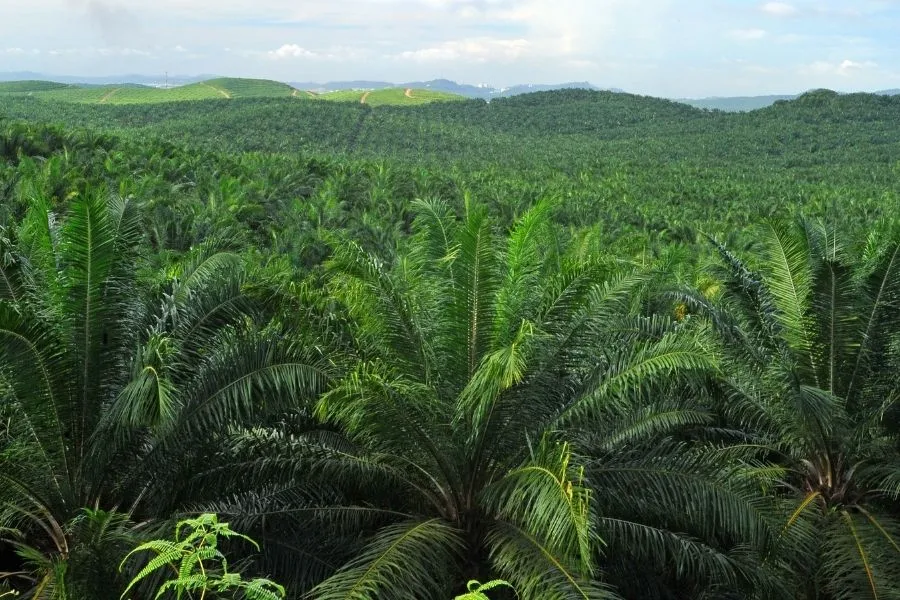
The issue of converting primary forests into oil palm plantations often becomes a focal point in environmental debates in Indonesia. Primary forests are frequently perceived as the most disadvantaged party in palm oil expansion. However, research findings and expert explanations indicate that the reality on the ground is far more complex and cannot be generalized.
In an interview with Sawit IDN, Prof. Dr. Yanto Santoso explained that primary forests indeed have very high ecological value. When primary forests are converted into oil palm plantations, declines occur in various aspects, from biodiversity to ecosystem functions. This is understandable, considering that primary forests are natural habitats for a diverse range of flora and fauna that have developed over hundreds or even thousands of years.
Nevertheless, based on studies conducted in various provinces using sampling methods on smallholder plantations and privately-owned company plantations, an interesting fact was found. Of all the areas studied, only about 3 percent actually originated from primary forests. This figure indicates that most palm oil development in Indonesia does not directly replace intact primary forests.
Even in certain areas, such as Sumatra, areas categorized as former primary forests have often undergone prior clearing. In some cases, the land was first used for other activities, such as tobacco planting or other agricultural ventures, before eventually being converted into oil palm plantations. This means that forest degradation processes had occurred earlier, and palm oil is not the sole actor in the land cover change.
The study also shows that about 76 percent of oil palm plantation areas come from forests that have previously been disturbed or cleared. These lands are generally remnants of other parties' business activities, which ecologically no longer function as primary forests. Meanwhile, the remaining areas come from former transmigration program lands and community agricultural lands.
It is important to understand this fact from the outset so that discussions about palm oil and deforestation are not oversimplified as if all oil palm plantations necessarily originate from primary forest clearing. The impact on biodiversity greatly depends on the initial condition of the land being converted, whether it comes from primary forests, secondary forests, or previously open land.
Primary forests themselves are characterized by layered canopy cover, complex vegetation structure, and highly diverse species composition. These characteristics enable primary forests to optimally support the life of various species. Therefore, the conversion of primary forests will always have a much greater ecological impact compared to the conversion of already degraded land.
By understanding these differences, discussions on palm oil and the environment can move towards a more proportional and data-driven direction, while also promoting more responsible and sustainable palm oil management.