Indonesia Hosts ICAO WG5 in Bali: Momentum to Promote Transparent and Data-Driven SAF
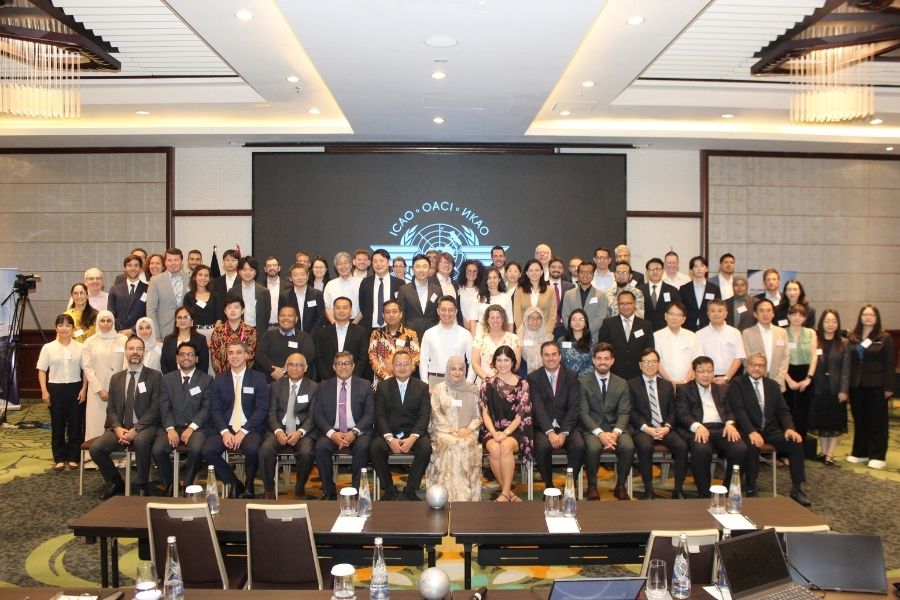
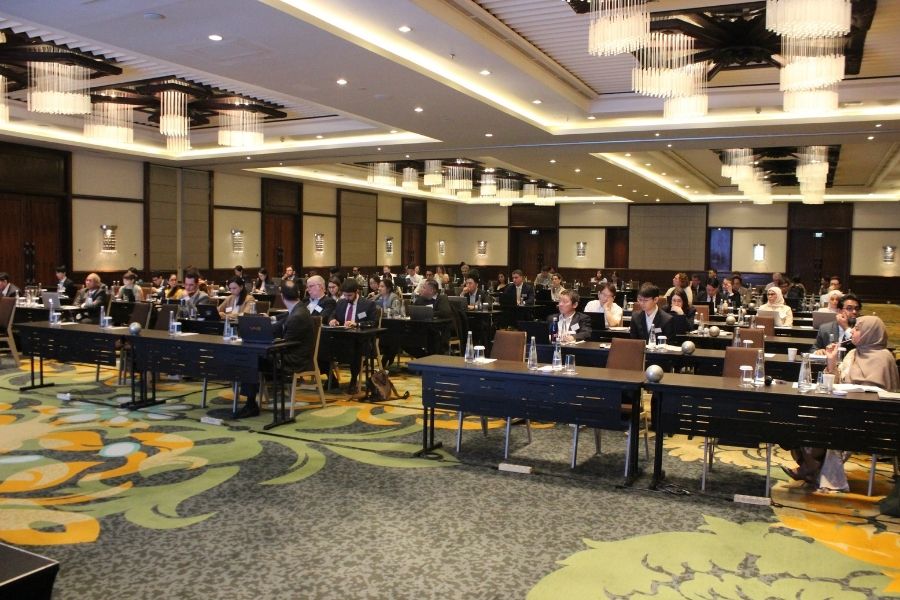
Indonesia, through the Ministry of Transportation (Kemenhub), specifically the Directorate General of Civil Aviation, hosted the fourth meeting of the ICAO Committee on Aviation Environmental Protection Working Group 5 (CAEP WG5/4) at the Sheraton Bali Kuta Resort on July 6–10, 2026. This meeting is a strategic moment for Indonesia, not only as the organizer of an international forum but also as a country with resources for Sustainable Aviation Fuel (SAF) and an interest in taking a larger role in the global aviation decarbonization agenda.
This role aligns with the Vision of President Prabowo Subianto and Vice President Gibran Rakabuming Raka, particularly in strengthening energy independence, promoting the downstream processing of natural resources, and developing a sustainable green economy. In this context, the development of SAF is not just an important environmental issue but also an opportunity to build a new industry, create added value, and strengthen Indonesia's position in the low-carbon energy supply chain.
Working Group 5 is an ICAO (International Civil Aviation Organization) technical forum that discusses various aspects of aviation fuel, ranging from SAF, Lower Carbon Aviation Fuel, fuel recording and calculation systems, fuel composition, Core Life Cycle Assessment, to Induced Land Use Change or ILUC. By hosting, Indonesia has a greater opportunity to demonstrate technical readiness while ensuring that the perspectives of developing countries and raw material-producing countries are considered in the formulation of global methodologies.
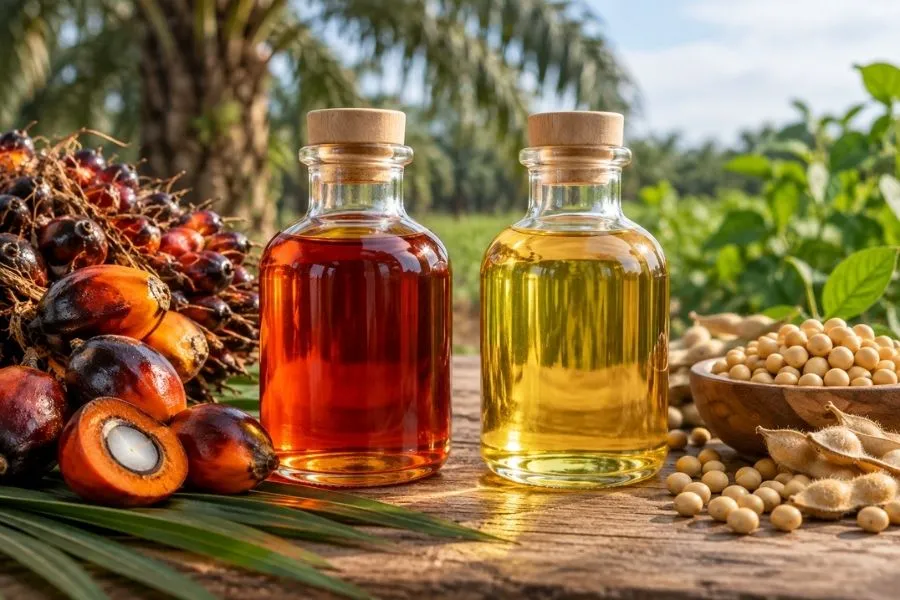
One of the most relevant issues for Indonesia is ILUC, which is the potential indirect emissions due to land use changes triggered by increased demand for bioenergy raw materials. In the CORSIA (Carbon Offsetting and Reduction Scheme for International Aviation), the ILUC value can affect the overall life cycle emissions calculation of a raw material, the extent of emission reductions, and its competitiveness as a SAF raw material.
However, ILUC calculations are highly dependent on models, data quality, assumptions, and interpretation methods. Therefore, Indonesia is interested in ensuring that ILUC modeling does not become a "black box" that only produces final numbers without a transparent, traceable, and scientifically testable process.
Through a Working Paper submitted, the Indonesian expert team encourages the involvement of raw material-producing countries in the ILUC modeling process. This involvement includes data provision and verification, assumption review, sensitivity analysis discussion, and technical capacity building in understanding models like GTAP-Bio and GLOBIOM. This proposal received a positive response and was followed up with discussions on access to models, capacity strengthening, and more intensive communication between model developers and producing countries.
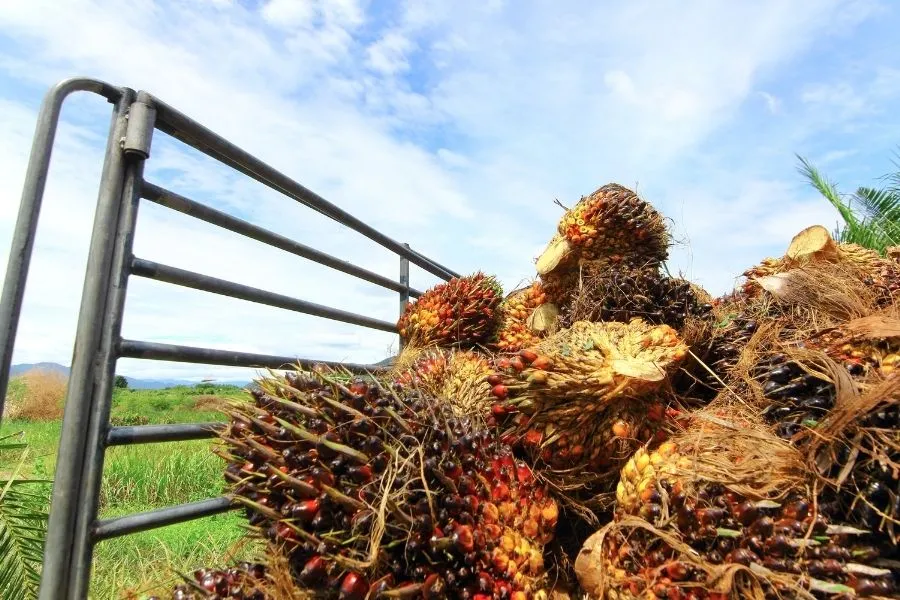
Another important effort is Indonesia's collaboration with Japan in proposing Oil Palm Trunk as an agricultural residue. This classification includes palm trunks produced from regular plantation replanting processes, excluding roots and fronds. This proposal aims to open opportunities for including OPT in the positive list of CORSIA raw materials and support Indonesia–Japan technical cooperation in its development as a SAF raw material through the alcohol-to-jet pathway.
Besides ILUC and OPT, the meeting also discussed other matters related to the Global Aviation Industry's efforts to meet emission reduction targets for a better and more sustainable future.
The meeting in Bali demonstrated that technical diplomacy supported by data, scientific capacity, and international collaboration can yield concrete progress. For Indonesia, ICAO WG5/4 is not just an institutional agenda but a momentum to promote global SAF governance that is low-emission, credible, transparent, inclusive, and based on scientific evidence.
Photo: Secretariat of the Directorate General of Civil Aviation, Ministry of Transportation