← Researcher Opinion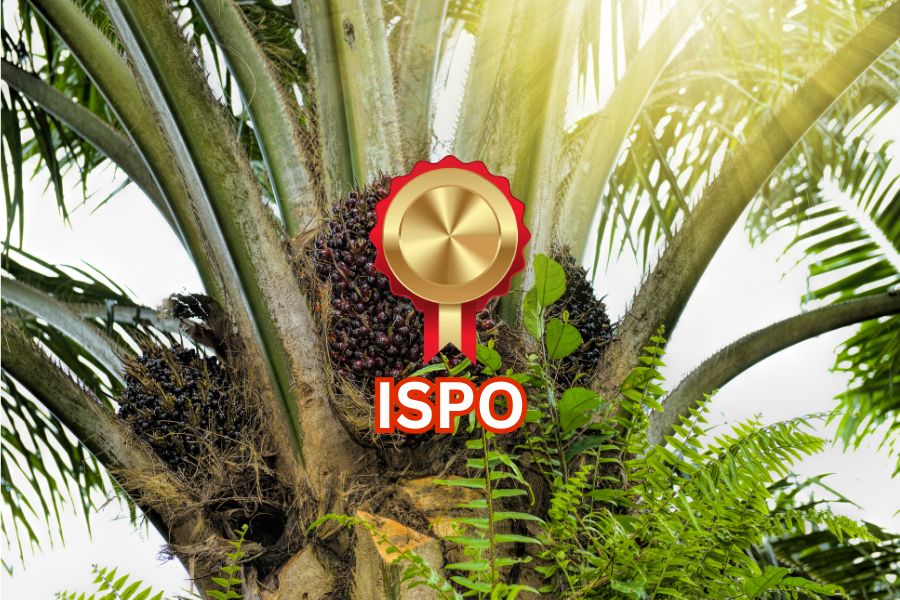
OP-2025-I-001
By Yuri O. Thamrin · Dewan PengawasJanuary 1, 2025376 views
Improving ISPO Certification for Global Recognition
Since 2011, Indonesia has proven itself as a country committed to producing sustainable palm oil. Through the launch of the Indonesian Sustainable Palm Oil (ISPO) Certification in Minister of Agriculture Regulation No. 19 of 2011, Indonesia strives to strengthen the sustainability of its palm oil sector to enhance competitiveness in the global market. As sustainability standards rise, the Government reinforced ISPO regulations through Presidential Regulation No. 44 of 2020, mandating that all palm oil companies, including independent and plasma farmers, must be ISPO certified.
As of August 2024, data from the Ministry of Agriculture (Kementan) shows that 5.9 million hectares of palm oil area have been certified, or 36% of the total palm oil land cover. The implementation of the ISPO certification system is of great importance to Indonesia. If this system is comprehensively applied by the palm oil industry, both companies and farmers, it can improve the image of palm oil in Indonesia, and for smallholders, it can be used as evidence in meeting increasingly stringent global market requirements. On the other hand, the implementation of this certification will encourage high awareness among smallholders to carry out cultivation practices that pay more attention to sustainability aspects, both in terms of production (profit), social (people), and environmental (planet).
Currently, pragmatically, ISPO seems not to provide the benefits like RSPO, which can offer premium price incentives for CPO and palm kernel. However, the implementation of sustainability systems like ISPO will indirectly provide many benefits for smallholders. Through ISPO, smallholders become aware of how to cultivate sustainable palm oil. From the production side, palm oil will result in increased production and continuous economic income.
Environmental maintenance in palm oil plantations that maximizes biodiversity will become a support system for palm oil plants, where protected natural biota can add balance to nature. Fulfillment from the social side will make palm oil plantations more secure, thus minimizing looting and social disputes. All of this will provide long-term benefits.
Nevertheless, ISPO still faces significant challenges in gaining global recognition. This is different from the RSPO (Roundtable on Sustainable Palm Oil) certification, which is more recognized by the global market. ISPO must learn how RSPO gained global recognition. This is not an issue within the scope of certification, but more about how the principles built can align with the RSPO market needs.
Compared to MSPO in Malaysia, ISPO is too focused on national legal compliance, whereas the MSPO system has harmonized with international standards, thus gaining global recognition. Based on PPKS research in 2021, RSPO is placed in a higher position (score 77), compared to MSPO (62) and ISPO (56). RSPO is rated highly because it has a more comprehensive system. In every evaluated indicator, RSPO has clear indicators and more measurable requirements compared to others. Meanwhile, ISPO is rated low because it lacks sufficient detail, both in labeling indicators, trust level, fair treatment for small farmers, small farmer credit, market access for farmers, and land conflict resolution.
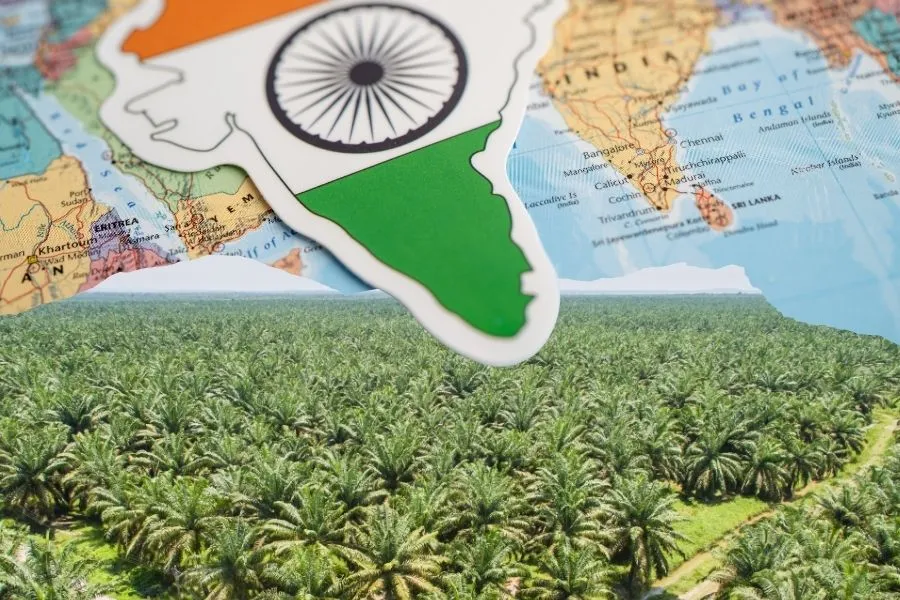
To improve the quality of ISPO and smallholder participation, the Government may need to enhance the pragmatic benefits of ISPO, such as making ISPO acceptable in major markets like the European Union, India, and China, which are the world's market benchmarks. This can be linked to the EUDR recently regulated by the European Union. Accommodating these regulations needs to be done properly and transparently, thus increasing smallholder interest, and their ISPO-certified palm oil products can be more accepted in the global market.
How to Cite
Thamrin, Y. O. (2025). Improving ISPO Certification for Global Recognition. IPOSS Researcher Opinion, OP-2025-I-001. Indonesia Palm Oil Strategic Studies. https://iposs.co.id/en/opini/3938-2
NumberOP-2025-I-001PublishedJanuary 1, 2025DOI-