From Expansion to Simplification: Rethinking European Green Policy in a Fragmented World
By: Yuri O. Thamrin
/wp:paragraph wp:paragraphUntil now, the European Union has been known as the most consistent force in exporting sustainability standards worldwide. From energy policies to supply chain regulations, Brussels not only regulates itself but also effectively compels other countries to follow suit. However, recent developments indicate that this approach is beginning to undergo a correction. Amid competitive pressures and global geopolitical changes, the European Union is no longer expanding its green policies but is starting to simplify them.
/wp:paragraph wp:paragraphOver the past decade, Europe's green policies have indeed developed rapidly. Through various instruments—from the European Green Deal to supply chain regulations—Brussels has built a broad and detailed policy framework. Its impact is not limited within the European Union but also reaches trading partner countries, including Indonesia.
/wp:paragraph wp:paragraphHowever, in recent years, this direction has begun to adjust. The European Union is now moving from a phase of green policy expansion to a phase of green policy simplification. The ambition for sustainability is maintained, but its instruments are being streamlined to reduce administrative burdens and maintain economic competitiveness.
/wp:paragraph wp:paragraphThe European Commission explicitly places simplification and competitiveness as the main agenda for the 2026 policy (European Commission, 2026). Various steps are being taken to simplify reporting obligations and sustainability due diligence. This policy direction reflects an awareness that overly complex regulations can become a burden for businesses, especially in facing global competition.
/wp:paragraph wp:paragraphThis change cannot be separated from the shifting geopolitical context. Trans-Atlantic relations no longer provide the certainty they once did. Europe faces a reduced strategic presence of the United States and increased uncertainty in cooperation patterns that were previously considered stable (European Council, 2026). In this situation, the concept of strategic autonomy evolves from merely an aspiration to a practical necessity (European Parliament, 2026).
/wp:paragraph wp:paragraphThe world is now moving towards a more fragmented configuration. Competition between countries is intensifying, economic relations are becoming more transactional, and national interests are increasingly dominant. In such conditions, policies—including green policies—are no longer assessed solely from their normative goals but also from their impact on competitiveness and position in the global supply chain.
/wp:paragraph wp:paragraphIn this context, the simplification of Europe's green policies becomes understandable. Pressure from the industrial sector facing high compliance costs encourages Brussels to adjust its approach. Various policy analyses note the increasing push to balance the sustainability agenda with economic needs (Politico, 2026; Financial Times, 2026).
/wp:paragraph wp:paragraphHowever, this adjustment carries broader implications. In a world that is increasingly fragmented, the momentum for global cooperation to address climate change risks weakening. Countries tend to prioritize energy security, domestic stability, and industrial competitiveness. As a result, the climate agenda, which was previously collective, may become increasingly fragmented.
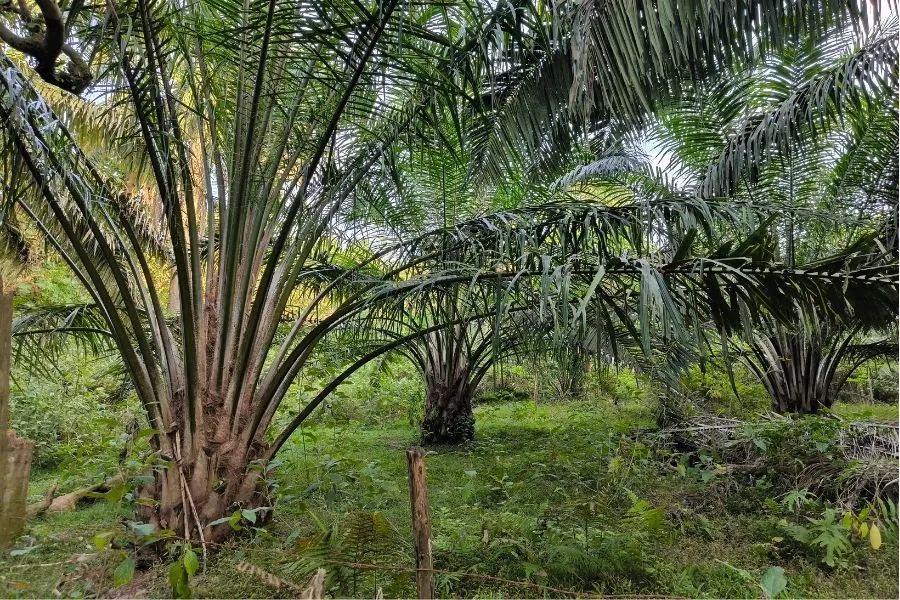
/wp:paragraph wp:paragraphIn this context, Indonesia's palm oil sector becomes a concrete example of this dynamic. Until now, palm oil has often been placed as an object of European sustainability standards. However, recent developments show a more complex position.
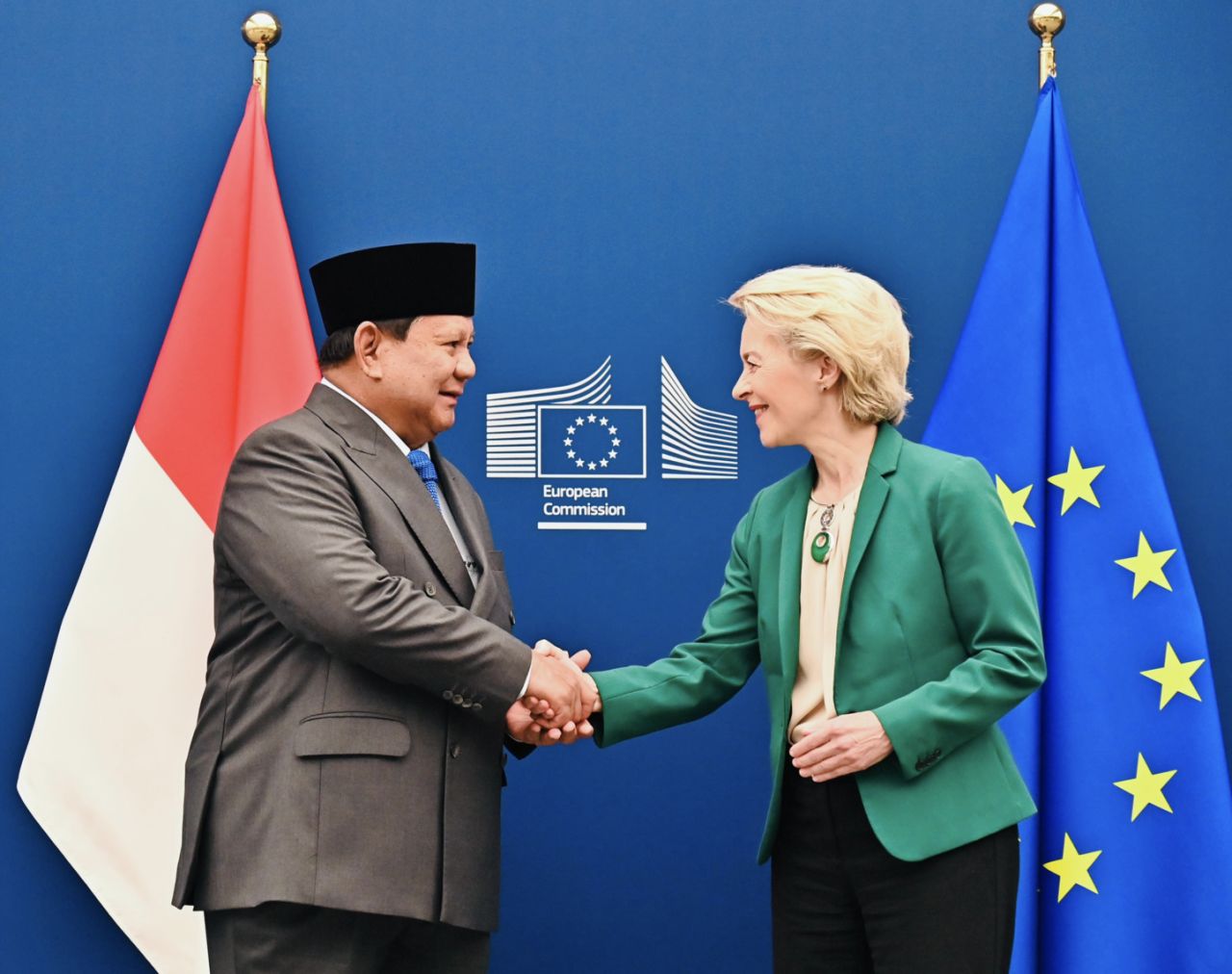
/wp:paragraph wp:paragraphOn one hand, the European Union continues to maintain strict regulations related to deforestation and bioenergy. On the other hand, through the Indonesia–EU Comprehensive Economic Partnership Agreement (IEU-CEPA) negotiations, Europe also recognizes palm oil as part of strategic economic relations, including as an industrial input and a subject of institutional dialogue through the Protocol on Palm Oil (European Commission, 2026).
/wp:paragraph wp:paragraphThe significance of this protocol is important. For the first time, the issue of palm oil is not only placed as an object of unilateral regulation but enters into an institutionalized cooperation framework. This protocol opens up regular dialogue on policy developments, mechanisms for facilitating sustainable palm oil trade, and opportunities to bridge differences in approach between Indonesia and the European Union. In other words, palm oil is beginning to shift from merely a source of dispute to part of the architecture of bilateral economic relations.
/wp:paragraph wp:paragraphThis development shows that palm oil is not only viewed as an environmental issue but also as part of broader economic and diplomatic interests.
/wp:paragraph wp:paragraphThis change reflects a new perspective on strategic commodities. In a fragmented world, commodities like palm oil are no longer seen solely from the sustainability side but also from their contribution to energy and industrial resilience.
/wp:paragraph wp:paragraphTherefore, the relevant question is no longer whether the European Union will maintain its green policies. The more important question is whether Europe can implement these policies without sacrificing relationships with its strategic partners.
/wp:paragraph wp:paragraphThe ongoing trade tensions indicate that the risk is real. The palm oil dispute between Indonesia and the European Union at the WTO—which essentially stems from the EU's renewable energy policy that limits the use of palm-based biofuels due to their classification as high ILUC-risk—has been ongoing for several years. A previous WTO panel granted a partial victory to Indonesia, but the legal process is not yet fully resolved, and the European Union continues to uphold various restrictive policies. In developments in 2026, Indonesia has even begun preparing steps for suspension of concessions, indicating that this dispute could potentially enter a more severe phase (Reuters, 2026).
In such a situation, overly rigid policies risk widening the gap with partners, at a time when Europe actually needs broader cooperation.
For Indonesia, this dynamic provides an important lesson. A purely defensive approach is no longer sufficient. Indonesia needs to clearly understand the internal changes in Europe, comprehend the geopolitical pressures faced by Brussels, and position palm oil as part of the solution—not merely as a regulatory object.
Ultimately, green policies do not exist in a vacuum. They operate in an increasingly competitive and fragmented world. In this context, overly rigid standards can become a geopolitical burden. And in a world that is becoming more transactional, even idealism needs allies.
Thamrin, Y. O. (2026). From Expansion to Simplification: Rethinking European Green Policy in a Fragmented World. IPOSS Researcher Opinion, OP-2026-IV-008. Indonesia Palm Oil Strategic Studies. https://iposs.co.id/en/opini/dari-ekspansi-ke-simplifikasi-membaca-ulang-kebijakan-hijau-eropa-di-dunia-yang-terfragmentasi