What is the Role of Quarantine in Ensuring Smooth Export of Indonesian Palm Oil Products?
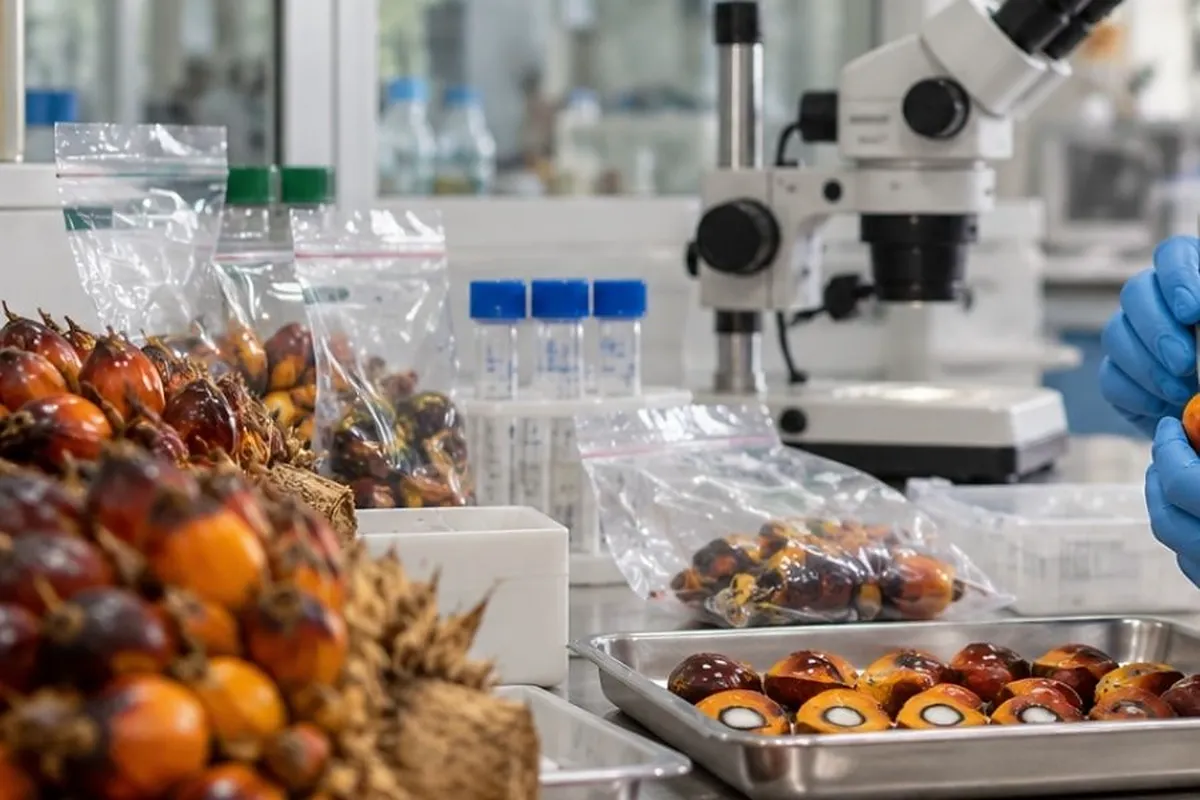
Just as humans undergo health examinations to prevent the spread of diseases, agricultural products traded between countries may also require inspection before entering the destination area. This process is known as quarantine. According to the Centers for Disease Control and Prevention (CDC, 2013), the term quarantine originates from the Italian word quaranta, meaning forty, referring to the practice of isolating ships for 40 days to prevent the spread of disease outbreaks. Today, quarantine is also applied in the trade of agricultural commodities to control the risk of spreading harmful organisms.
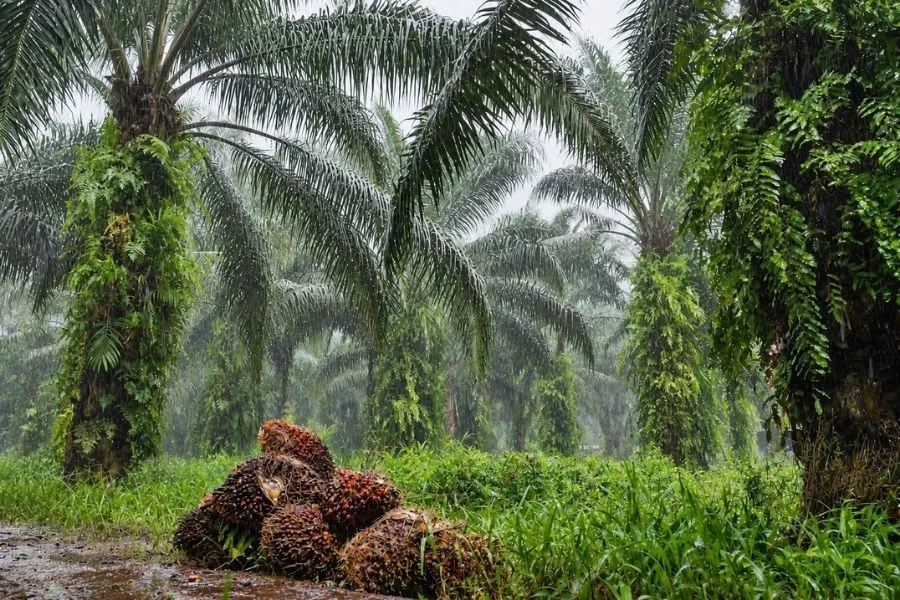
In the oil palm industry, quarantine inspections are not only related to the plants or fresh fruit bunches (FFB) but also to several of its derivative products. Palm kernel shells and palm kernel expeller (PKE), for example, still have the potential to carry harmful plant organisms even after processing. Therefore, certain products need to undergo inspection or treatment according to the risk characteristics and requirements of the destination country.
Based on Law Number 21 of 2019 concerning Animal, Fish, and Plant Quarantine, quarantine actions include inspection, isolation, observation, treatment, detention, rejection, destruction, and release of commodities. This means quarantine does not always require goods to be isolated for a certain period. One of the treatments that can be carried out is fumigation, which is the use of fumigants to control harmful organisms that may be carried with the product.
This role is increasingly relevant given the large trade of Indonesian palm oil products. According to data from the Indonesian Quarantine Agency (Barantin, 2026), from January to June 2026, the volume of quarantine certification for palm oil exports and its derivatives reached 8.6 million tons with an estimated economic value of IDR 38.5 trillion. The recorded products include palm kernel shells, palm kernel expeller, palm oil, RBD palm olein, and RBD palm stearin. These figures illustrate the significant trade activity served by the quarantine system, not the entirety of national palm oil exports.
An example of its application was seen in January 2026, when West Sulawesi Quarantine supervised the fumigation of 3,200.625 tons of palm kernel expeller before being exported to China through Belang-Belang Port, Mamuju (Barantin, 2026). This treatment was carried out to prevent the carriage of harmful organisms, including warehouse pest insects, which could potentially lead to product rejection in the destination country.
Similar activities were conducted by Aceh Quarantine in June 2026 in overseeing the export of 10,500 tons of palm kernel shells valued at approximately IDR 21 billion to Japan (Barantin, 2026). Before departure, the products underwent quarantine actions and fumigation according to the importing country's requirements. This demonstrates that palm oil by-products used as raw materials for energy also need to meet plant health requirements in international trade.
In Indonesia, quarantine supervision has become part of the export activities of various palm oil products. However, the smoothness of services still requires improvement. In July 2026, Barantin acknowledged that integrating services with other agencies involved in the trade process remains a challenge. The government then continues to develop digitalization and service integration, including through the National Logistics Ecosystem (NLE), to enhance the efficiency of the export process.
Thus, the current challenge for Indonesian quarantine is not only to ensure products meet the requirements of the destination country but also to improve the efficiency of inspections and document issuance. Strengthening inter-agency coordination and implementing risk-based supervision are important to ensure plant health protection continues without adding unnecessary logistical barriers for palm oil exporters.