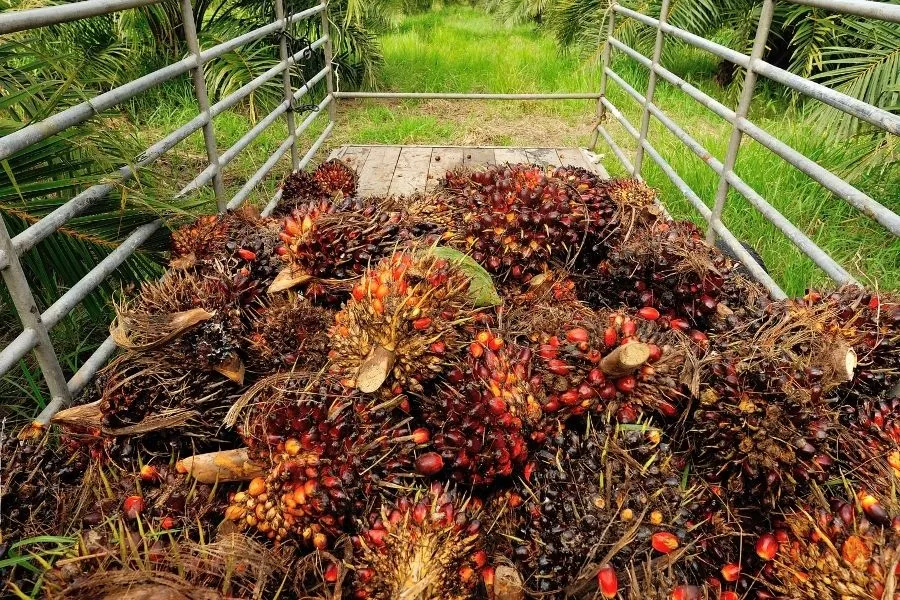
Domestic Palm Oil Consumption Projected to Surpass Exports by 2026
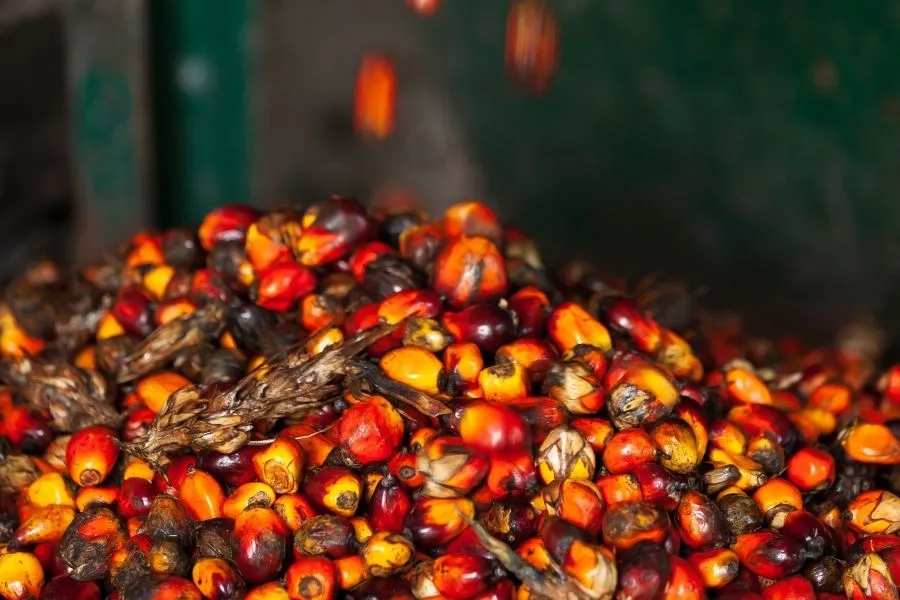
The increasing utilization of palm oil for energy needs is beginning to change its usage structure in Indonesia. In 2026, domestic palm oil consumption is projected to surpass exports for the first time during the IPOSS Outlook observation period. This shift indicates the growing role of the domestic market, while also presenting challenges in maintaining supply balance for domestic needs and international trade.
According to the IPOSS Palm Oil Industry Outlook Q4 2026, domestic consumption is projected to reach 27.1 million tons or 51.3% of total national palm oil usage, surpassing exports of 25.76 million tons or 48.7%. This change is primarily driven by the implementation of the mandatory B50 biodiesel since July 2026. The demand for palm oil for biodiesel is expected to increase from 13.6 million tons in 2025 to 15.3 million tons in 2026, contributing about 90% of the additional domestic consumption.
The significant contribution of biodiesel indicates that domestic consumption growth is mainly driven by energy policy, not a uniform increase in demand across all downstream industries. On one hand, this policy expands the domestic market and supports the reduction of dependence on petroleum-based diesel. On the other hand, the increasing energy demand makes the availability of palm oil raw materials increasingly important for the food, oleochemical industries, and export markets.
IPOSS projects national palm oil production to reach around 52.4 million tons in 2026. As domestic demand increases faster than production, the amount of palm oil available for export may potentially decrease. This occurs because the supply produced must meet various needs simultaneously. However, the increase in domestic consumption does not automatically lead to a decrease in exports, as stock availability, production growth, and global demand also influence the volume that can be traded.
Although the domestic market is growing, exports still play an important role in Indonesia's economy. GAPKI data records that throughout the first semester of 2026, the export volume of palm products reached approximately 16.60 million tons with a value of USD 19.45 billion. Besides generating foreign exchange, export trade also provides levy revenues managed by the Palm Oil Fund Management Agency (BPDP). Part of these funds is used to support biodiesel incentives. Thus, exports not only serve as a market for Indonesian palm products but also support the financing of its utilization for domestic energy.
The change in palm oil usage structure further emphasizes the importance of increasing plantation productivity. One strategic step is to accelerate Smallholder Oil Palm Replanting (PSR), especially in plantations with old or low-productivity plants. By replacing non-productive plants with superior seeds and implementing good cultivation practices, production can potentially be increased from the existing plantation land. This approach allows for supply enhancement without having to continuously rely on expanding plantation areas.
The IPOSS Outlook estimates that the PSR area planted from 2017–2023, which has entered the production phase in 2026, contributes about 943.7 thousand tons of CPO or about 2% of national production. This contribution shows the beginning of replanting results, although its benefits develop gradually along with plant growth. Therefore, the success of PSR not only depends on the area replanted but also on seed quality, plant maintenance, and support for farmers during the non-productive phase.
The projection of domestic consumption surpassing exports reflects the growing role of palm oil in meeting national energy needs. However, this change also indicates that increased demand needs to be accompanied by the ability to provide adequate raw materials. Strengthening productivity through replanting and managing existing plantations is an important step to meet domestic needs while maintaining Indonesia's role in the international palm oil market.