Supporting 30% of World Palm Oil Production, Smallholders Still Face Certification Barriers
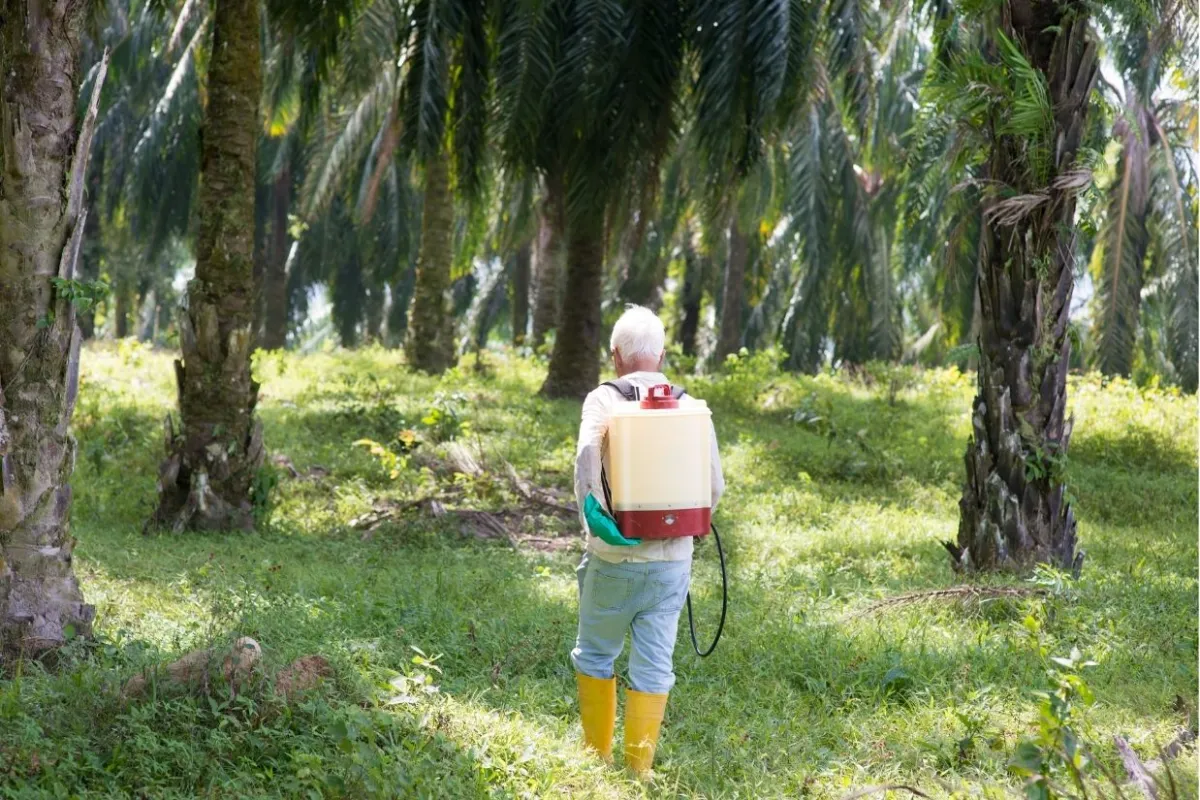
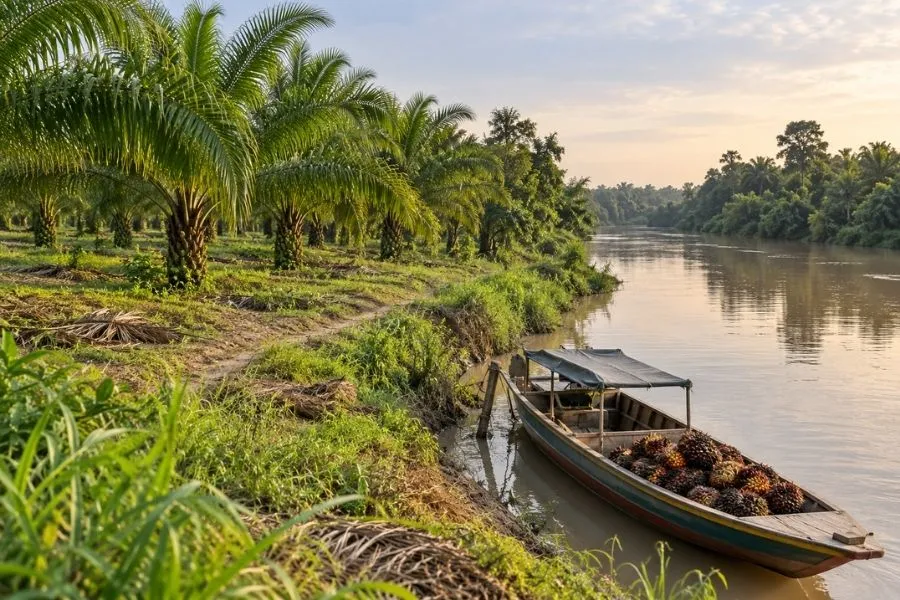
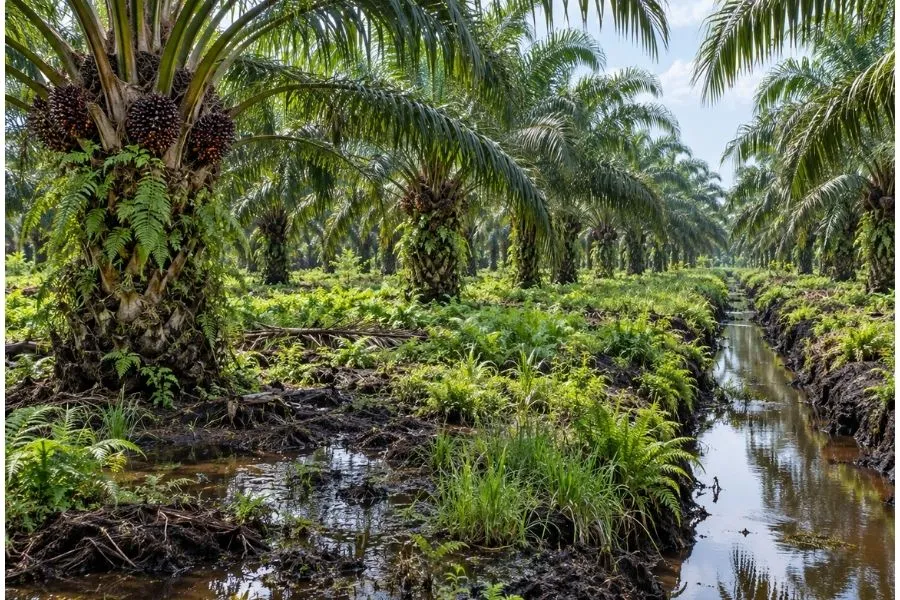
Behind the vast global palm oil industry, there are millions of smallholders who play a crucial role in providing raw materials for the food, energy, and various derivative product industries. However, their contribution to production has not been fully matched by involvement in sustainability certification systems. This condition highlights a gap between the role of smallholders in the global supply chain and their ability to meet the standards increasingly required by international markets.
According to the Palm Oil Barometer report published by Solidaridad (2022), more than three million smallholders contribute approximately 30% of the world's palm oil production, but their contribution to the supply of certified sustainable palm oil at that time had not reached 2%. This gap was again highlighted by the Center for World Trade Studies at Universitas Gadjah Mada (UGM) during an international forum in Bangkok in October 2026. However, the 2% figure is a historical snapshot and cannot be directly used as a measure of the latest certification coverage.
Data from the Roundtable on Sustainable Palm Oil (RSPO) shows more recent developments. As of January 2025, 174,807 smallholders have been RSPO certified, covering approximately 375,000 hectares of land. The estimated production of certified palm oil from this group reaches 1.30 million tons or 7.72% of the total global RSPO certified palm oil volume. Although using a different calculation basis, this data indicates that the involvement of smallholders in the certified market continues to grow, but still faces limitations.
The low participation in certification does not necessarily indicate that smallholders engage in unsustainable plantation practices. Certification requires proof through land legality documents, business activity records, the application of cultivation practices, and periodic audits. For farmers with limited capital, administrative capabilities, and access to assistance, meeting these requirements can be a significant obstacle.
This issue becomes increasingly relevant as international markets heighten demands for traceability and proof of being deforestation-free. Farmers who do not have adequate documents or information about the location of their plantations may face difficulties entering certain supply chains, even though their harvests can still be marketed through other trade channels. Thus, sustainability demands aimed at improving environmental governance also risk widening market access gaps if not accompanied by support for smallholders.
On the other hand, certification also has economic consequences. Farmers need to allocate time and resources to meet the requirements, while the benefits in the form of higher selling prices or broader buyer access are not necessarily obtained directly. Therefore, the success of certification is not sufficiently measured by the number of certificates issued, but also by the economic benefits received by farmers after the process is carried out.
Strengthening cooperatives and farmer institutions is one approach to overcoming these obstacles. Through joint institutions, farmers can receive assistance, consolidate production, and share the costs of meeting requirements. However, support from the government, purchasing companies, and financial institutions is still needed so that the responsibility for meeting standards is not solely borne by the farmers.
The significant contribution of smallholders shows that the sustainability of the global palm oil industry cannot be separated from their involvement. Therefore, the expansion of certification needs to be accompanied by increased access to assistance, financing, and certainty of economic benefits. With this approach, certification not only becomes a trade requirement but also provides opportunities for smallholders to maintain and expand market access.