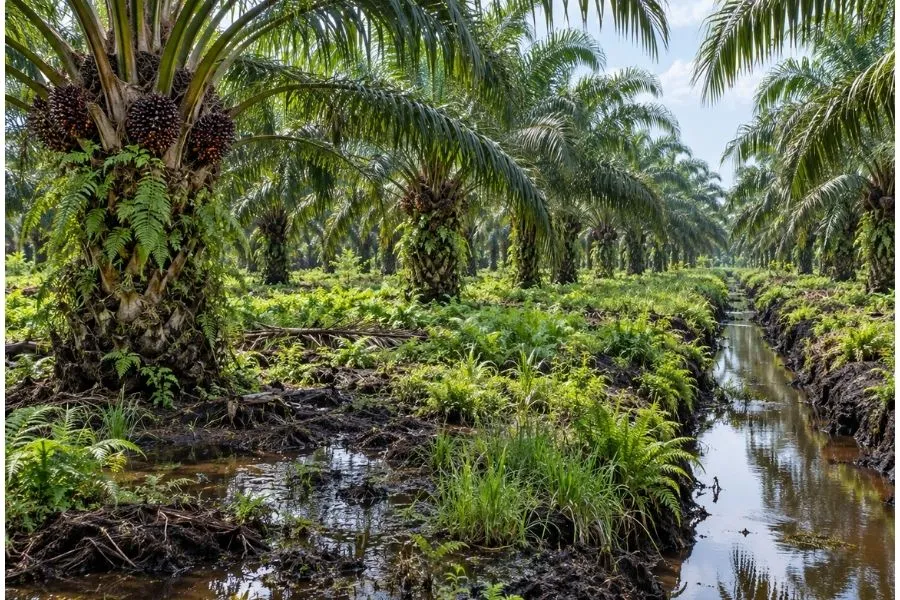
Red Palm Oil: Nutrient-Rich Downstreaming for Smallholders
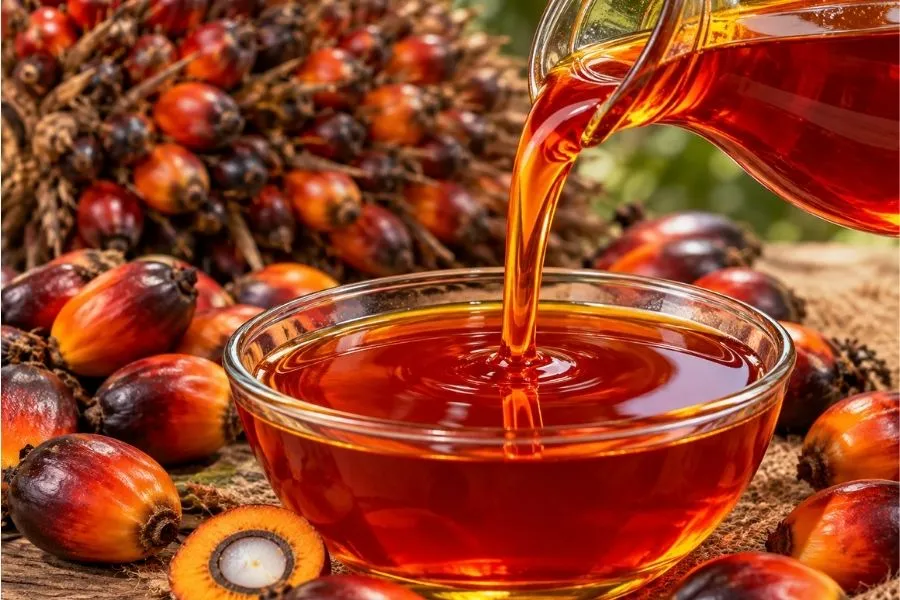
Red palm oil is gaining attention because it offers two simultaneous values: nutritional value and economic value. Unlike palm oil that has undergone intensive refining processes, red palm oil is processed while retaining some natural compounds, especially provitamin A carotenoids and vitamin E. Therefore, this product is often discussed as a functional food with the potential to support nutritional improvement, while also opening up downstream opportunities closer to smallholder oil palm growers.
This idea is discussed in an article titled From Fresh Fruit Bunches to Better Nutrition: Red Palm Oil as a Nutrition-Sensitive Pathway for Inclusive and Sustainable Smallholder Downstreaming in Rural Indonesia written by Loso Judijanto and published in the journal Letters in Economic Research Updates, Volume 2, Issue 3, in 2026. The article positions red palm oil as a development opportunity because it can connect the palm oil value chain, community nutrition, and rural economy.
In this study, red palm oil is understood not only as a palm oil derivative product but as a downstream pathway with potentially more inclusivity. Until now, many smallholders remain upstream as sellers of fresh fruit bunches (FFB). Through red palm oil processing, smallholders have the opportunity to enter the processing stage, product differentiation, packaging, brand formation, and capture greater added value. However, this opportunity cannot proceed merely by providing raw materials. The article emphasizes the importance of collective action, professional cooperative governance, processing technology, food safety, working capital, market development, and traceability.
From a nutritional perspective, red palm oil has potential as a source of provitamin A and other bioactive compounds. Scientific evidence reviewed shows that the strongest benefits are related to increased exposure to provitamin A carotenoids. Some other findings also begin to point to aspects of hematology, prevention of xerophthalmia, intestinal parasite reinfection, and gut microbiota. However, the article also provides an important caveat: red palm oil should not be positioned as a single solution for stunting or chronic diseases. This product is more appropriately seen as part of a nutritious food approach that needs to be supported by evidence-based programs.
For Indonesia, the relevance of red palm oil lies in its ability to align downstream agendas, strengthen smallholders, and improve nutrition. If developed through cooperatives or business clusters managed professionally, red palm oil can become an example of smallholder palm oil downstreaming that not only pursues economic value but also social benefits. However, its success still depends on quality standards, distribution permits, consumer education, viable business models, as well as supply assurance and sustainability.
The article recommends a phased approach through pilot clusters, evidence-based nutrition programs, cooperative ownership, professional management, blended financing, sustainability safeguards, and multidimensional monitoring. With this approach, red palm oil can be positioned as part of a more inclusive, village-based palm oil downstreaming strategy that is relevant to community needs.