IPOSS Strengthens Indonesia's Technical Diplomacy in Global SAF Development
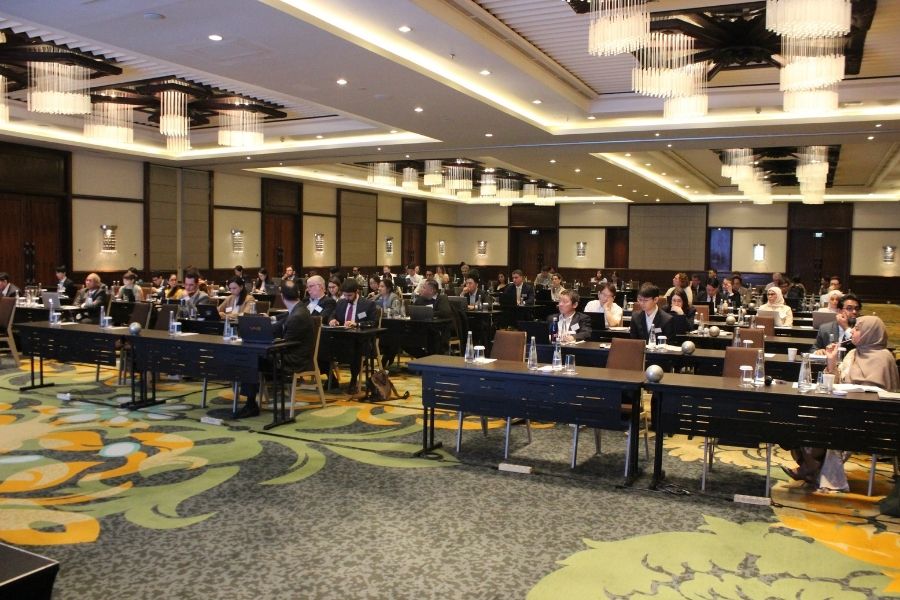
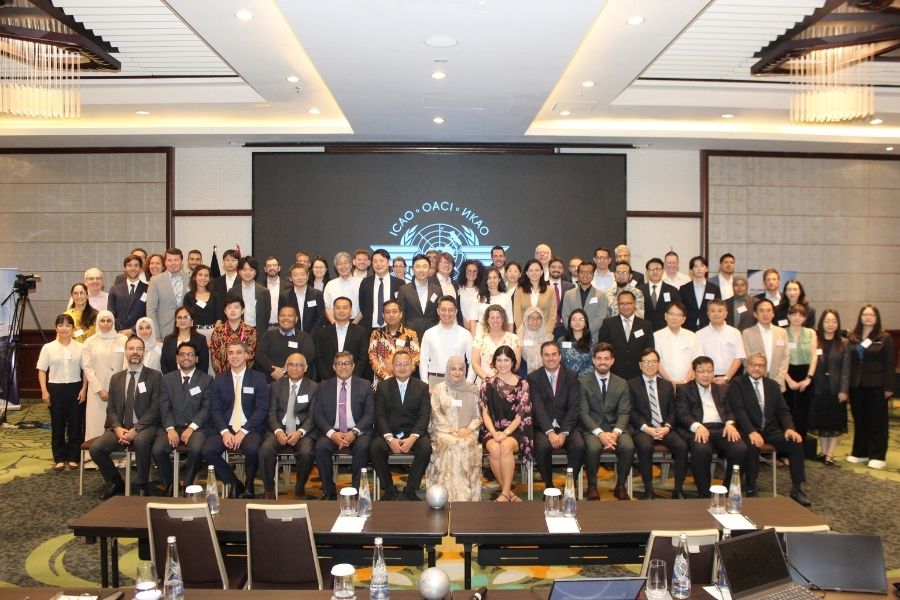
Indonesia hosted The Fourth Meeting of ICAO Committee on Aviation Environmental Protection Working Group 5 or CAEP WG5/4, which took place at the Sheraton Bali Kuta Resort from July 6–10, 2026. This meeting, part of the 14th CAEP work cycle, was attended by approximately 130 experts related to aviation fuel from various countries, both in person and online. For Indonesia, this forum is not merely an international agenda but a strategic space to ensure that national potential is considered in the formulation of global Sustainable Aviation Fuel or SAF governance.
In this agenda, Indonesia Palm Oil Strategic Studies or IPOSS played a role as an expert partner supporting the Ministry of Transportation, specifically the Directorate General of Civil Aviation. IPOSS's support focused on providing analysis, data, and scientific arguments necessary for Indonesia to credibly present its interests in the ICAO technical forum.
One of the main contributions of IPOSS is the involvement of researchers in drafting a Working Paper on Induced Land Use Change or ILUC. This issue is important because the ILUC value is one of the components in calculating the life cycle emissions of SAF feedstocks within the CORSIA (Carbon Offsetting and Reduction Scheme for International Aviation) framework. This value can affect the magnitude of emission reductions as well as the competitiveness of a feedstock. ICAO itself places the refinement of the core life cycle assessment methodology and ILUC as part of WG5's work program.
Through the Working Paper, Indonesia emphasized that ILUC modeling must be conducted transparently, traceably, and involve feedstock-producing countries. Such involvement is necessary in the process of data verification, assumption review, sensitivity analysis, and understanding of models like GTAP-Bio and GLOBIOM. This approach is important to ensure that ILUC modeling does not become a “black box” that only produces final numbers without providing scientific testing space for producing countries.
IPOSS's contribution did not stop at drafting the substance. Dimas Haryo Pamungkas, a member of the IPOSS Research Team, directly presented the ILUC Working Paper at the CAEP WG5/4 forum. The presence of Indonesian experts in the technical discussion space strengthens the national position because the arguments presented are not only diplomatic but also supported by an understanding of the characteristics of the palm oil industry, land use dynamics, and data availability in Indonesia. Dimas Haryo Pamungkas is noted as part of the IPOSS research team with experience in managing and analyzing palm oil industry data.
IPOSS also provided expert support in the submission of Oil Palm Trunk or oil palm trunk as a potential SAF feedstock, conducted jointly by Indonesia and Japan. This submission is aimed at obtaining recognition of OPT as an agricultural residue originating from routine plantation replanting activities, excluding roots and fronds. This recognition is important to pave the way for OPT to enter the positive list of CORSIA feedstocks and be developed into SAF through the alcohol-to-jet pathway.
This role continues IPOSS's involvement in Indonesia's SAF diplomacy. Previously, IPOSS supported the process of submitting Palm Oil Mill Effluent or POME as a SAF feedstock through data collection, technical document preparation, and discussions in ICAO WG5. This process demonstrates that the acceptance of national feedstocks within the global framework requires a scientific foundation, data harmonization, and consistent diplomacy, as well as cooperation from all parties in Indonesia.
The meeting in Bali demonstrated that SAF development requires not only production capacity but also the ability to influence international standards. Through expert support to the Directorate General of Civil Aviation, IPOSS helps bridge palm oil industry knowledge with global aviation methodology needs. It is clear that collaboration between the government and various industry stakeholders is an important asset for Indonesia to not only be a supplier of raw materials but also to become a supplier of resource-based fuels domestically, and more importantly, to help shape SAF governance that is transparent, inclusive, credible, and based on scientific evidence.
Photo: Secretariat of the Directorate General of Civil Aviation, Ministry of Transportation