Policy Briefs and Papers
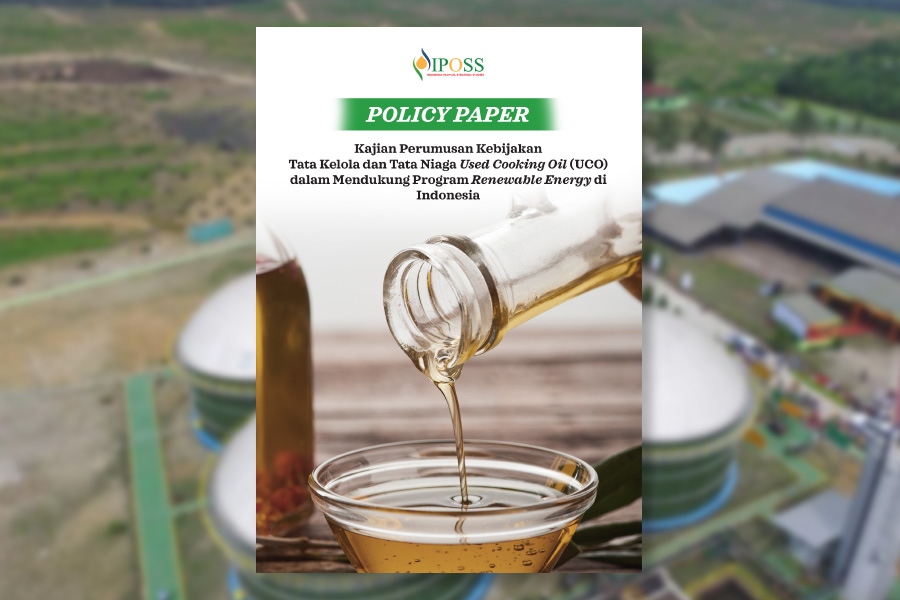
Governance and Trade of Used Cooking Oil (UCO) in Supporting Renewable Energy Program in Indonesia
Published September 18, 2025
635 views
Download IndonesianEnglish version not available yet
Used cooking oil (UCO) is waste from households and the food industry that poses a risk of environmental pollution and health hazards if not properly managed. However, UCO also has strategic economic value as a raw material for renewable energy such as biodiesel and Sustainable Aviation Fuel (SAF). With total national cooking oil consumption reaching 8.3 million kL per year, Indonesia has the potential to produce 3–4 million kL of UCO annually.
This study identifies that the lack of national regulations, low public awareness, limited collection infrastructure, and dependence on the export market are the main obstacles in UCO management and trade. Most people are unaware of UCO collection programs, lack access to easily reachable collection points, and there are no attractive incentive schemes for the public to collect UCO. Meanwhile, the UCO market is dominated by large exporters, creating an imbalance in the supply chain that makes it difficult to involve small players, such as households and SMEs.
In fact, if collected and managed systematically, UCO in Indonesia can become a strategic raw material for two major renewable energy sectors, namely biodiesel and Sustainable Aviation Fuel (SAF). The potential use of UCO can replace approximately 2.4 million kL of biodiesel based on Crude Palm Oil (CPO) per year or about 15.4% of the total national biodiesel demand. Additionally, UCO is increasingly recognized globally as a raw material for SAF, especially in Europe and developed countries that are accelerating the transition to low-carbon aviation. This opens up significant opportunities for Indonesia to develop a competitive domestic SAF industry, supported by abundant and affordable UCO supply.
Furthermore, investment in the downstream sector also needs to be encouraged with a collaborative approach between technical ministries and business actors, including through green financing. Strengthening the domestic UCO-based industry, both for biodiesel and SAF, will not only reduce Indonesia's dependence on fossil fuels and CPO but also strengthen the country's position on the global energy transition map.
Based on these findings, this study recommends the importance of national regulations that establish UCO classification and technical standards, as well as strengthening coordination across government levels to expand collection infrastructure and incentives for households. A transparent data and tracking system is also needed, along with the acceleration of UCO downstreaming into biodiesel and SAF, and support for green financing for business actors. Additionally, the positive involvement of all stakeholders through a collaborative pentahelix model is crucial to creating an inclusive, transparent, and sustainable UCO management ecosystem.
Download here
Read the report
More from Policy Briefs and Papers
Policy Briefs and Papers
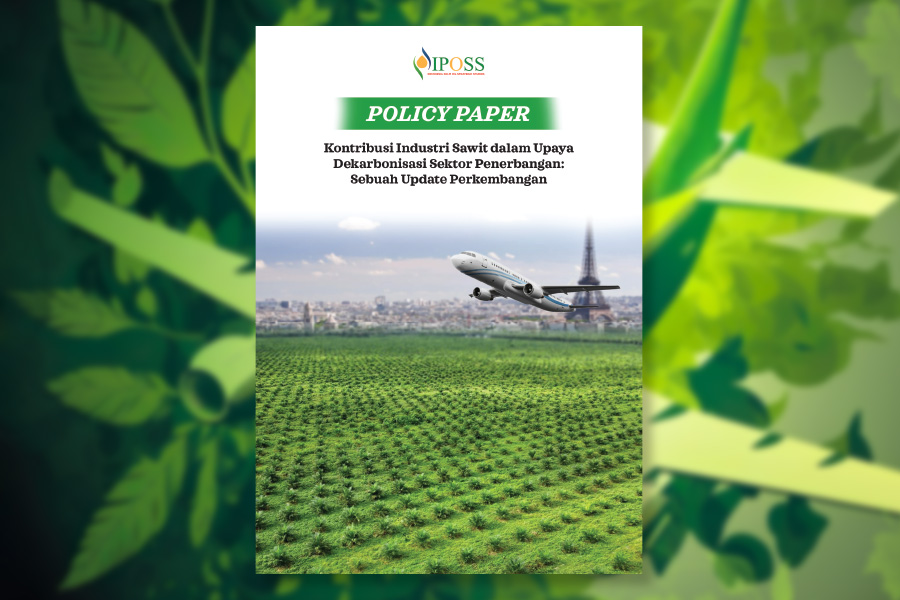
Contribution of the Palm Oil Industry in Decarbonization Efforts in the Aviation Sector: A Development Update
September 18, 2025
Policy Briefs and Papers
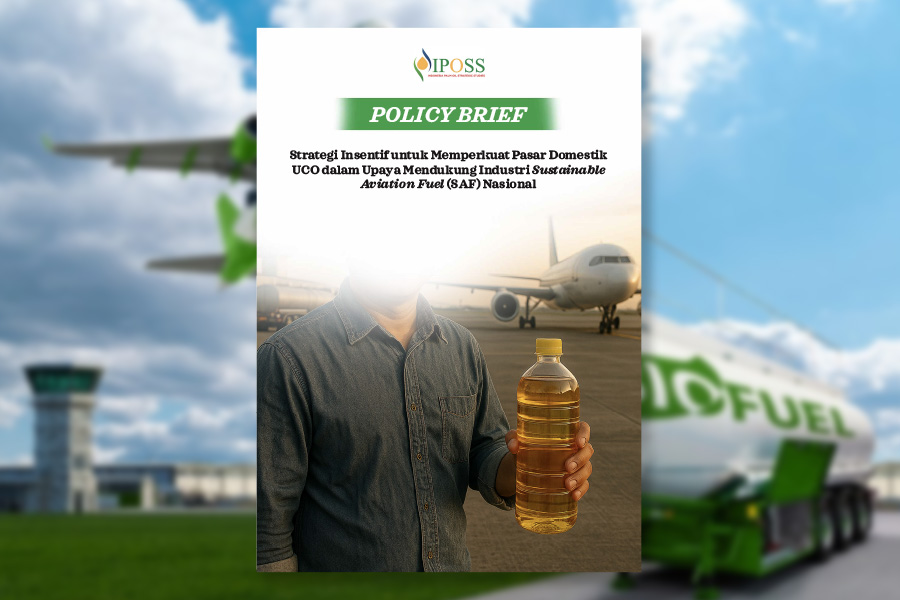
Incentive Strategy to Strengthen the Domestic UCO Market in Efforts to Support the National Sustainable Aviation Fuel (SAF) Industry
September 18, 2025
Policy Briefs and Papers
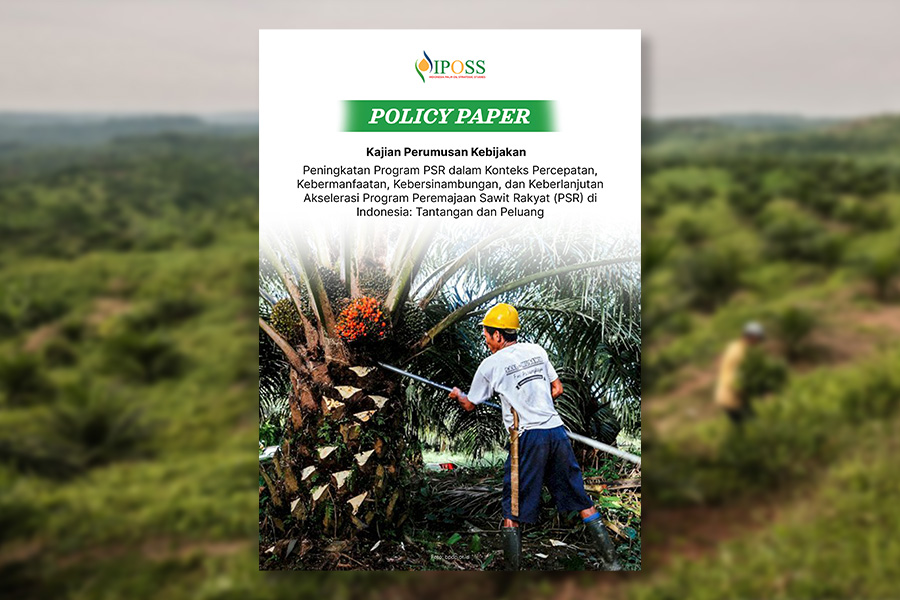
Akselerasi Program Peremajaan Sawit Rakyat (PSR) di Indonesia: Tantangan dan Peluang
September 18, 2025